
Strazik House in Mendoza design by González Olsina & Vega Arquitectos
Project: Strazik House in Mendoza
Location: The Vines of Mendoza, Los Chacayes, Tunuyán, Mendoza, Argentina
Architects: González Olsina & Vega Arquitectos
Client: Scott
Gross Area: 750 m2 | 8,073 Sq. Ft.
Project Years: 2022 – 2023
Other contributors: Arq. Cecilia Blanco, Arq. Nicolás Telechea, Arq. Bianca Brescia
Photographs: Luis Abba
Location: The Vines of Mendoza, Los Chacayes, Tunuyán, Mendoza, Argentina
Architects: González Olsina & Vega Arquitectos
Client: Scott
Gross Area: 750 m2 | 8,073 Sq. Ft.
Project Years: 2022 – 2023
Other contributors: Arq. Cecilia Blanco, Arq. Nicolás Telechea, Arq. Bianca Brescia
Photographs: Luis Abba
Landscape as Ordering System
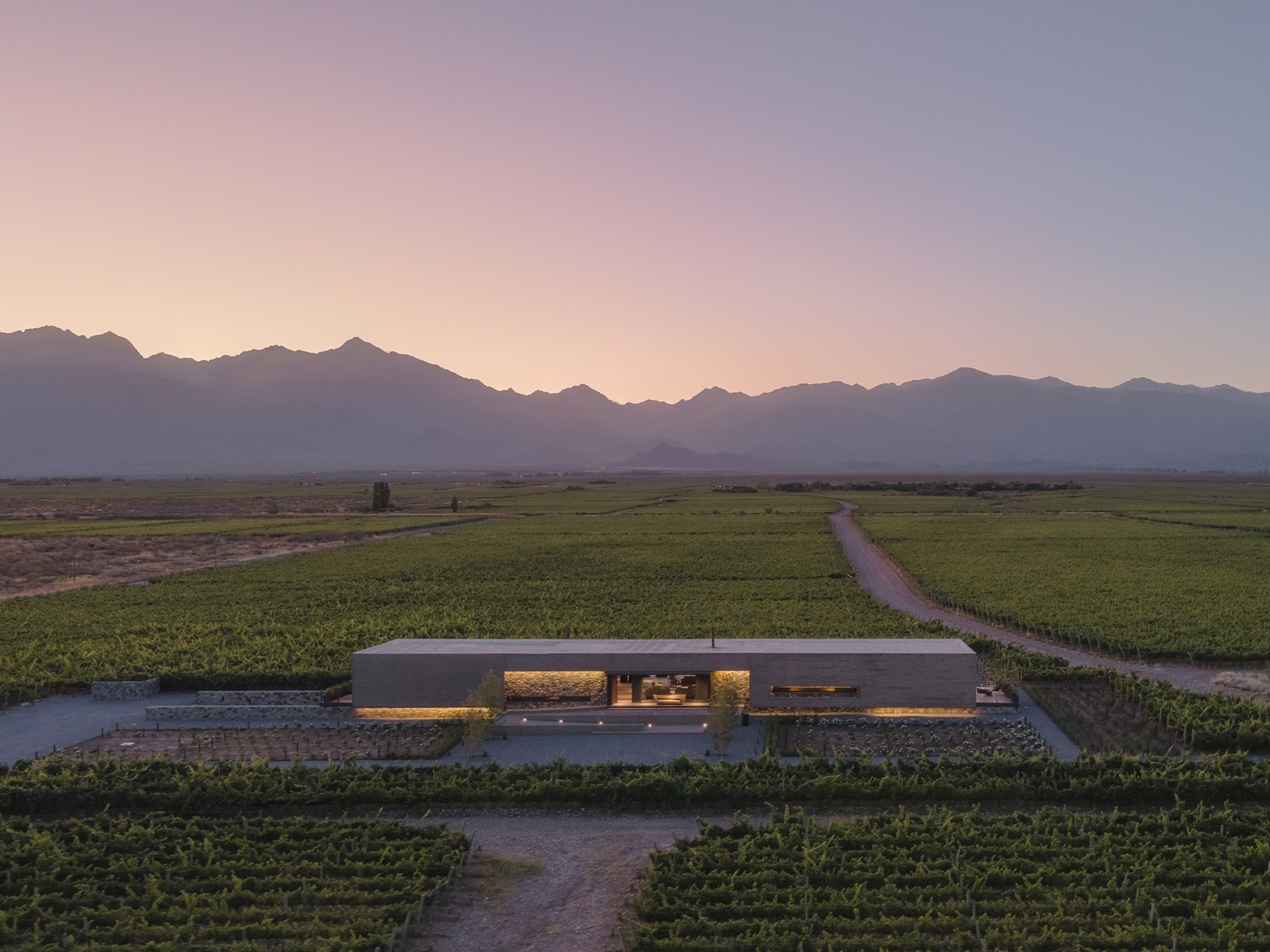
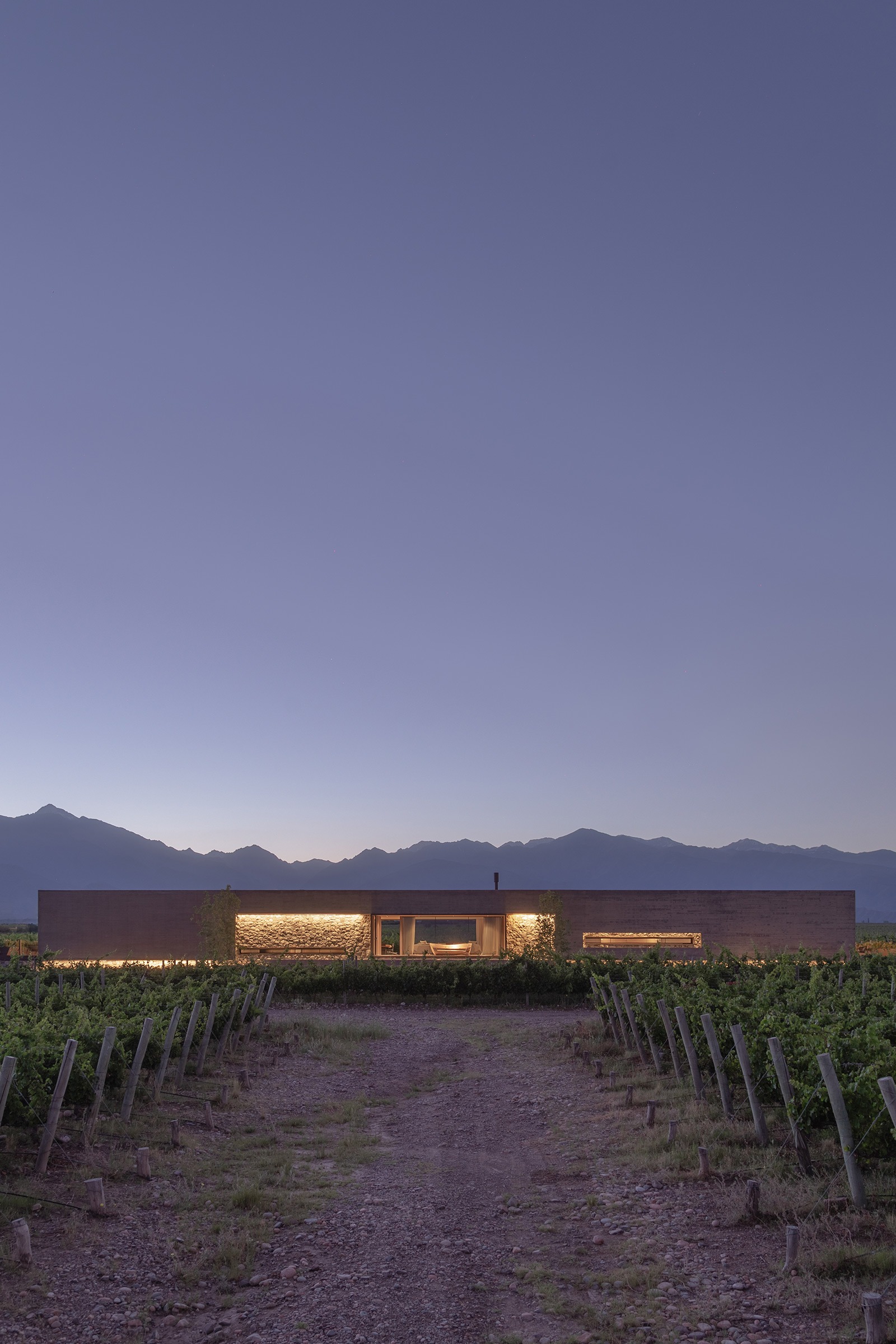
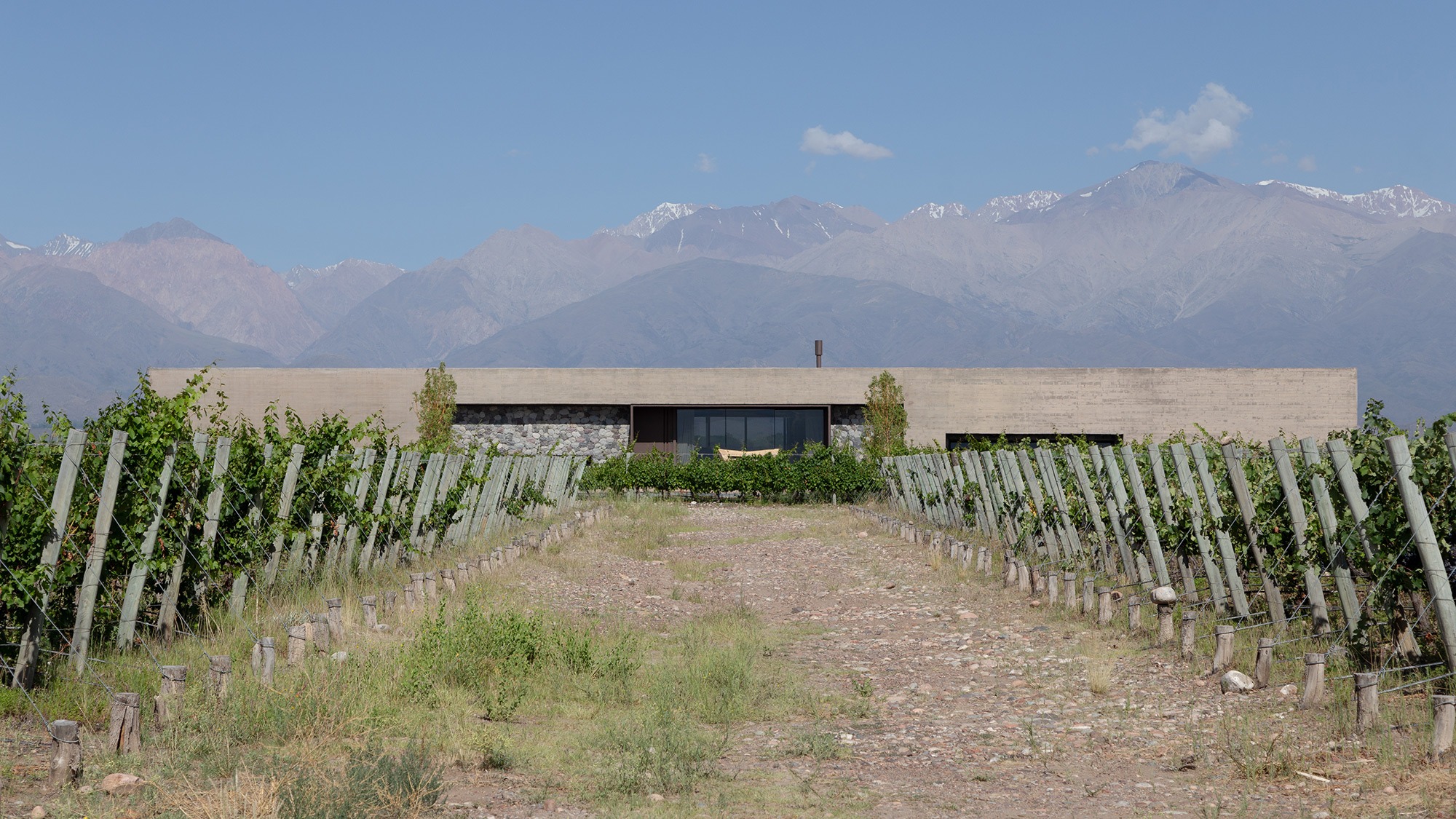
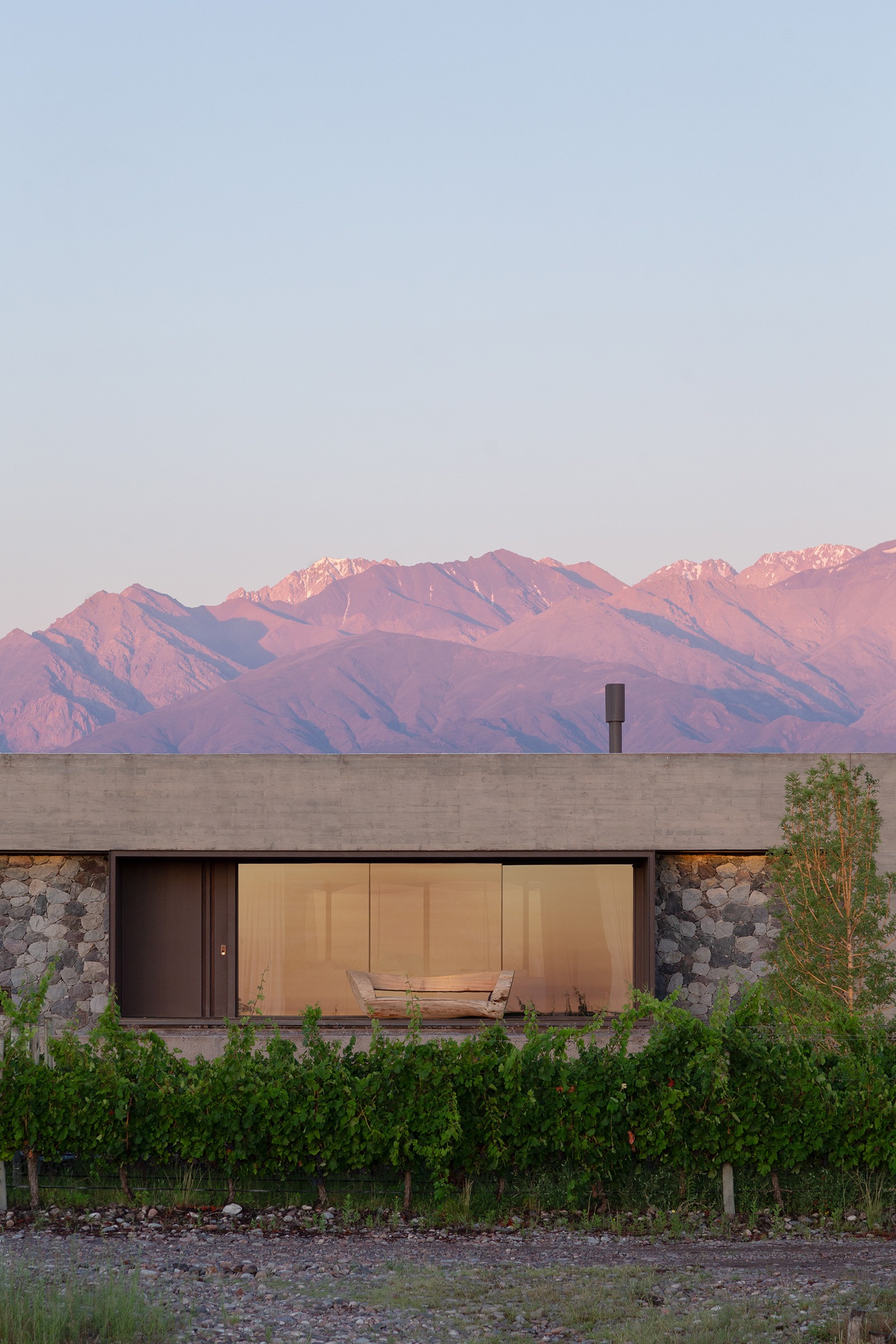
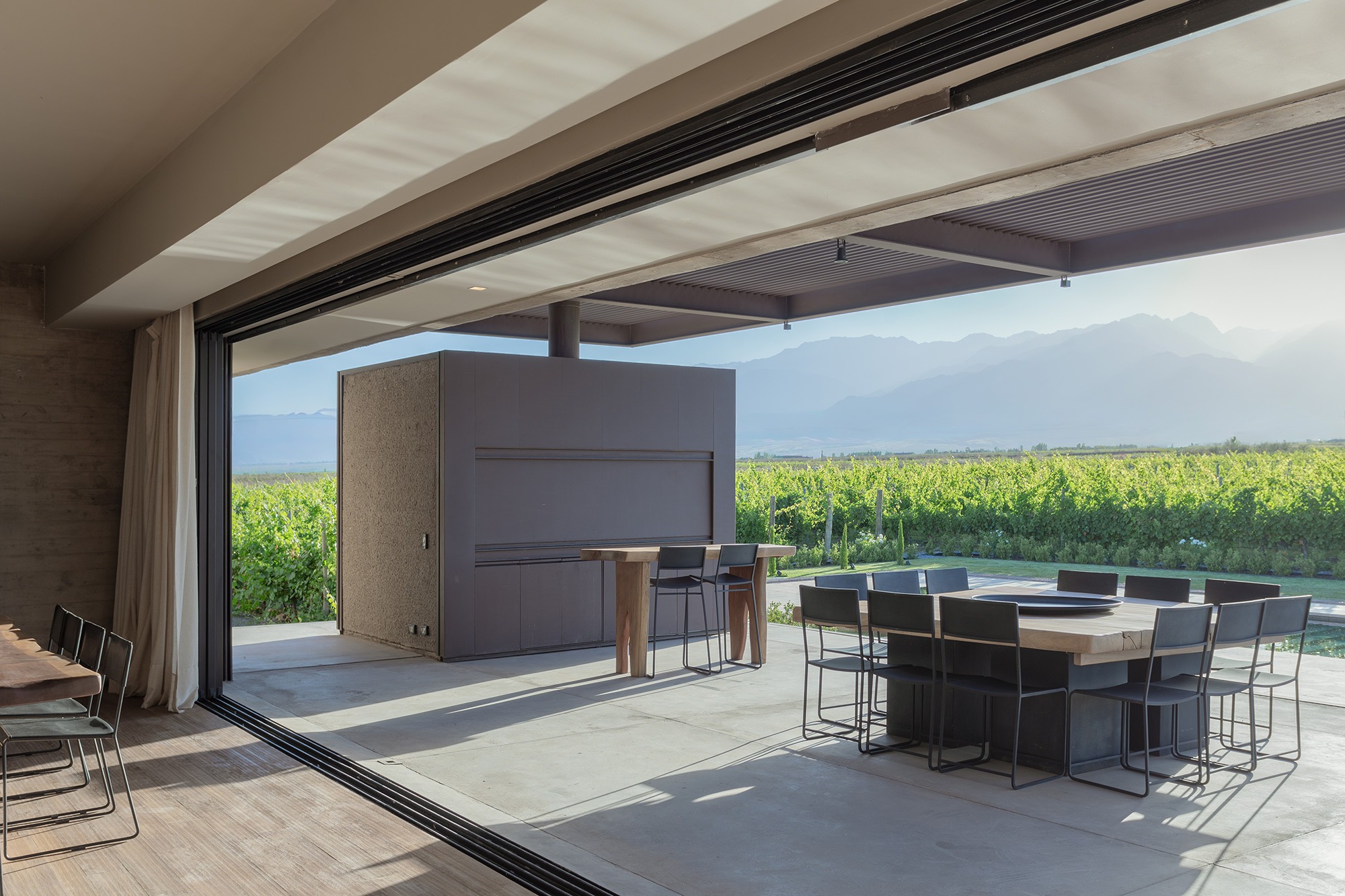
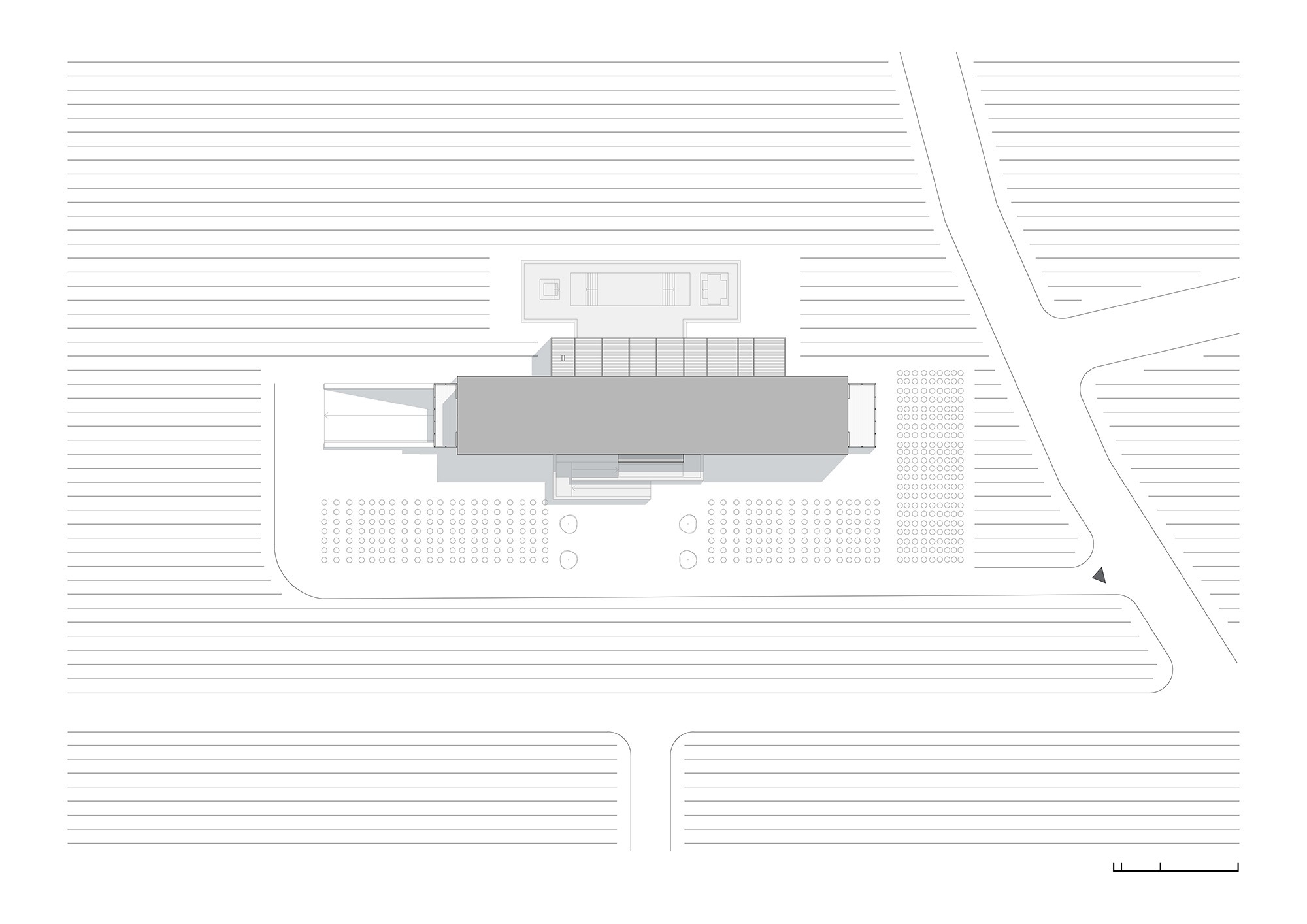
The site in Los Chacayes is defined by two dominant horizontals: the regimented rows of vineyards in the foreground and the expansive silhouette of the Andes beyond. Strazik House is positioned within this territorial field as an architectural response that neither competes with nor frames the landscape, but instead adopts its underlying order as a generative system.
The building takes the form of an elongated figure aligned parallel to the mountain range. This gesture translates the immensity and stillness of the Uco Valley into a precise architectural datum, transforming geography into an ordering device that governs orientation, proportion, and spatial continuity.
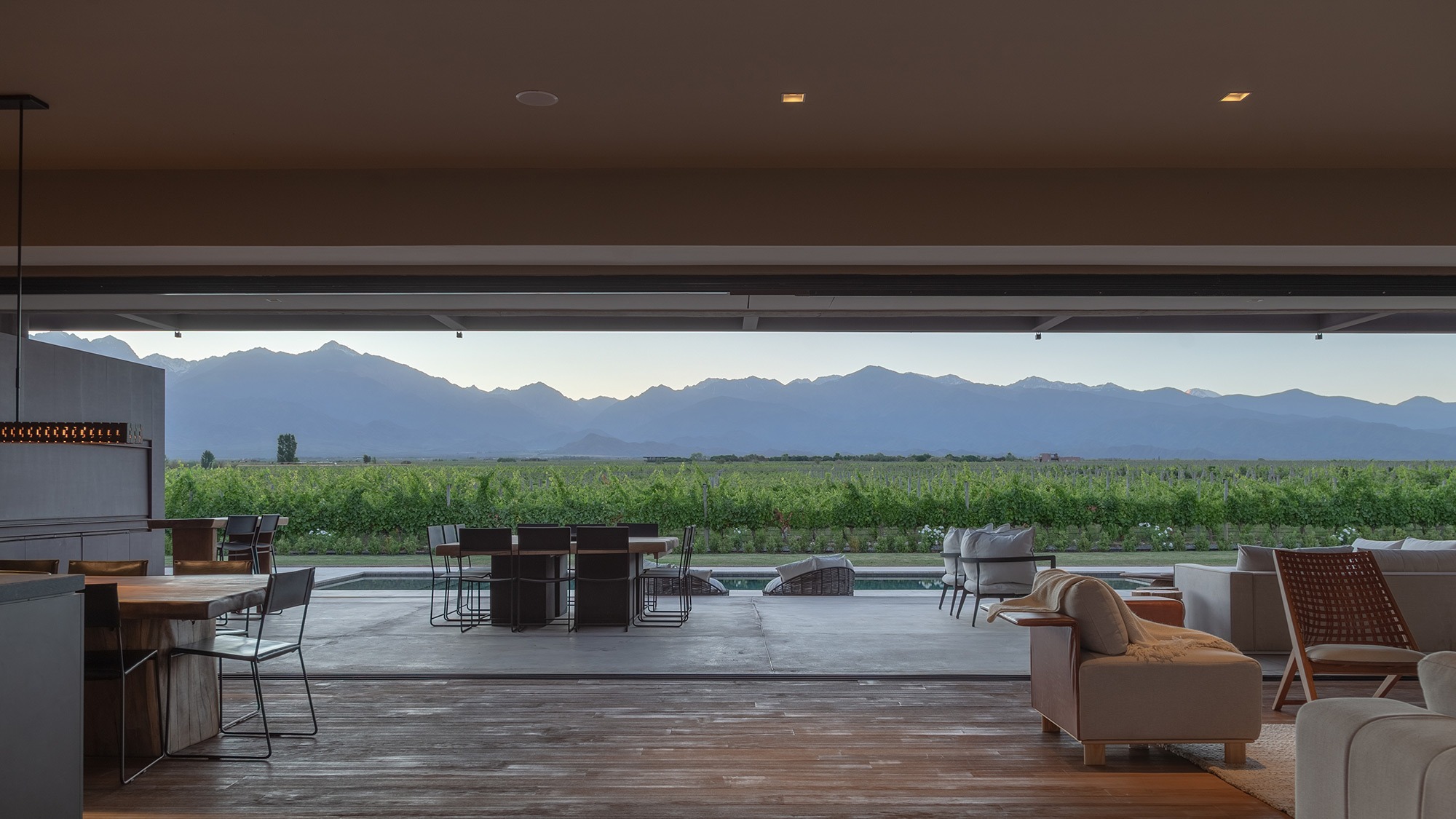
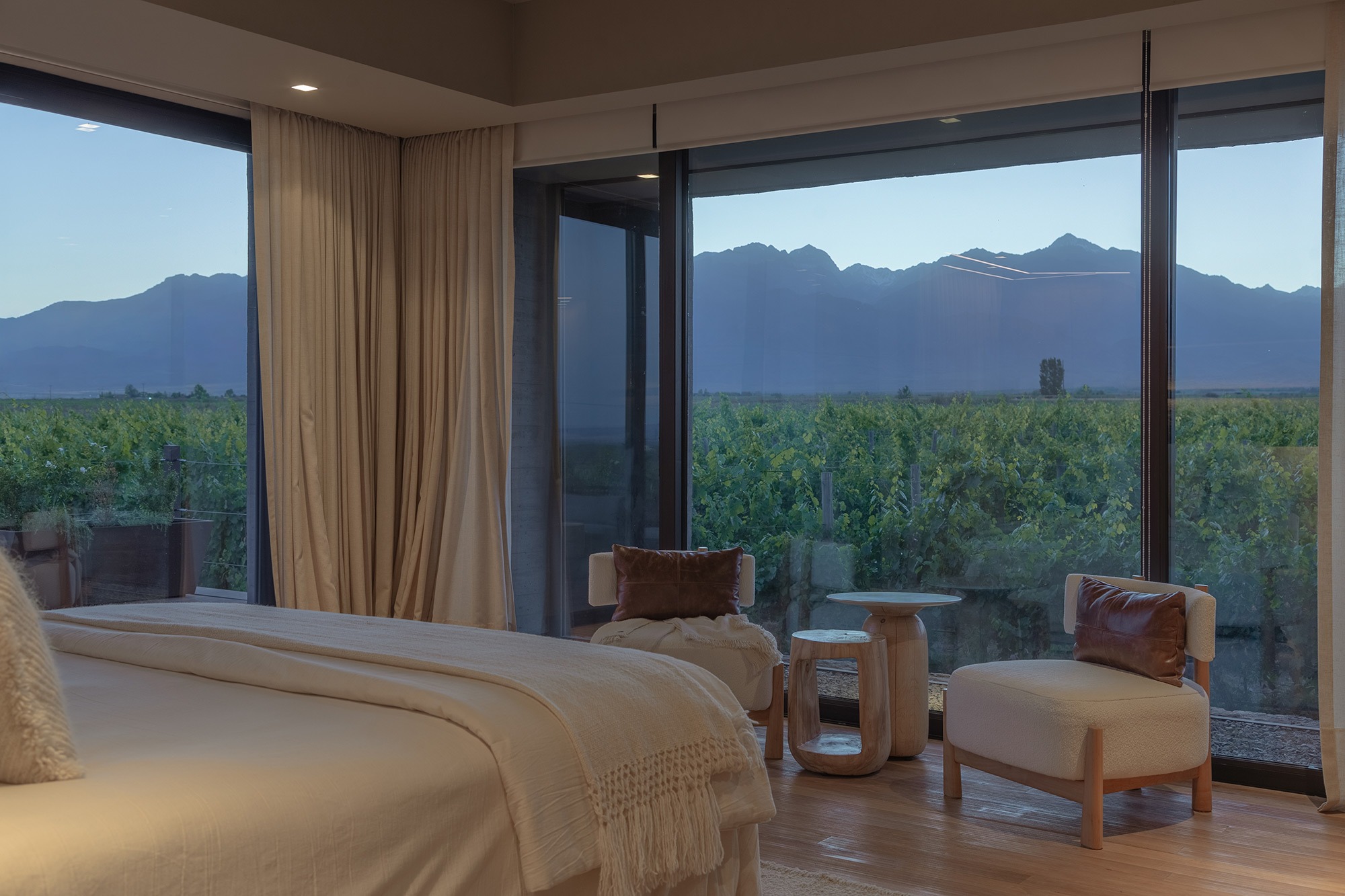
Rather than producing a sequence of isolated vistas, the house establishes a constant dialogue with its surroundings. Every space participates in the same horizon, reinforcing landscape as an ever-present condition rather than a backdrop selectively revealed.
Programmatic Linearity and Spatial Sequence
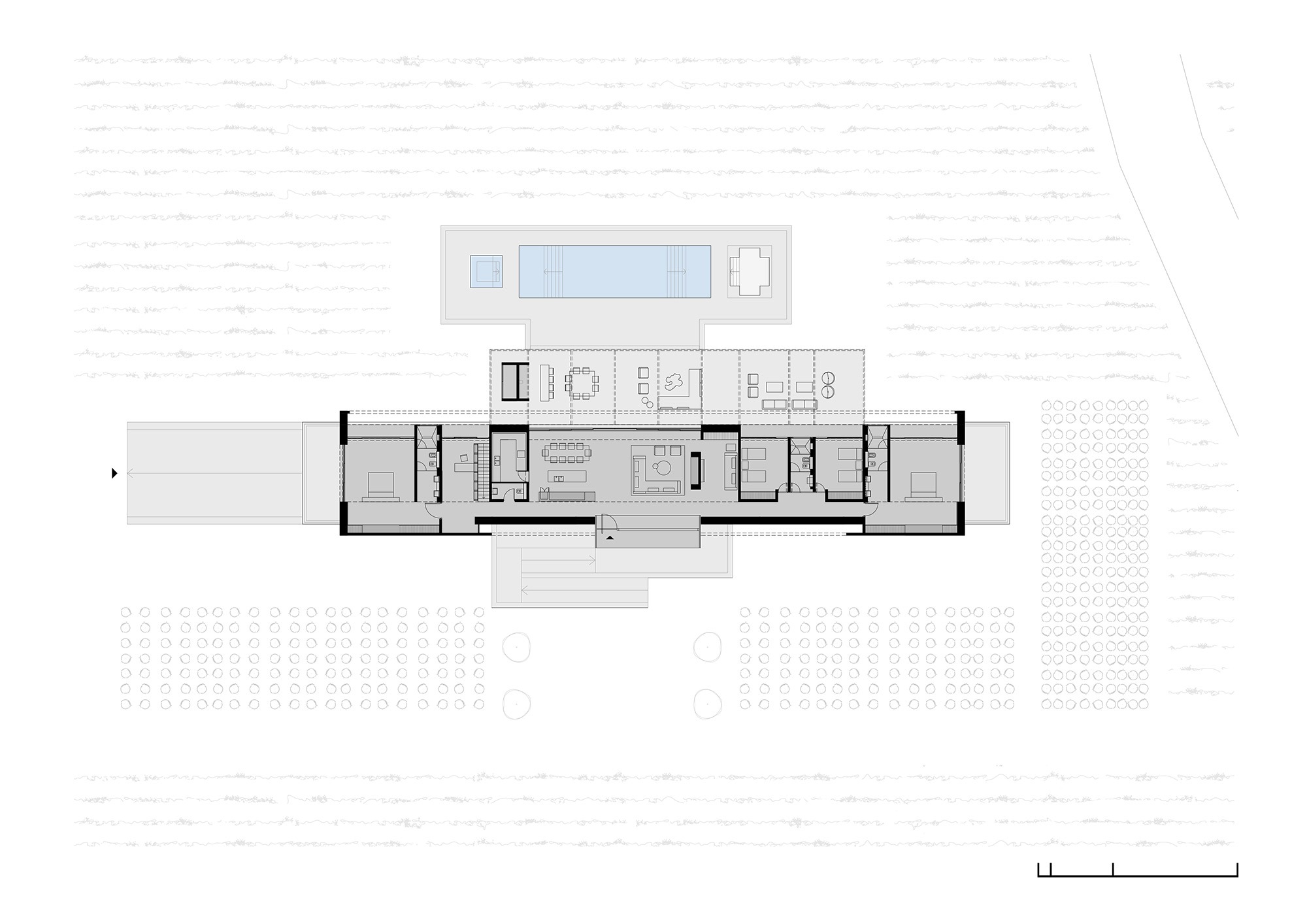
The domestic program is organized along a singular longitudinal axis, with circulation running consistently along the eastern side of the volume. From this linear spine, living spaces, bedrooms, and work areas open transversely toward the west, maintaining a shared orientation toward the Andes.
The domestic program is organized along a singular longitudinal axis, with circulation running consistently along the eastern side of the volume. From this linear spine, living spaces, bedrooms, and work areas open transversely toward the west, maintaining a shared orientation toward the Andes.
This disposition avoids hierarchical zoning. Collective and private spaces hold equivalent spatial status, unified by their relationship to landscape rather than by functional precedence. The absence of formal emphasis allows daily activities to unfold within a continuous architectural field.
Movement through the house becomes a measured sequence, where spatial transitions correspond to subtle shifts in light, enclosure, and proximity to the exterior. Time is experienced through progression along the line, aligning bodily movement with the slow rhythms of the surrounding territory.
Platform, Threshold, and Ground Relationship
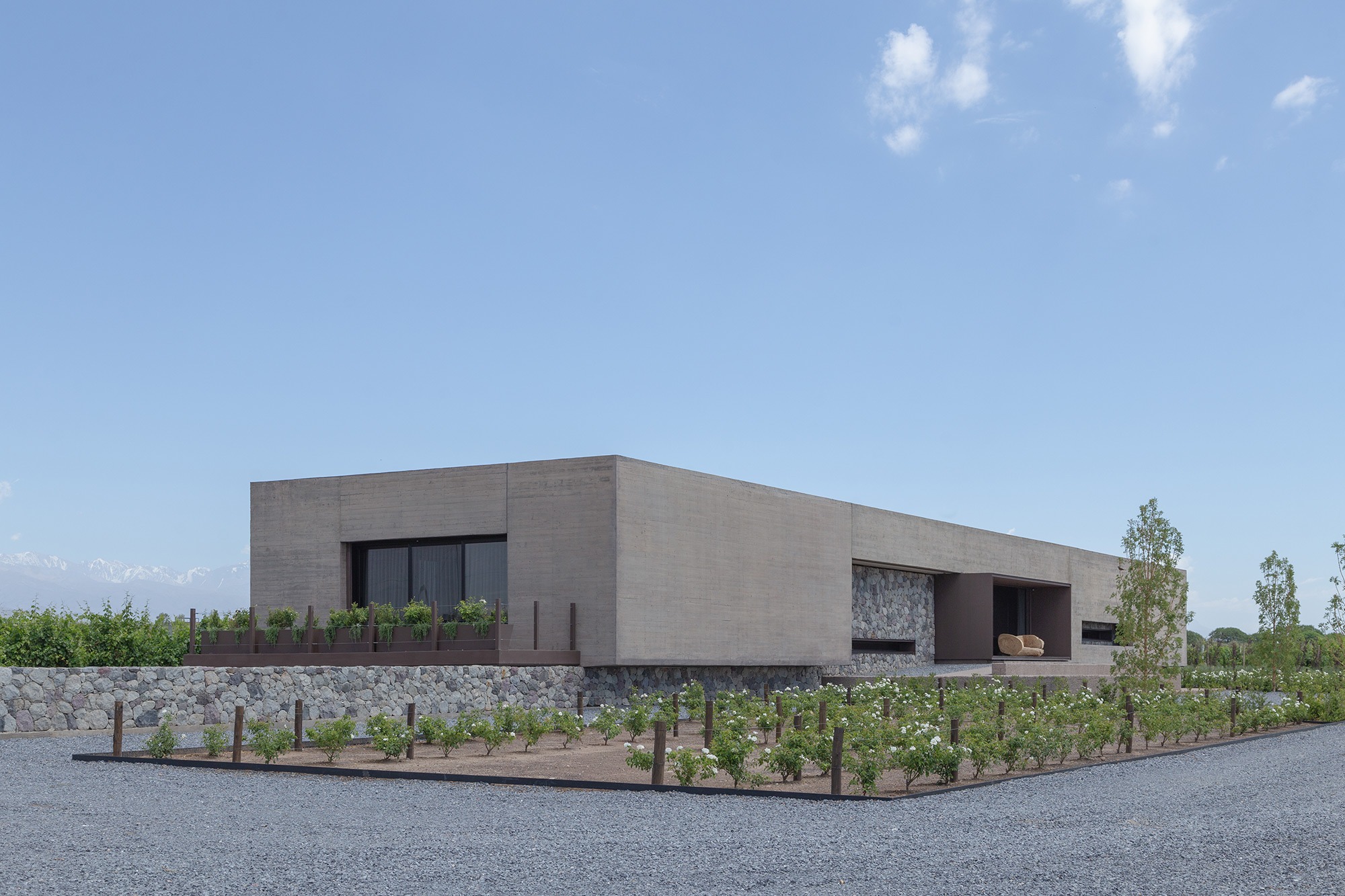
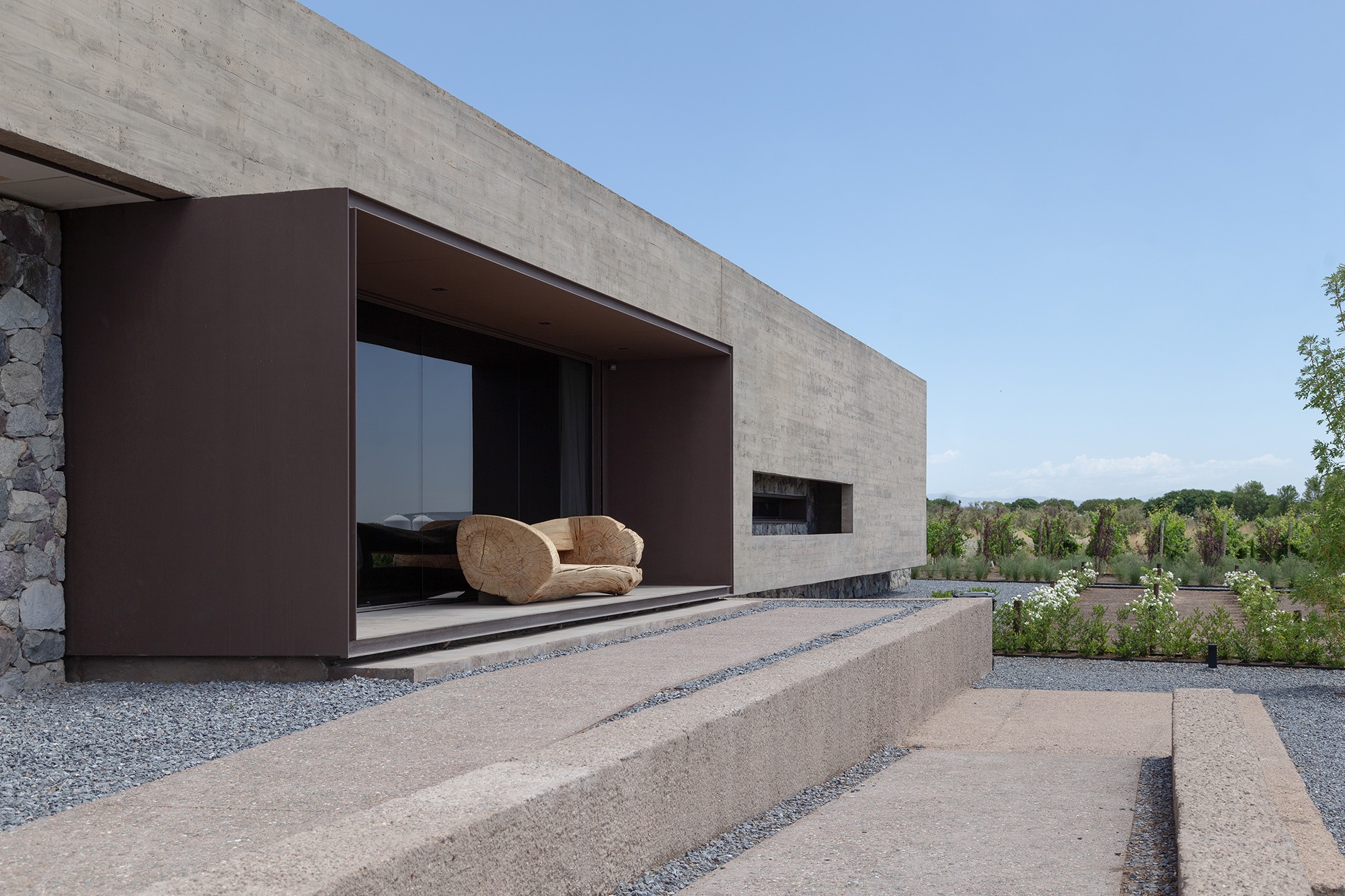
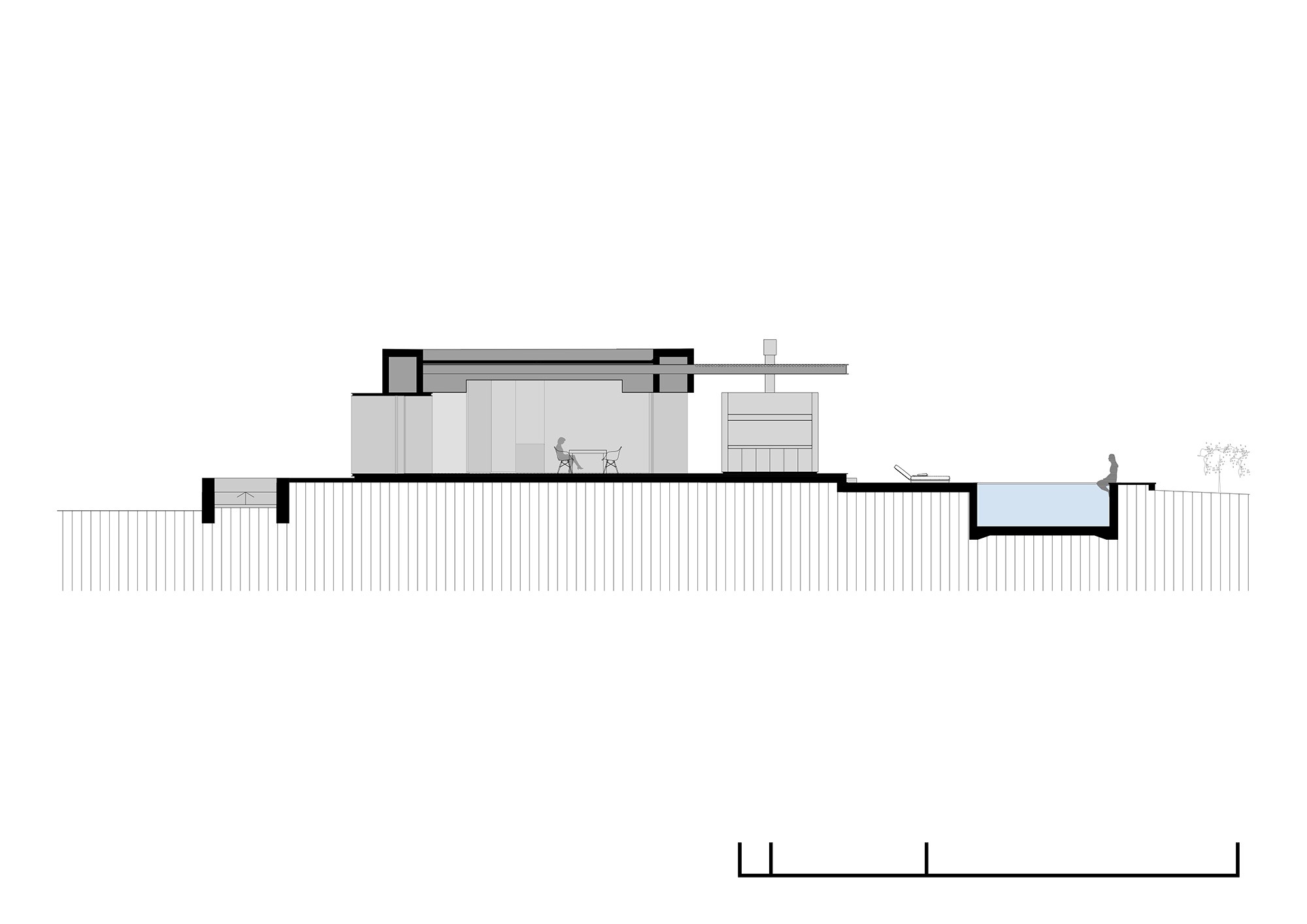
Functioning as both threshold and lookout, the platform lifts the visual field beyond the immediate foreground. The slight elevation aligns the inhabitant’s gaze with the distant mountain range, reinforcing the project’s emphasis on horizon rather than enclosure.
Functioning as both threshold and lookout, the platform lifts the visual field beyond the immediate foreground. The slight elevation aligns the inhabitant’s gaze with the distant mountain range, reinforcing the project’s emphasis on horizon rather than enclosure.
This strategy negotiates immersion and detachment. The house remains deeply embedded in the agricultural context while resisting full absorption, preserving a contemplative stance toward the land that surrounds it.
Material Tectonics and Architectural Expression
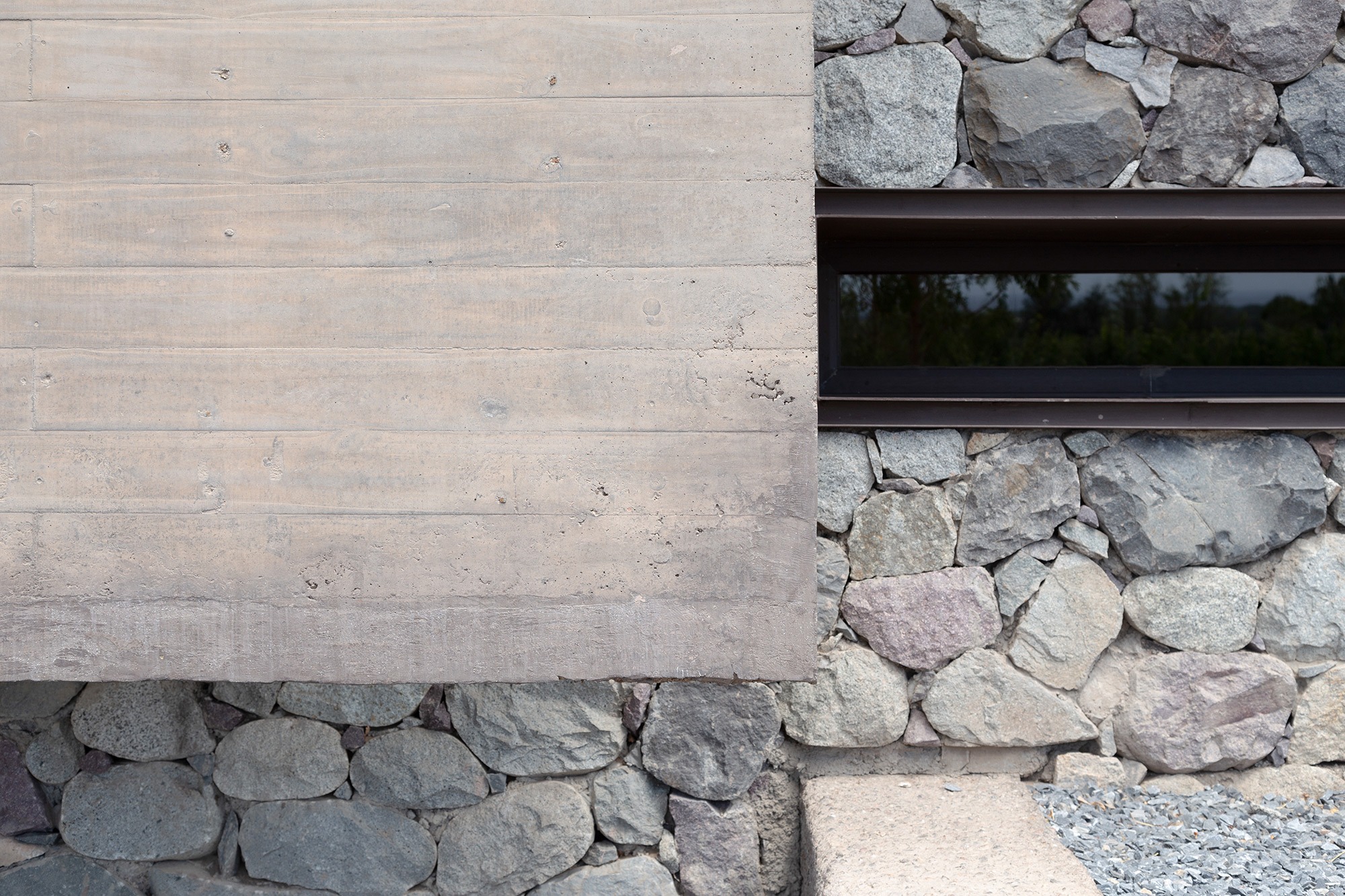
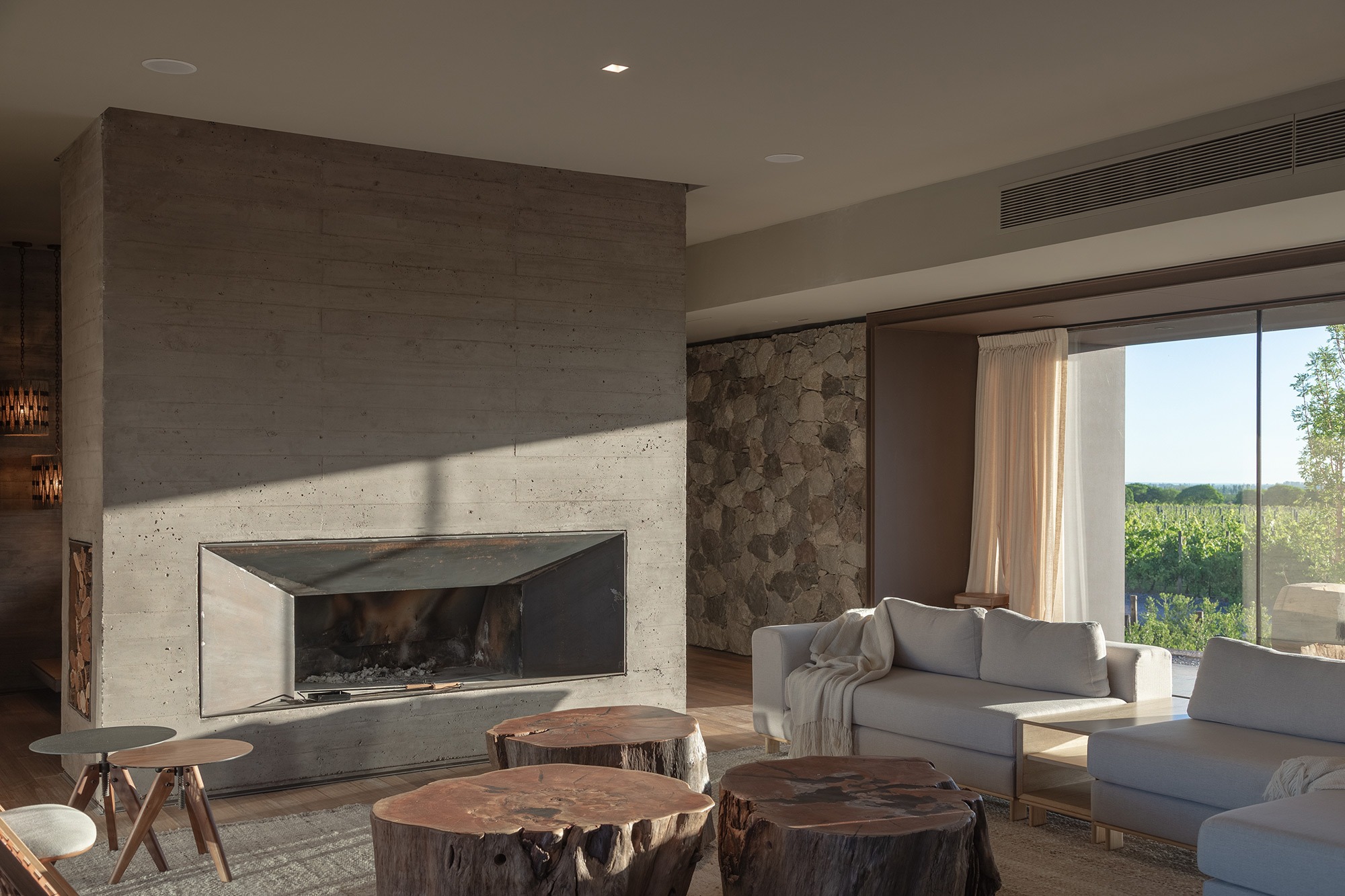
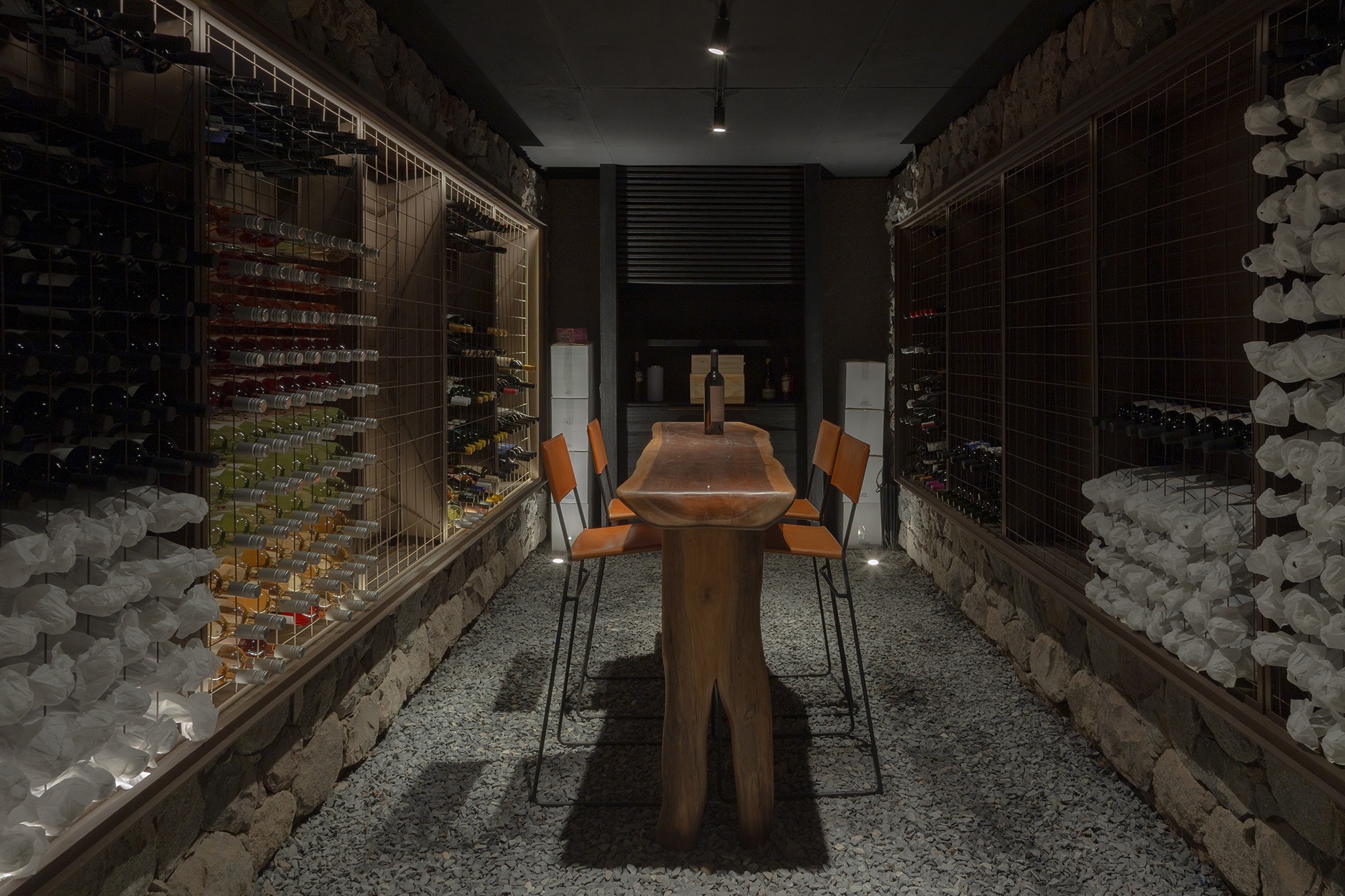
The material palette draws directly on the region’s geological character. Local stone and pigmented concrete are employed not as surface treatments but as tectonic elements that establish mass, weight, and permanence.
The material palette draws directly on the region’s geological character. Local stone and pigmented concrete are employed not as surface treatments but as tectonic elements that establish mass, weight, and permanence.
Concrete provides a continuous, subdued surface, lending calm and density to the architectural form. In contrast, the irregular texture of stone anchors the building to the site, reinforcing a shared mineral lineage with the Andes. Structure, enclosure, and finish converge into a singular material logic.
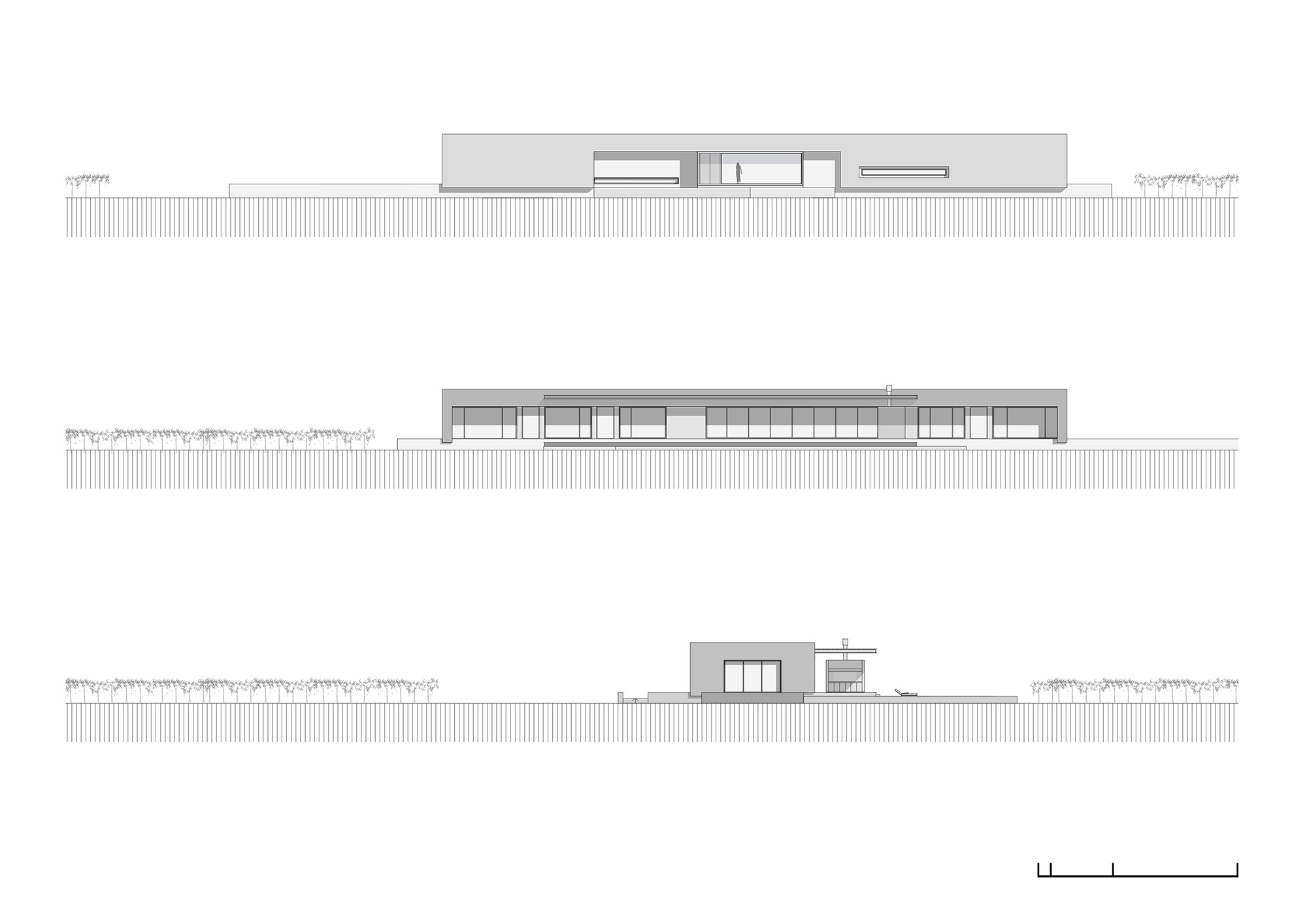
A careful balance between opacity and transparency modulates light and view, supporting an austere geometry guided by proportion. Through this restraint, the architecture achieves clarity without spectacle, asserting itself as a quiet extension of the land rather than a dominant object within it.
Source: González Olsina & Vega Arquitectos
m i l i m e t d e s i g n – w h e r e t h e c o n v e r g e n c e o f u n i q u e c r e a t i v e s
m i l i m e t d e s i g n – w h e r e t h e c o n v e r g e n c e o f u n i q u e c r e a t i v e s













Since 2009. Copyright © 2026 milimetdesign. All rights reserved. Contact: milimetdesign@milimet.com