
Pulitzer Arts Foundation Museum design by Tadao Ando Architect & Associates
Project: Pulitzer Arts Foundation Museum
Architects: Tadao Ando Architect & Associates
Location: 3716 Washington Boulevard, St. Louis, Missouri, United States
Gross Area: 2,500 m2 | 27,000 Sq. Ft.
Project Years: 1998 – 2015
Photographs: Flickr Users, See Caption Details
Structural Engineers: Guy Nordenson and Associates
MEP Consultants: AltieriSeborWeber
Landscape Designers: Reed Hilderbrand
Client: Pulitzer Arts Foundation
Construction Company: McCarthy Building Companies, Inc.
Other Contributors: Fisher Marantz Stone (Lighting Design)
Research References: “Tadao Ando: Light and Water” by Francesco Dal Co
Architects: Tadao Ando Architect & Associates
Location: 3716 Washington Boulevard, St. Louis, Missouri, United States
Gross Area: 2,500 m2 | 27,000 Sq. Ft.
Project Years: 1998 – 2015
Photographs: Flickr Users, See Caption Details
Structural Engineers: Guy Nordenson and Associates
MEP Consultants: AltieriSeborWeber
Landscape Designers: Reed Hilderbrand
Client: Pulitzer Arts Foundation
Construction Company: McCarthy Building Companies, Inc.
Other Contributors: Fisher Marantz Stone (Lighting Design)
Research References: “Tadao Ando: Light and Water” by Francesco Dal Co
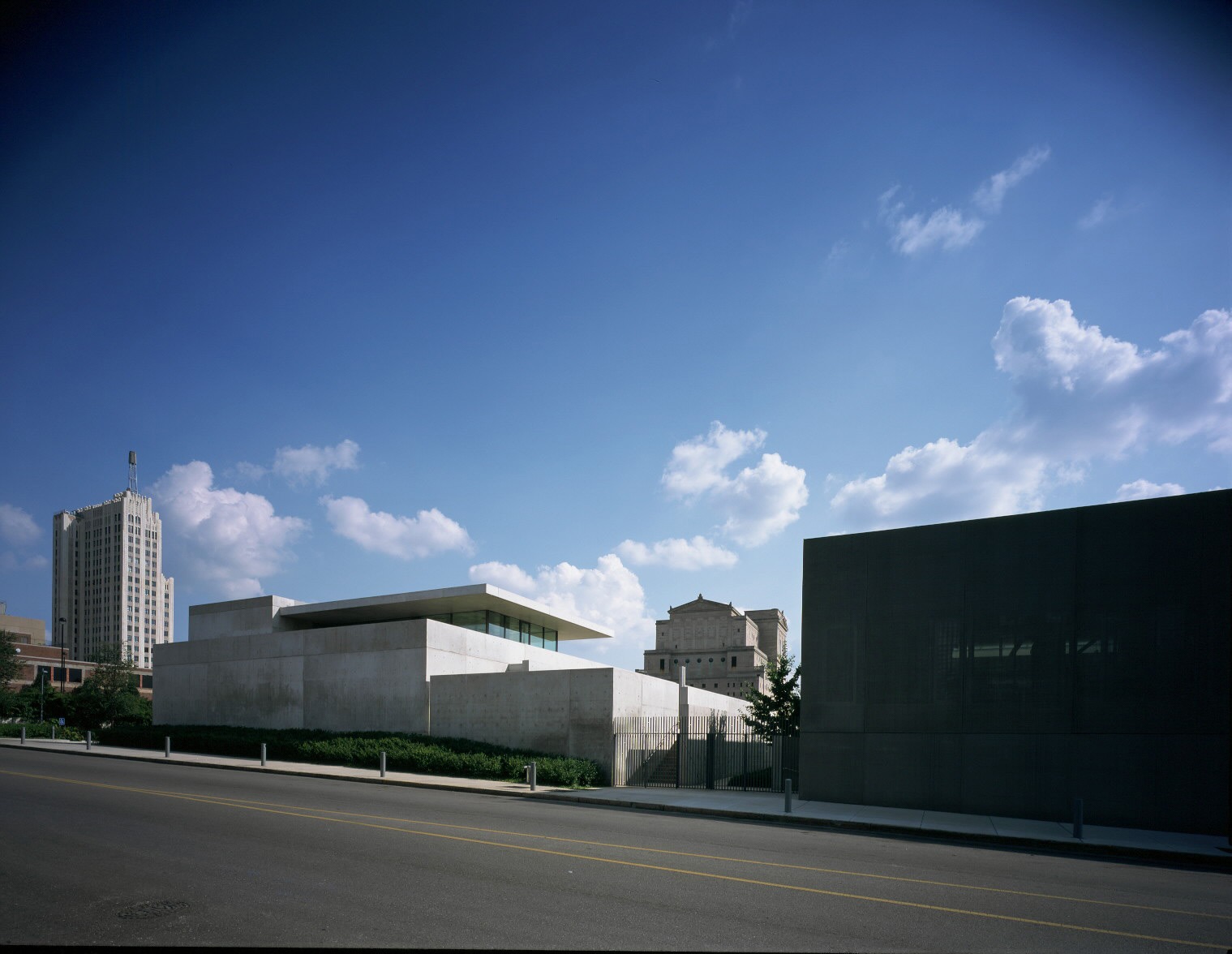
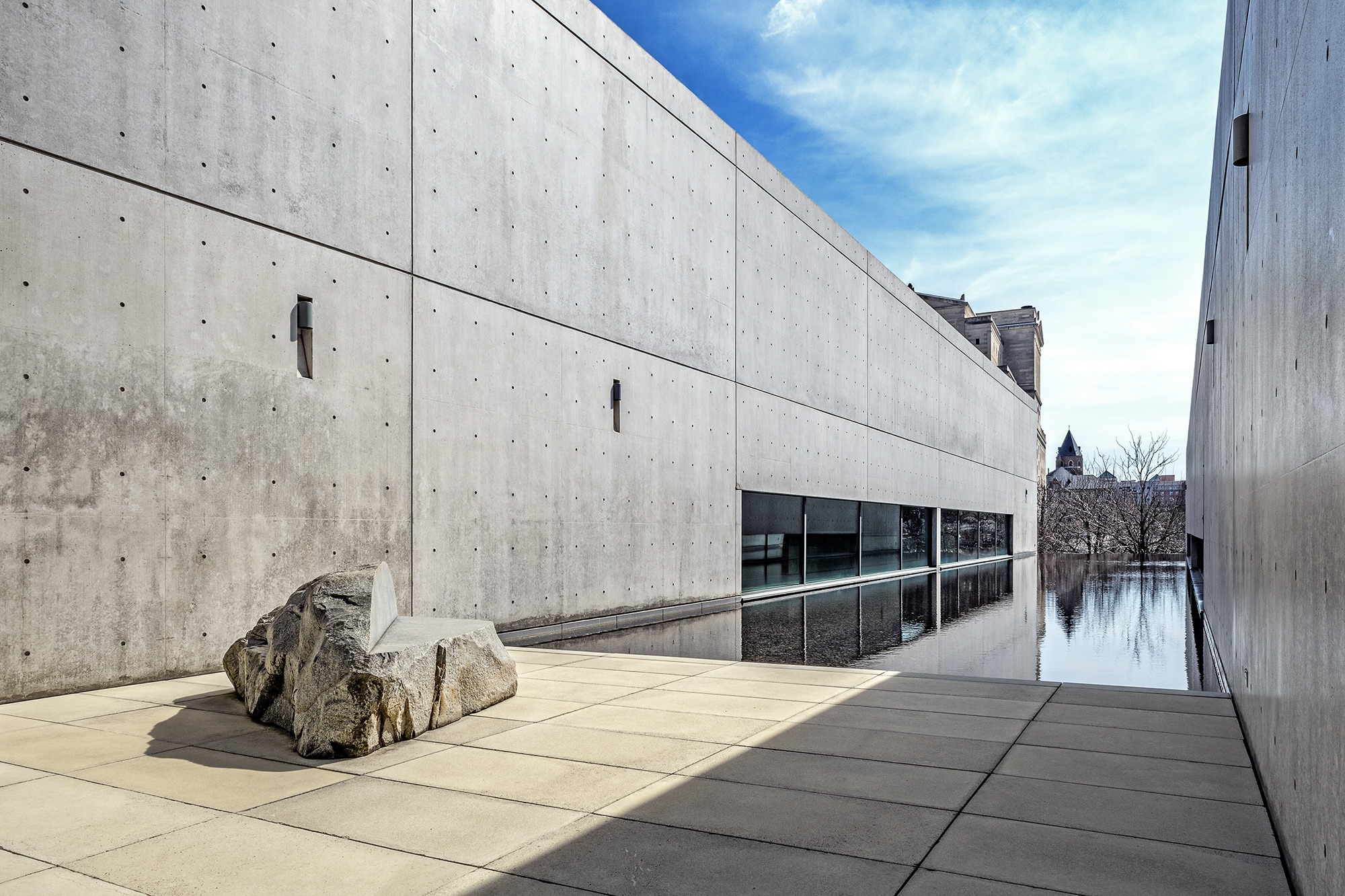
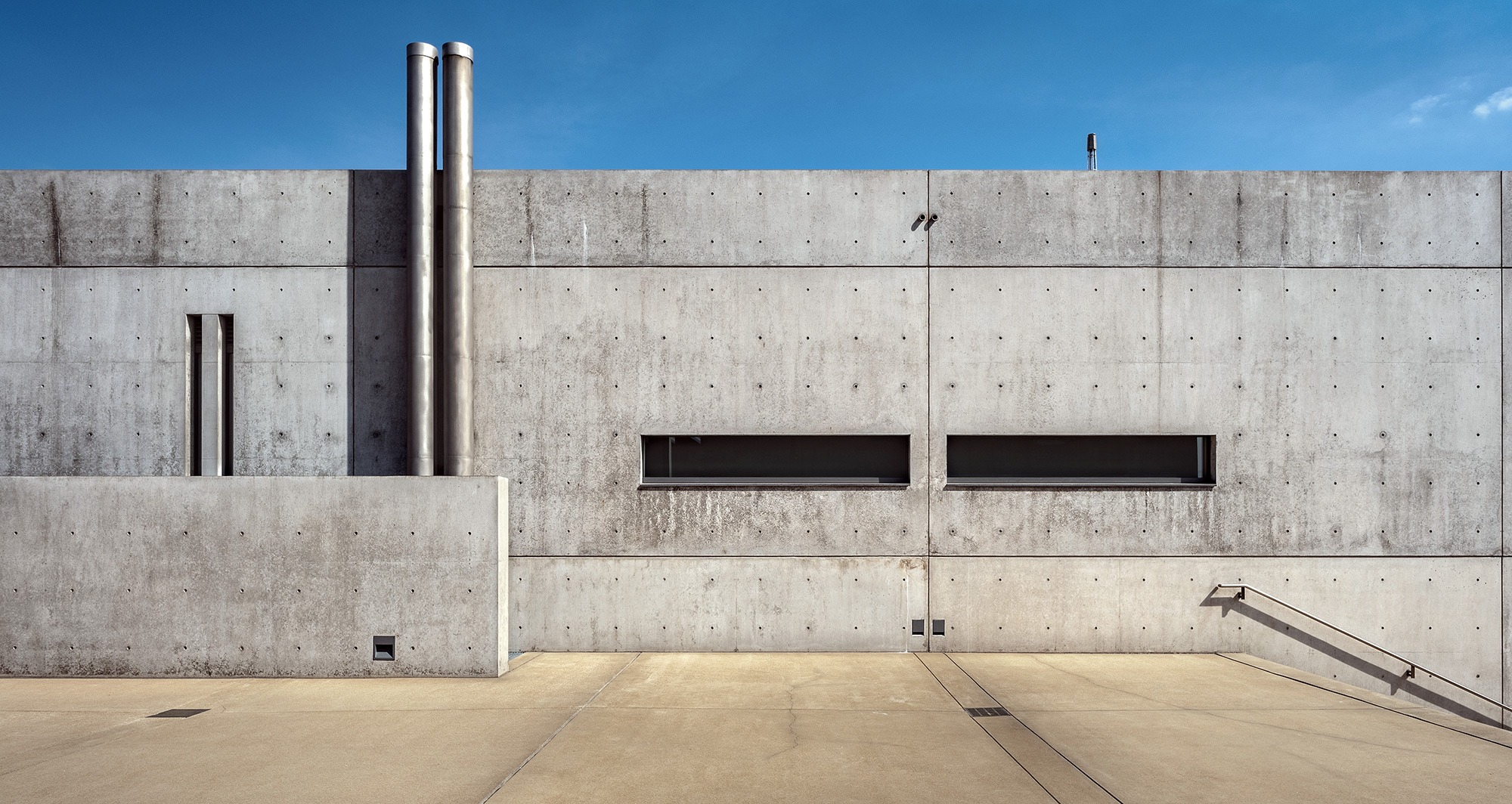
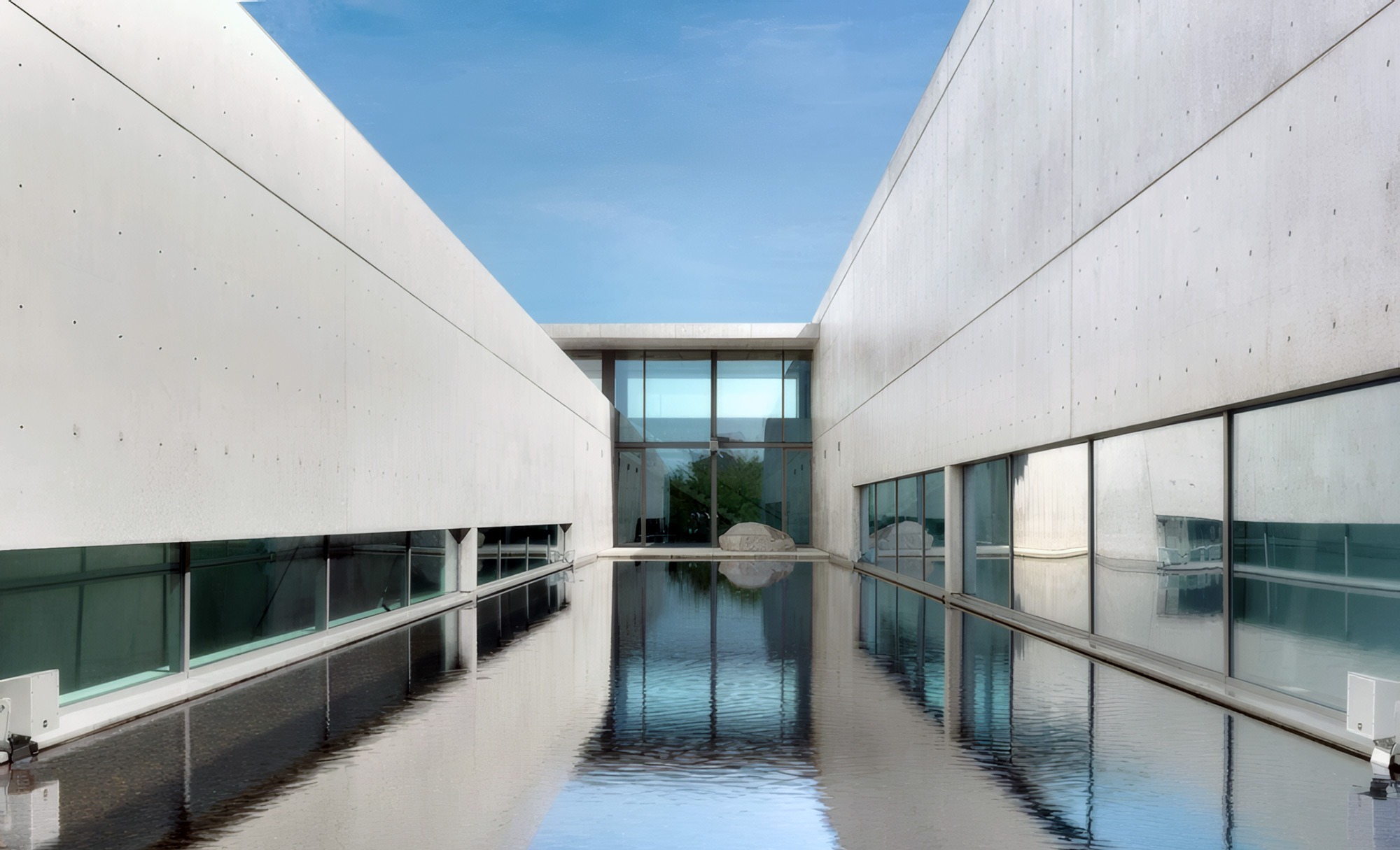
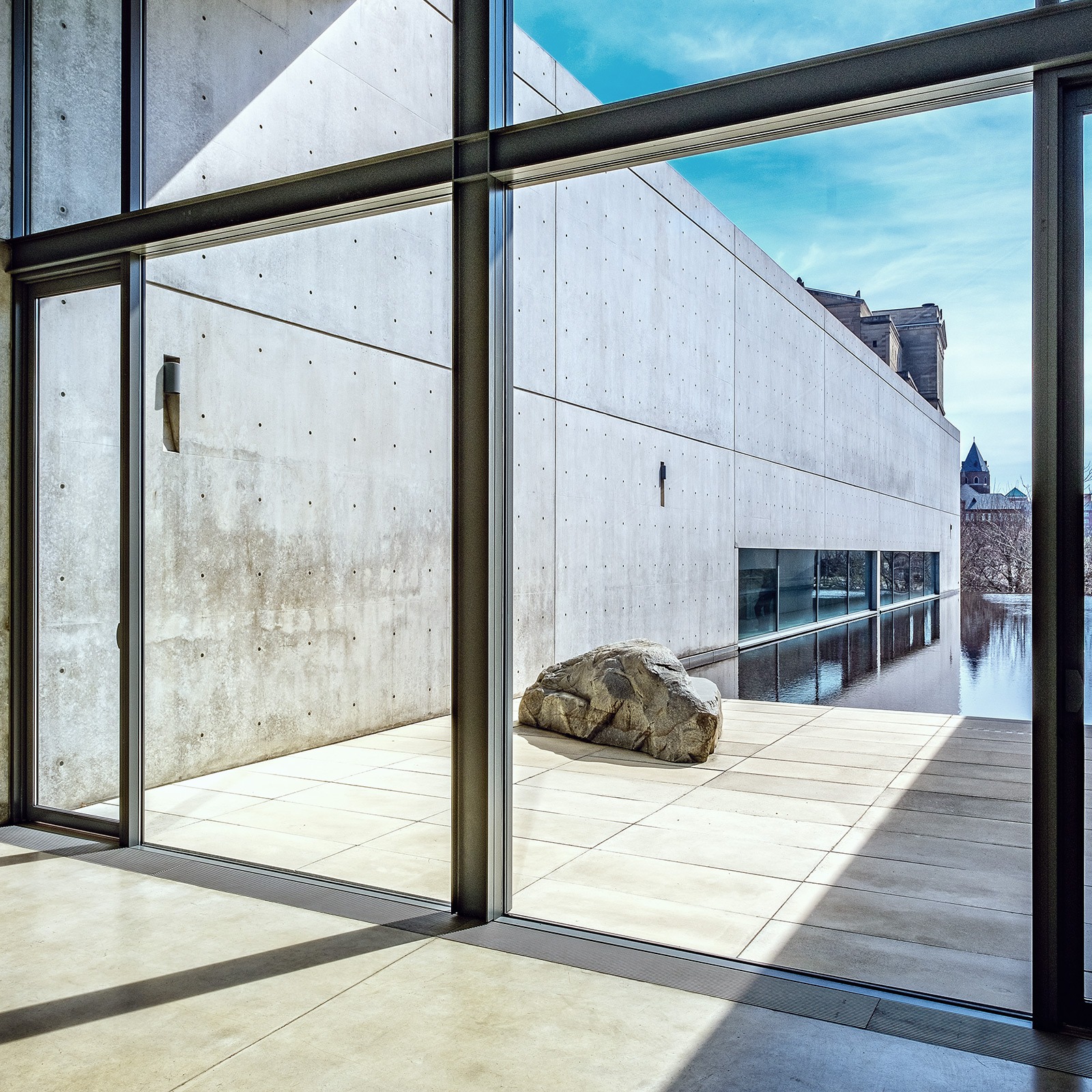
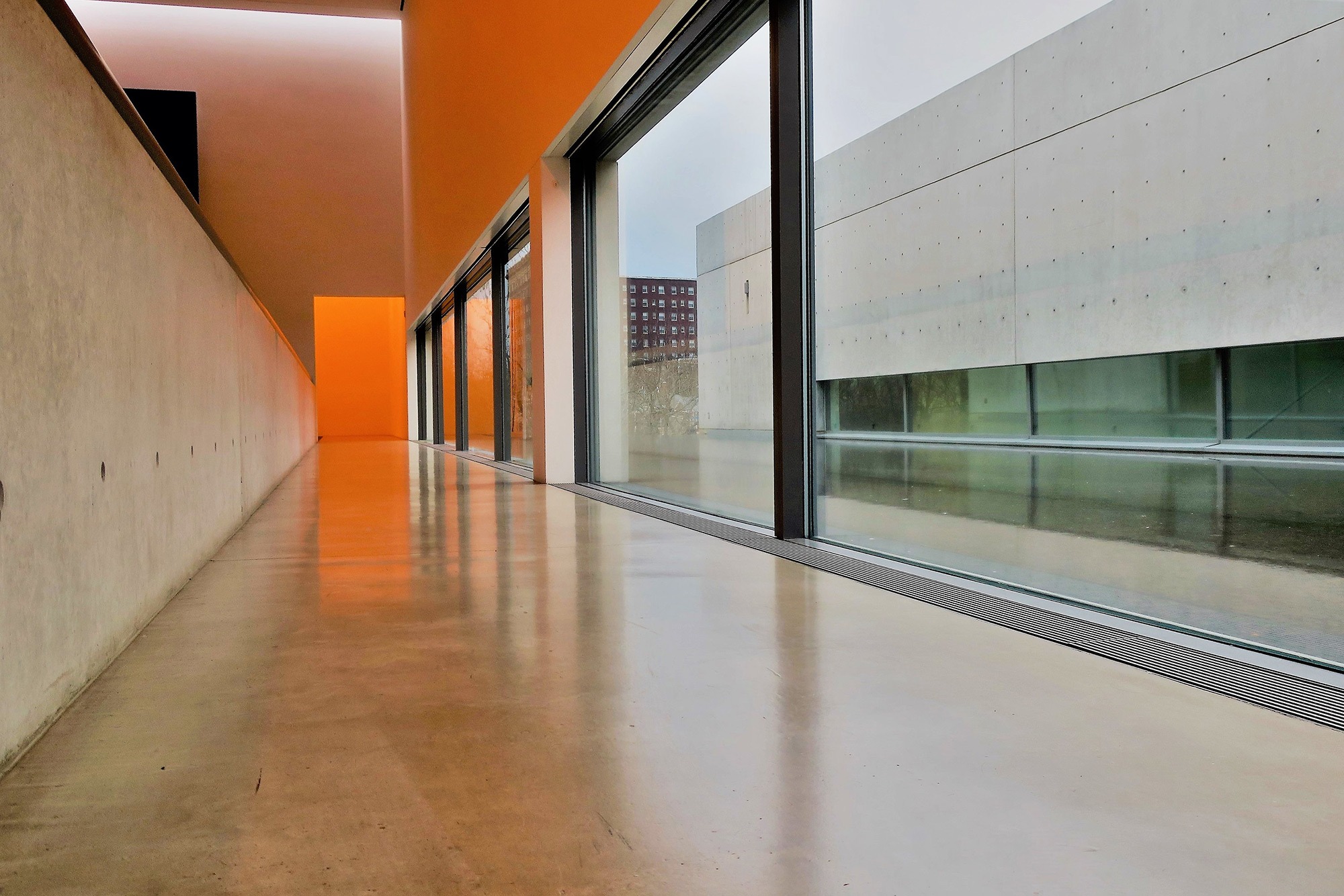
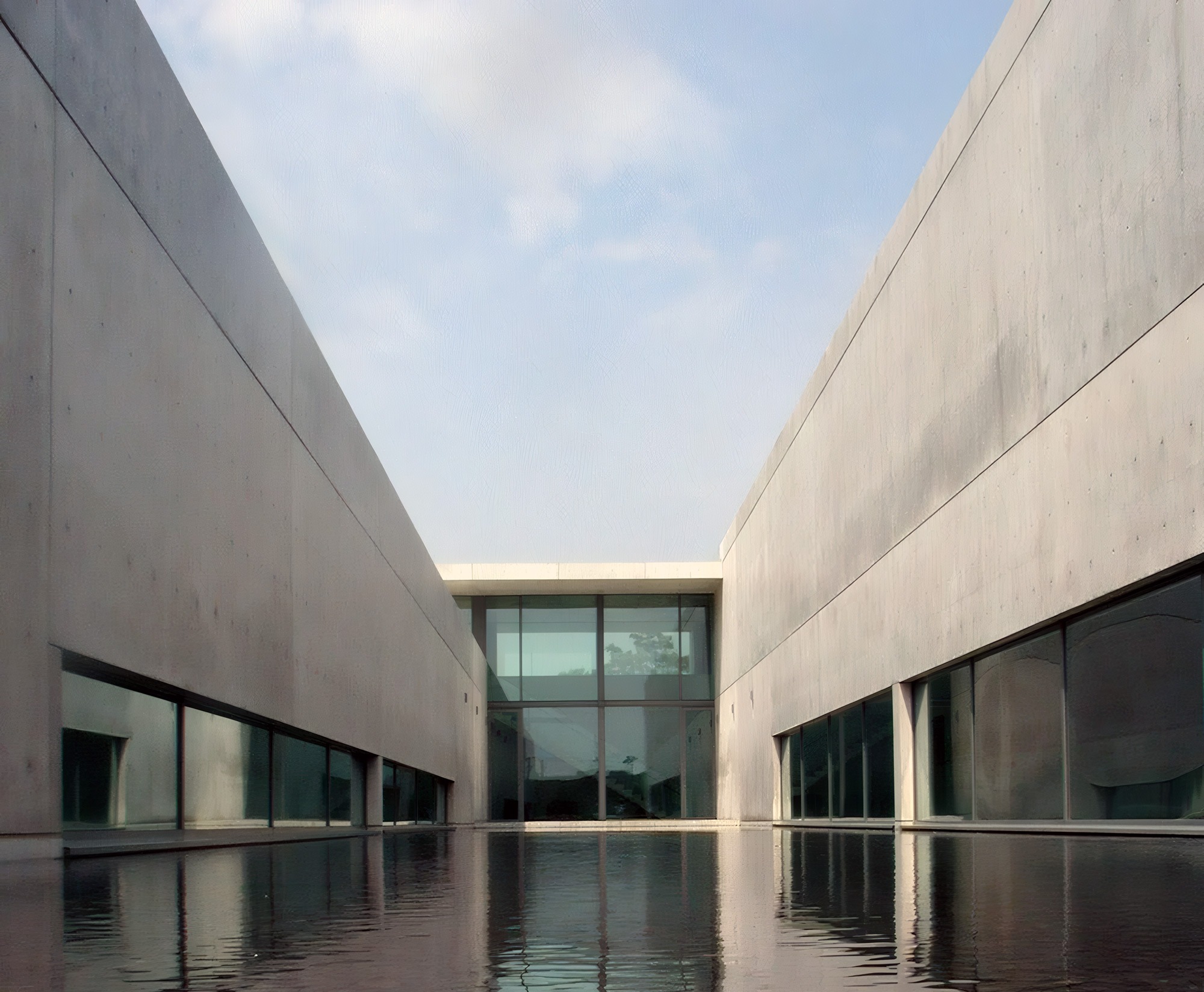
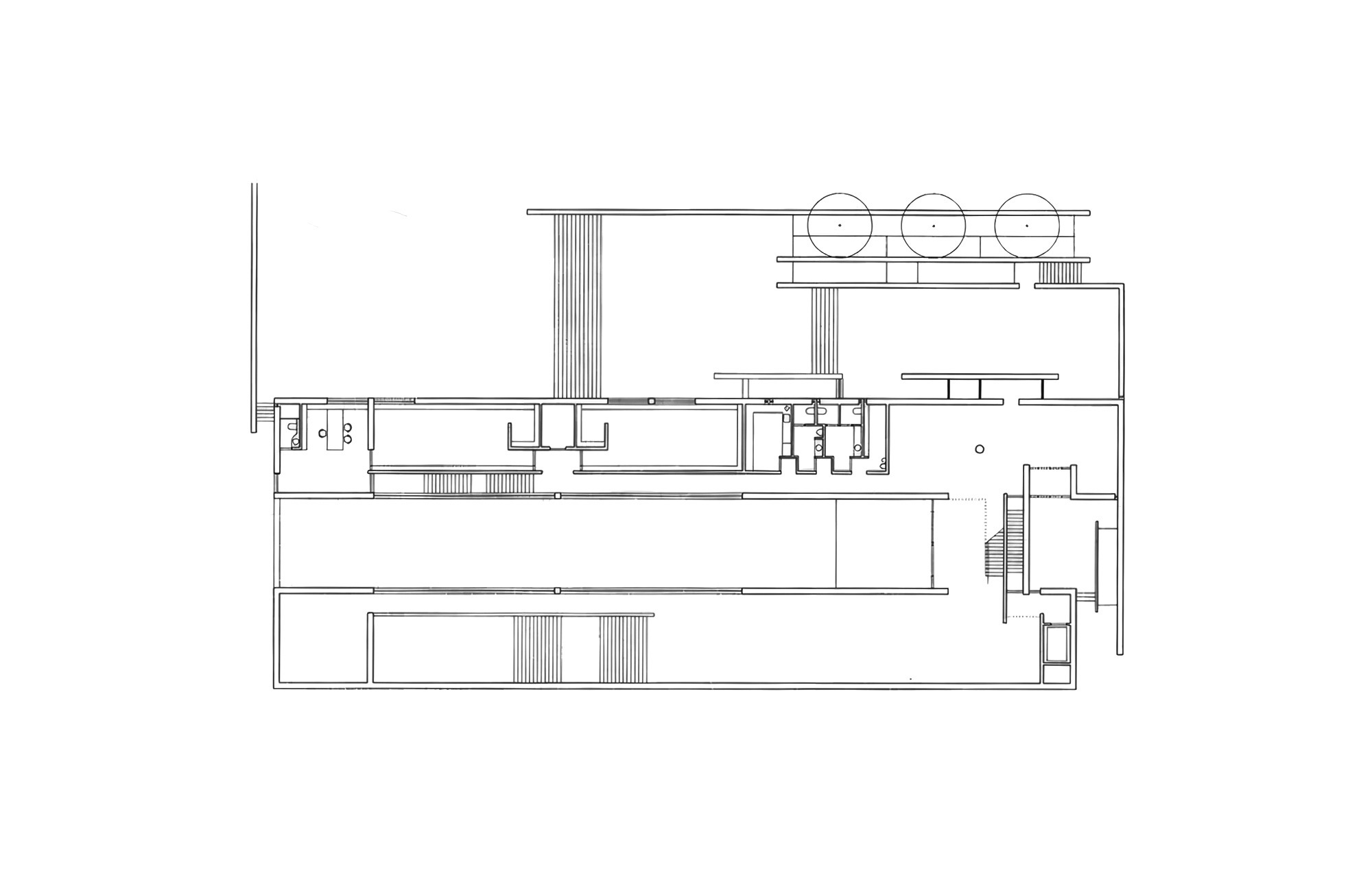
Designed by Tadao Ando, the Pulitzer Arts Foundation in St. Louis is an introverted museum of cast-in-place concrete and glass that organizes a measured sequence of galleries around a water court, with daylight as the primary material. Its low profile and calibrated thresholds form a calm precinct within the Grand Center district, withholding exterior views to sharpen perception of light, proportion, and surface within.
Context and Urban Strategy: An Introverted Civic Anchor
Context and Urban Strategy: An Introverted Civic Anchor
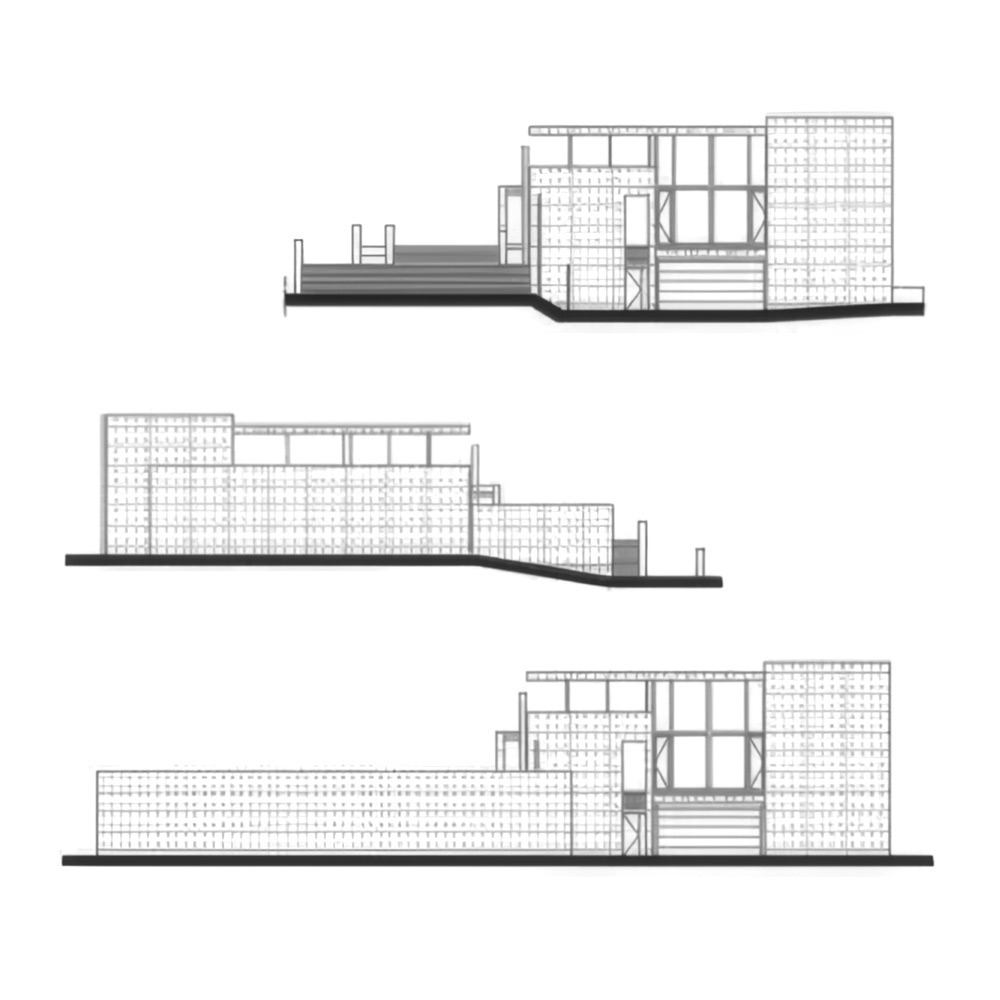
The museum creates a serene interior world within St. Louis’s Grand Center by drawing its attention inward. A low, continuous frontage in smooth concrete aligns with neighboring volumes yet resists the extroversion of the cultural district. By limiting openings to carefully positioned slots and portals, the building buffers the galleries from external traffic and signage, creating a perceptual reset before one encounters the art.
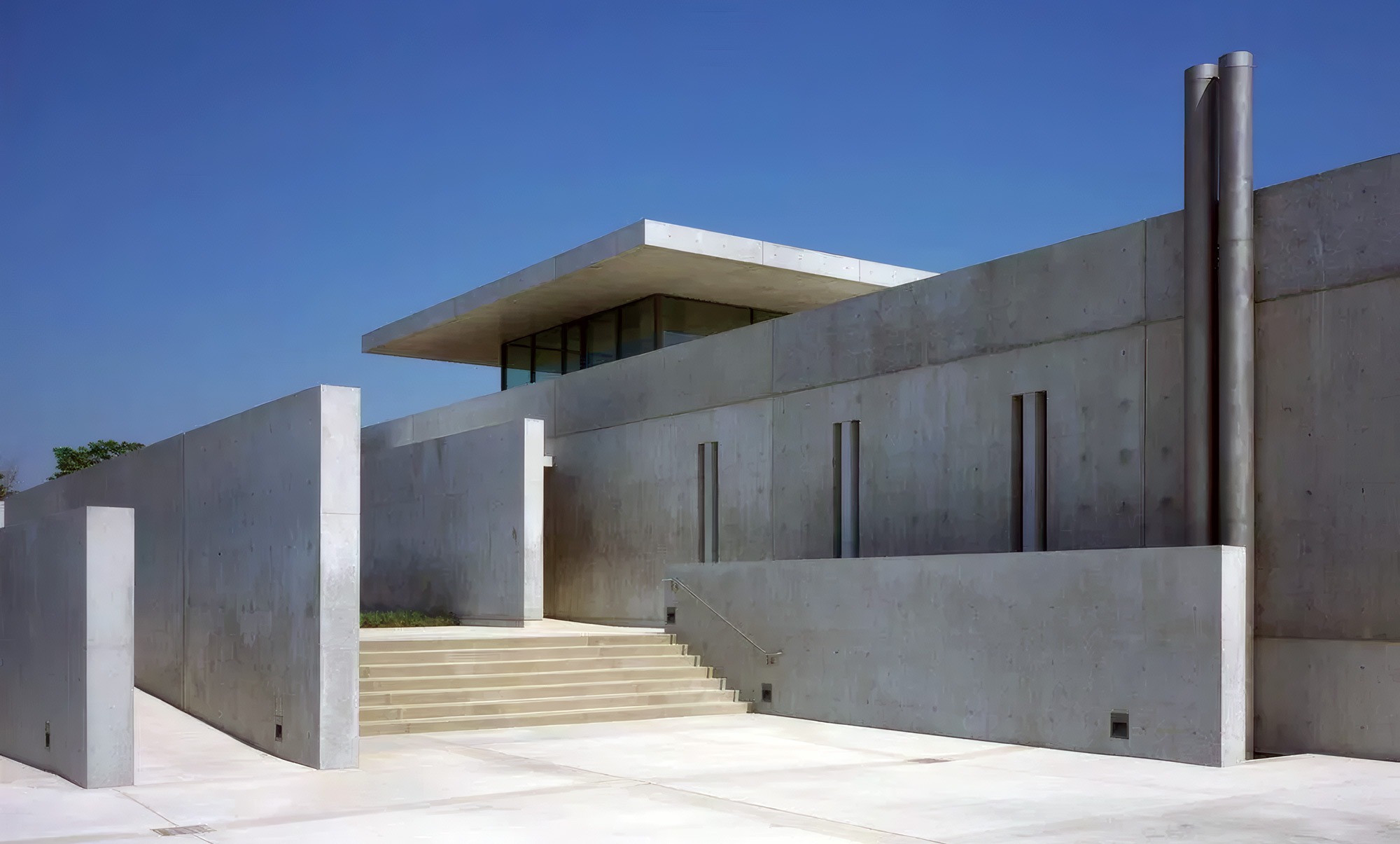
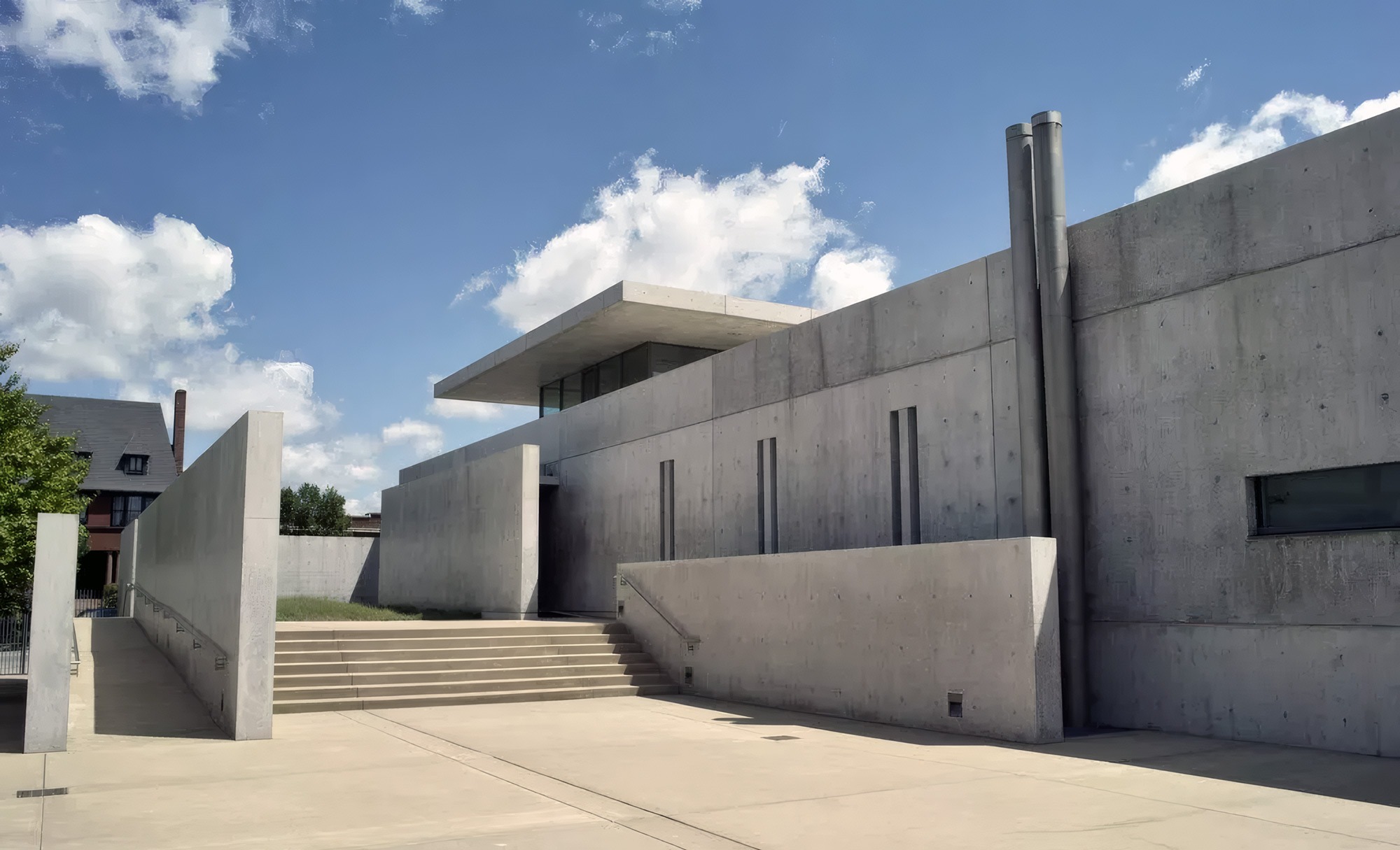
The approach is structured as a sequence that compresses the urban scale to a human register. A freestanding wall welcomes visitors and defines a shallow forecourt, which still maintains a measured distance from the city. Passing through a controlled entry, one transitions from the brightness and noise of the street to a tempered interior, where the first experiences are spatial rather than visual. This choreography heightens the reveal of courtyards and galleries that unfold beyond.
The strategy is less about isolation than about calibrating contact with the city. With a restrained height and planar elevations, the building sits in dialogue with surrounding institutions while withholding immediate disclosure of interior content. The delayed reveal prioritizes spatial legibility and curatorial control, asserting the museum as a civic anchor defined by quietness and clarity.
Material, Proportion, and Light as Architectural Structure
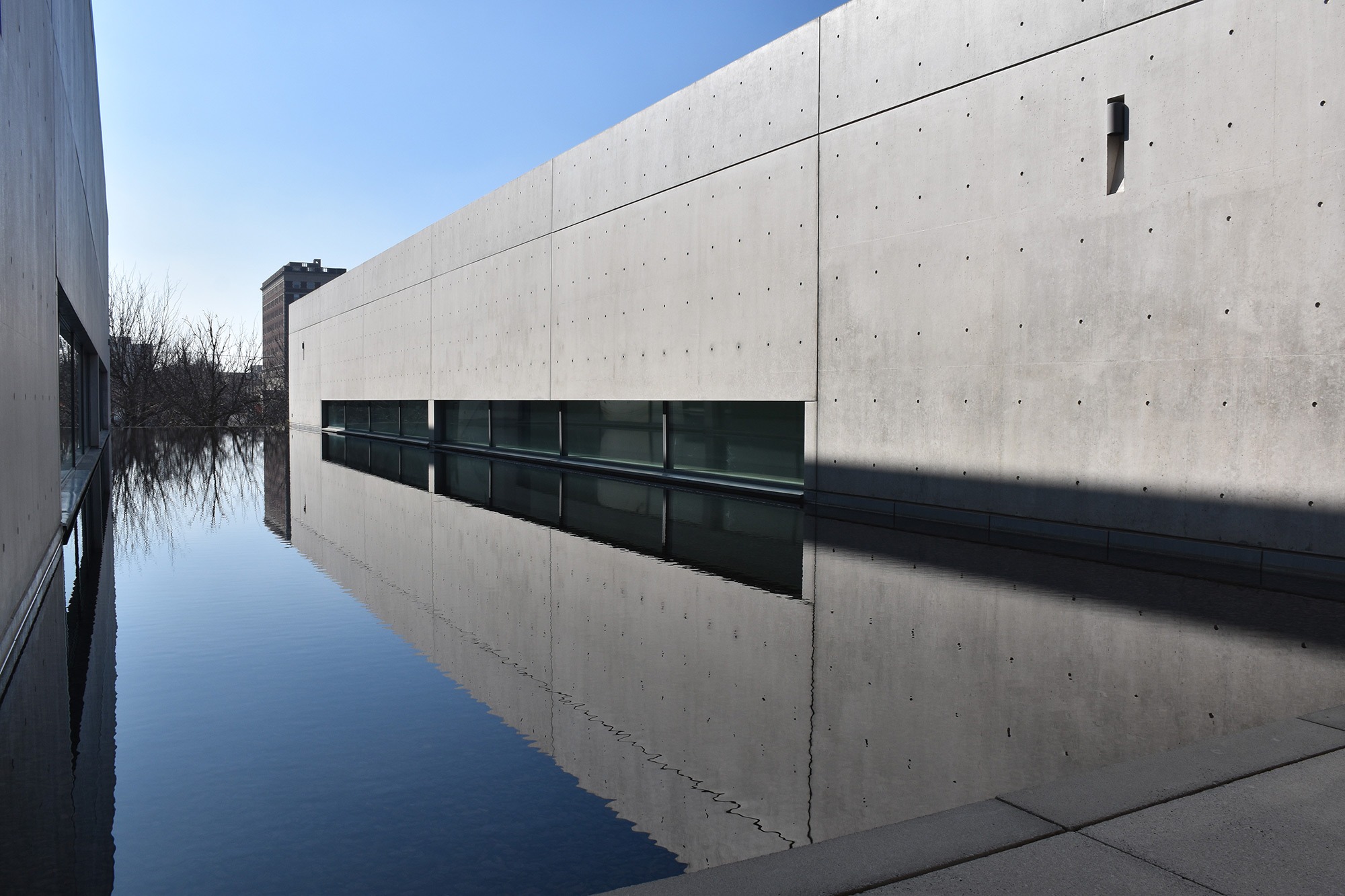
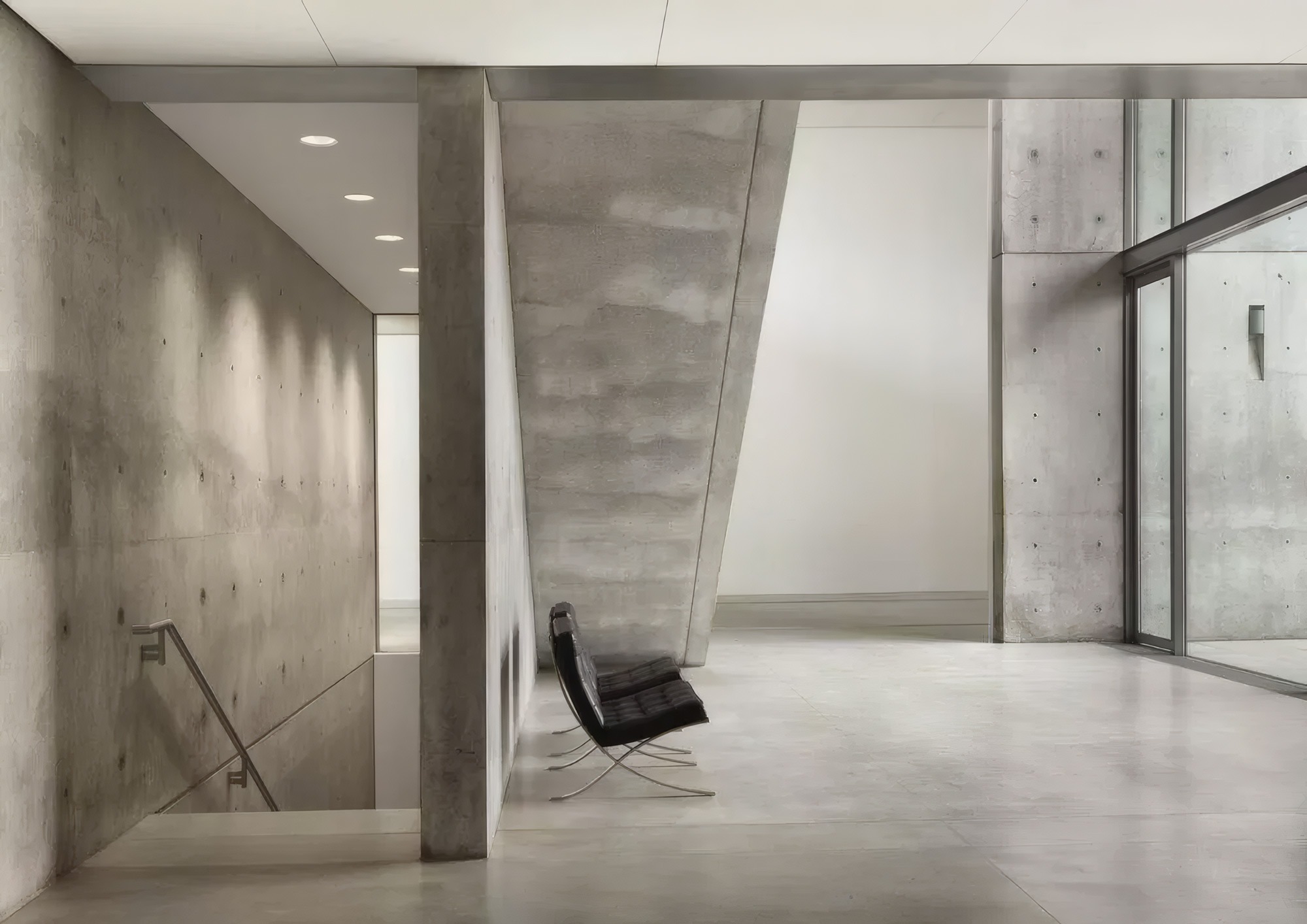
A minimal palette of cast-in-place concrete and clear glass serves as both structure and surface. The formwork grid and tie-hole rhythm provide an ordering system that registers at multiple scales, from the grasp of a hand on a wall to the alignment of long elevations. Corners are resolved with precise returns and shadow joints, allowing material continuity to carry the building’s reading rather than applied details.
A minimal palette of cast-in-place concrete and clear glass serves as both structure and surface. The formwork grid and tie-hole rhythm provide an ordering system that registers at multiple scales, from the grasp of a hand on a wall to the alignment of long elevations. Corners are resolved with precise returns and shadow joints, allowing material continuity to carry the building’s reading rather than applied details.
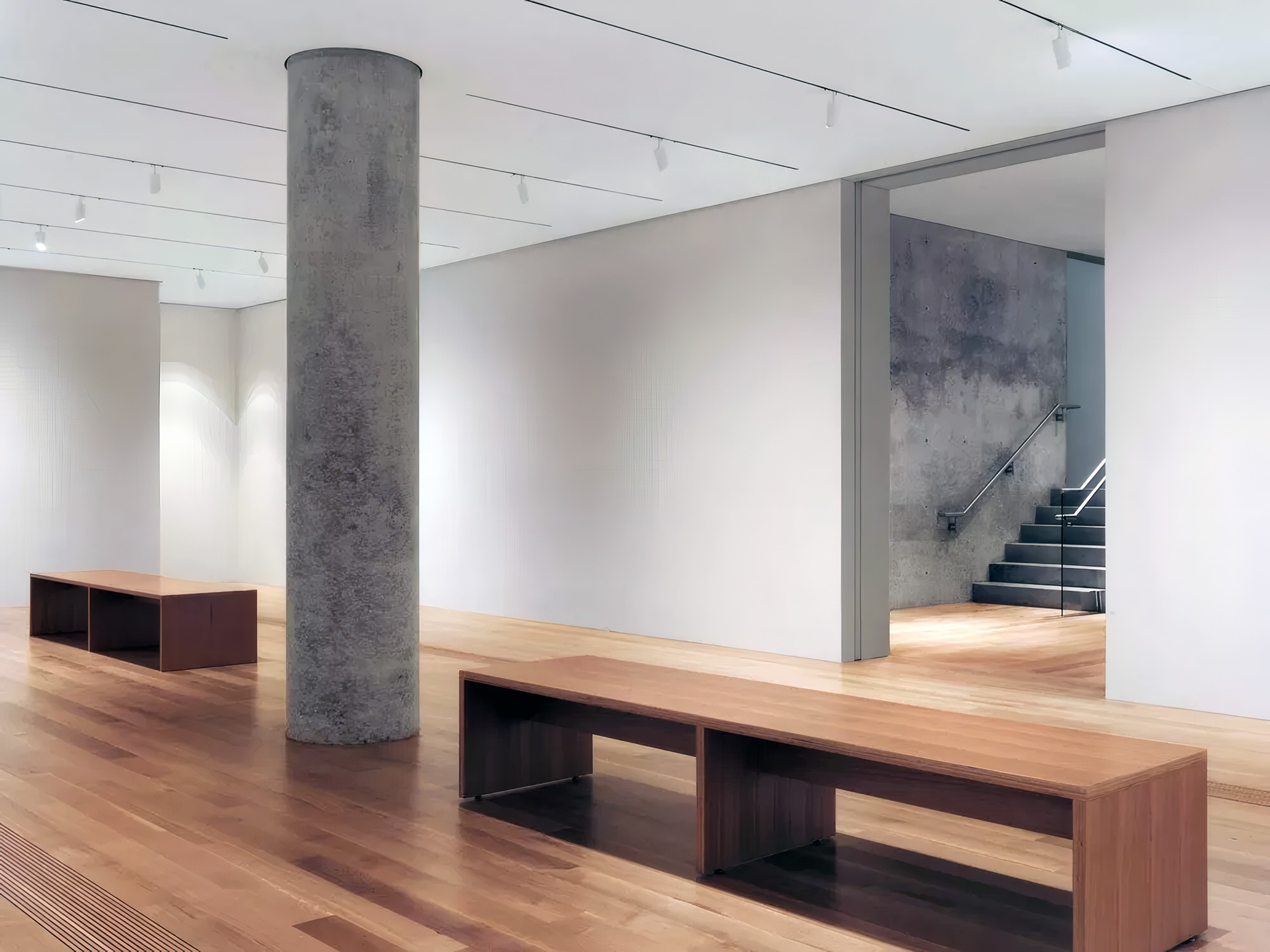
Daylight functions as the principal finish. Roof slots, clerestories, and deep reveals admit diffuse light while limiting glare and ultraviolet exposure. The section thickens where needed, using baffles, light wells, and soffit depth to balance luminance across exhibition walls and floors. Light is measured rather than abundant, supporting conservation requirements and sustaining a stable atmosphere that allows perception to focus.
Light and shadow articulate junctions, turning surfaces into instruments of orientation. Wall planes, ceilings, and glazing read as a coherent assembly in which structure, envelope, and display surface converge. The result is a legible framework where proportion governs experience and where illumination clarifies rather than decorates the architecture.
Spatial Sequence and Gallery Typologies
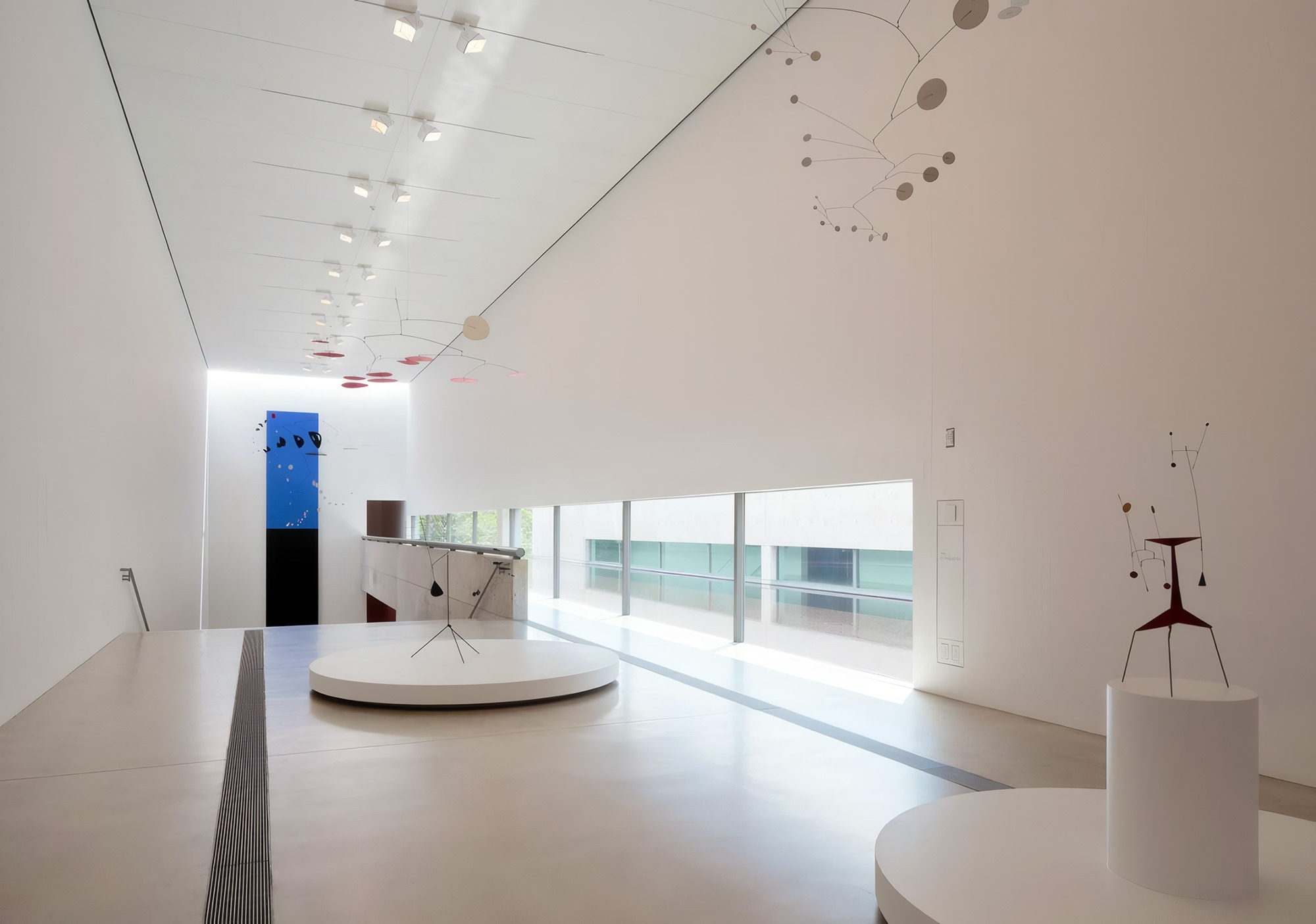
Gallery rooms vary in proportion, ranging from intimate chambers suited to delicate works to elongated halls that accommodate larger formats. Despite differing sizes, a consistent wall datum and controlled light quality maintain continuity. Surfaces remain free of visual noise, allowing curatorial arrangements to define focal points while the architecture supplies a stable backdrop.
Gallery rooms vary in proportion, ranging from intimate chambers suited to delicate works to elongated halls that accommodate larger formats. Despite differing sizes, a consistent wall datum and controlled light quality maintain continuity. Surfaces remain free of visual noise, allowing curatorial arrangements to define focal points while the architecture supplies a stable backdrop.
Subsequent adaptations opened previously non-public lower-level areas to exhibitions, increasing capacity without disturbing the original circulation logic. The extension followed the established language of measured light and clear paths, reinforcing the building’s didactic sequence while offering new spatial options for display and assembly.
Water Court and Landscape as Environmental Mediators
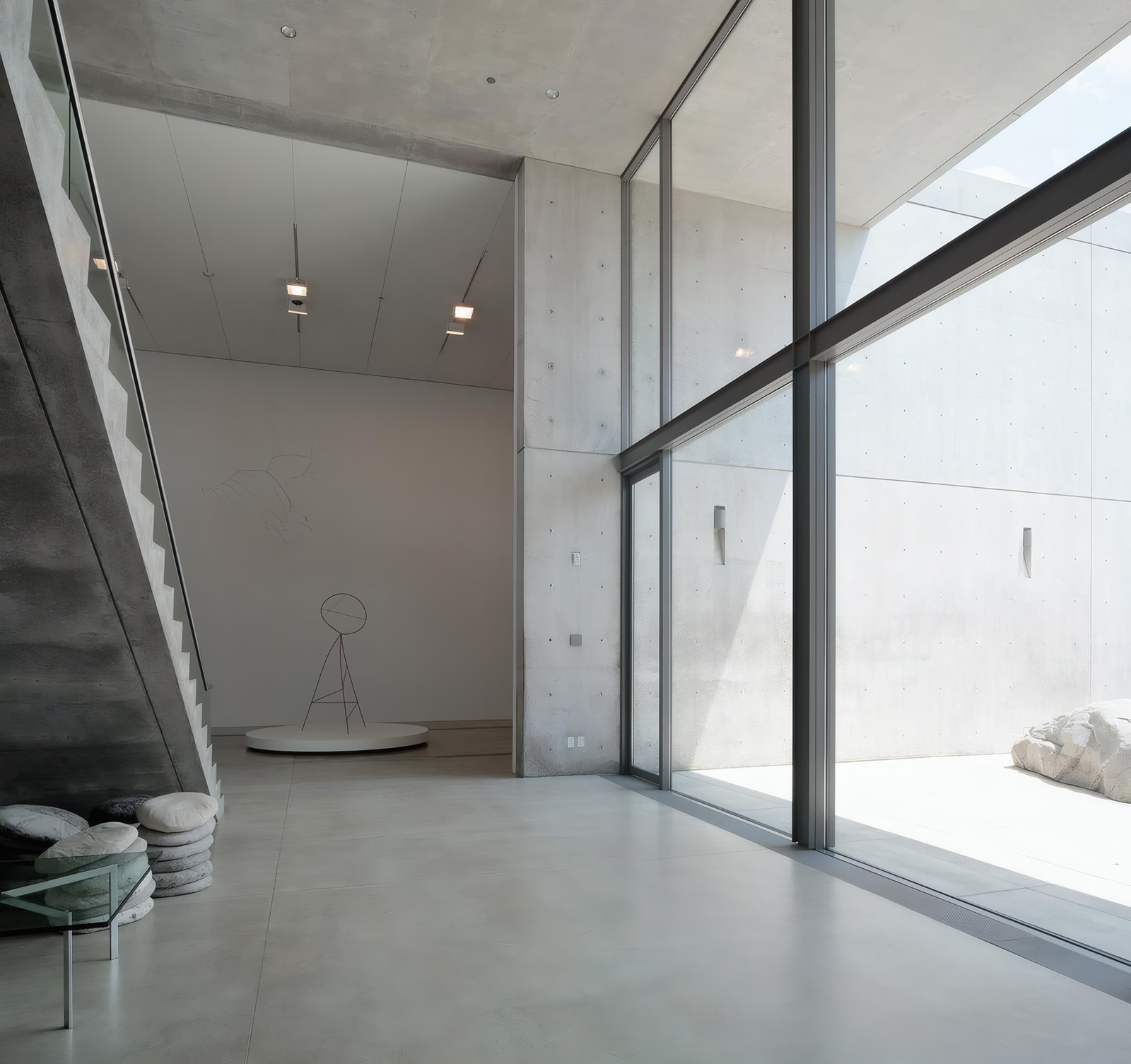
The reflecting pool operates as a luminous void, bringing the sky into the interior sequence. Reflected light animates adjacent concrete planes, introducing temporal variation that softens the austerity of the material palette. The surface registers weather and season, inviting slow looking that parallels the pace set by the galleries.
The reflecting pool operates as a luminous void, bringing the sky into the interior sequence. Reflected light animates adjacent concrete planes, introducing temporal variation that softens the austerity of the material palette. The surface registers weather and season, inviting slow looking that parallels the pace set by the galleries.
Garden walls, courts, and tightly framed apertures produce layered sightlines between interior and exterior. Views are calibrated rather than panoramic, extending perceived depth while preserving curatorial control. The landscape is not a scenic backdrop but a spatial layer that complements the building’s axial clarity and supports orientation.
Water and planted elements contribute to microclimate and acoustics. Evaporation and shading temper the heat at the courts, while the pool’s sound dampens urban noise. These environmental effects reinforce the contemplative atmosphere and provide moments of reset within the sequence, aligning environmental performance with the museum’s experiential intent.
Source: Tadao Ando Architect & Associates
m i l i m e t d e s i g n – w h e r e t h e c o n v e r g e n c e o f u n i q u e c r e a t i v e s
m i l i m e t d e s i g n – w h e r e t h e c o n v e r g e n c e o f u n i q u e c r e a t i v e s


TYPE OF WORKS

Most Viewed Posts








Since 2009. Copyright © 2026 milimetdesign. All rights reserved. Contact: milimetdesign@milimet.com