
National Museum of Ecuador MUNA design by SANAA, Estudio A0, Caá Porá Arquitectura, Jerome Haferd Studio, Taller Capital Landscape
Project: National Museum of Ecuador MUNA
Location: San Francisco de Quito, Ecuador
Design Team:
SANAA
Estudio A0
Caá Porá Arquitectura
Jerome Haferd Studio
Taller Capital Landscape
Location: San Francisco de Quito, Ecuador
Design Team:
SANAA
Estudio A0
Caá Porá Arquitectura
Jerome Haferd Studio
Taller Capital Landscape
DVDL, museum planning and visitor experience
Monica Vorbeck, museography
Eduardo Kohn, cultural advisor
Manari Ushigua, cultural advisor
ARUP / Michelle Roelofs, structural engineering
Monica Vorbeck, museography
Eduardo Kohn, cultural advisor
Manari Ushigua, cultural advisor
ARUP / Michelle Roelofs, structural engineering
Asesores de las nacionalidades y pueblos del Ecuador:
Javier Córdova
Fernando Huambutzereque
Sydney Males
Mateo Morales
Manuela Omari Ima
Amadeos Oyagata
Romelia Papue Mayancha
Colón Piaguaje
Dakota Santillán
María Clara Sharupi Juá
Rosa Mosquera
Javier Córdova
Fernando Huambutzereque
Sydney Males
Mateo Morales
Manuela Omari Ima
Amadeos Oyagata
Romelia Papue Mayancha
Colón Piaguaje
Dakota Santillán
María Clara Sharupi Juá
Rosa Mosquera
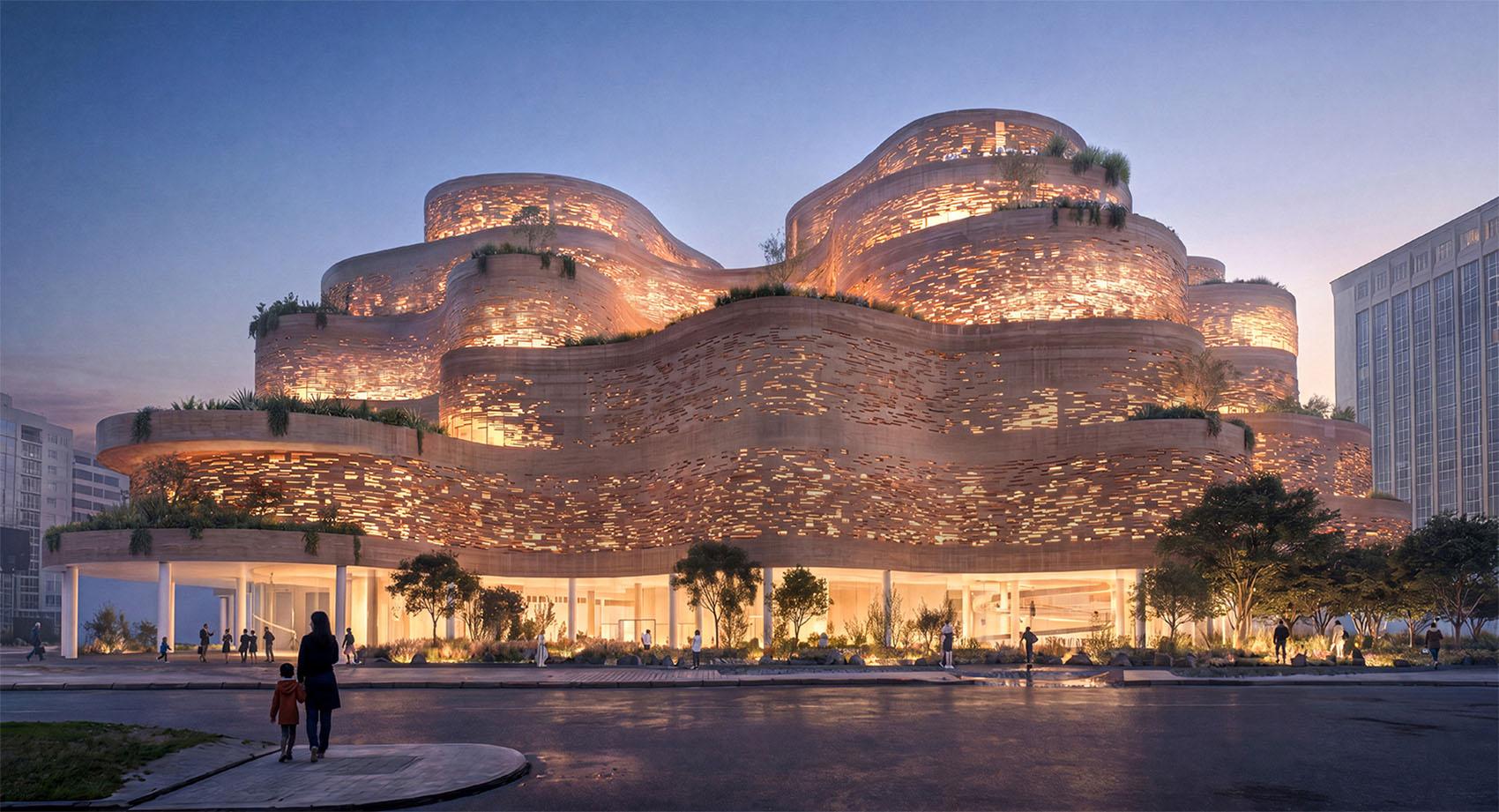
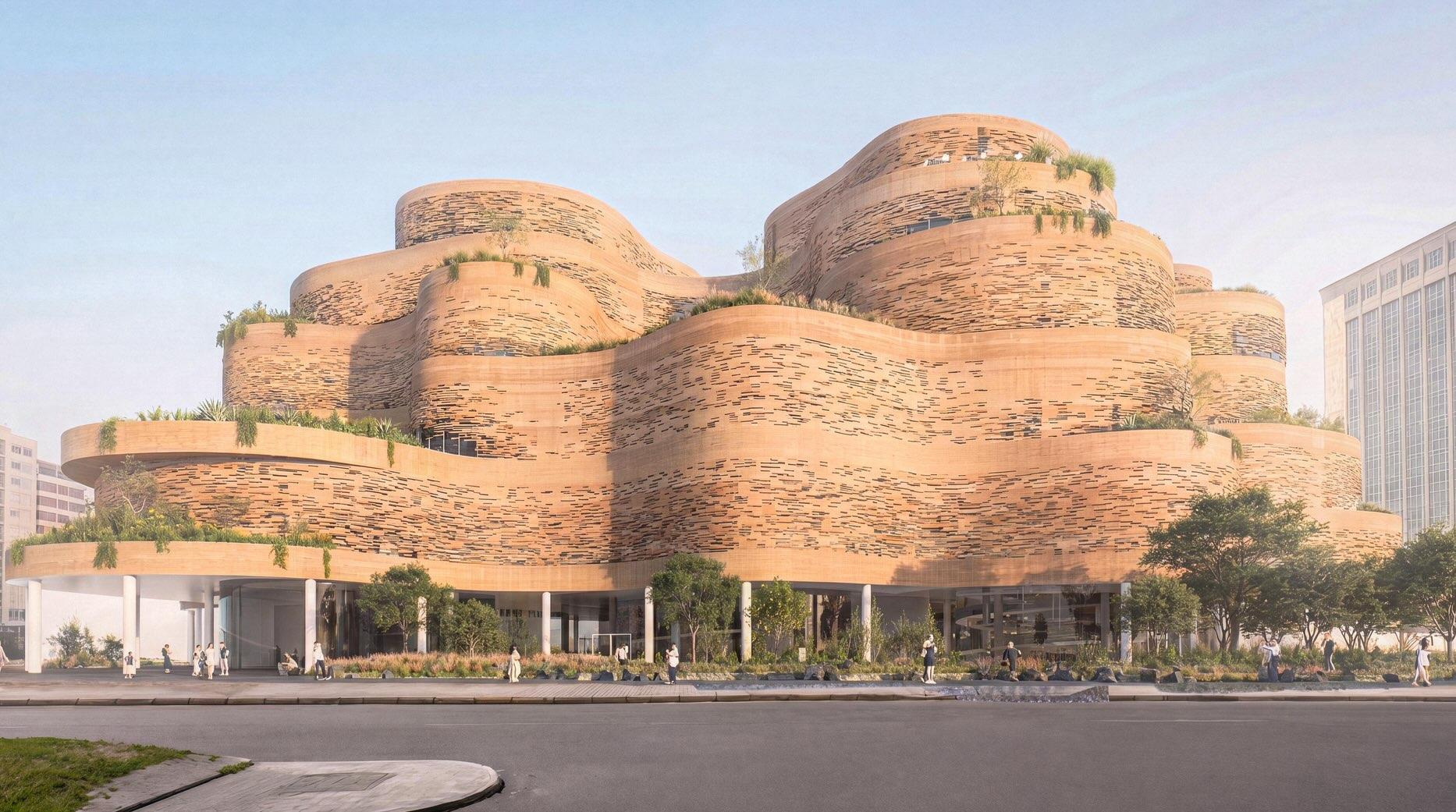
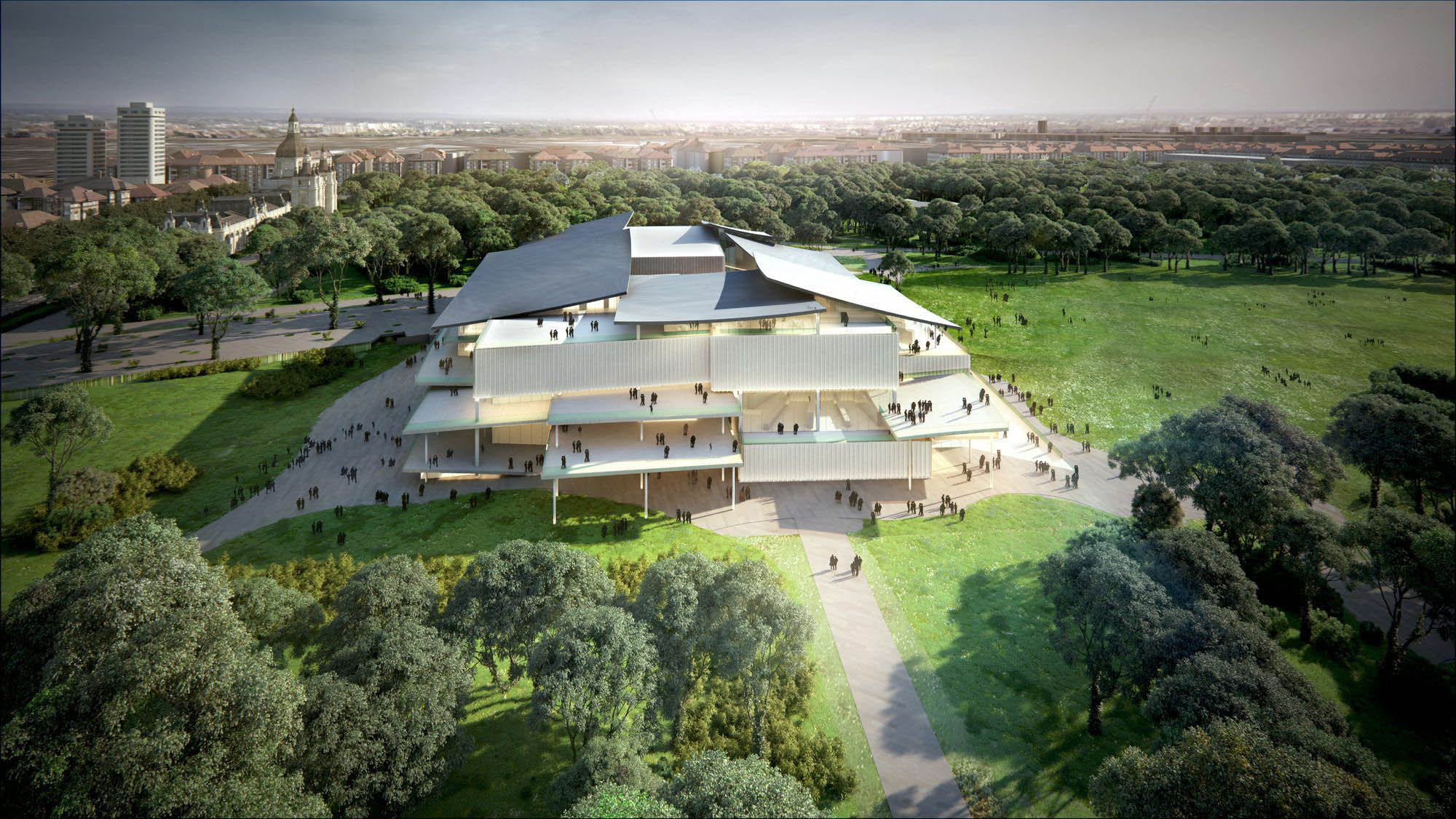
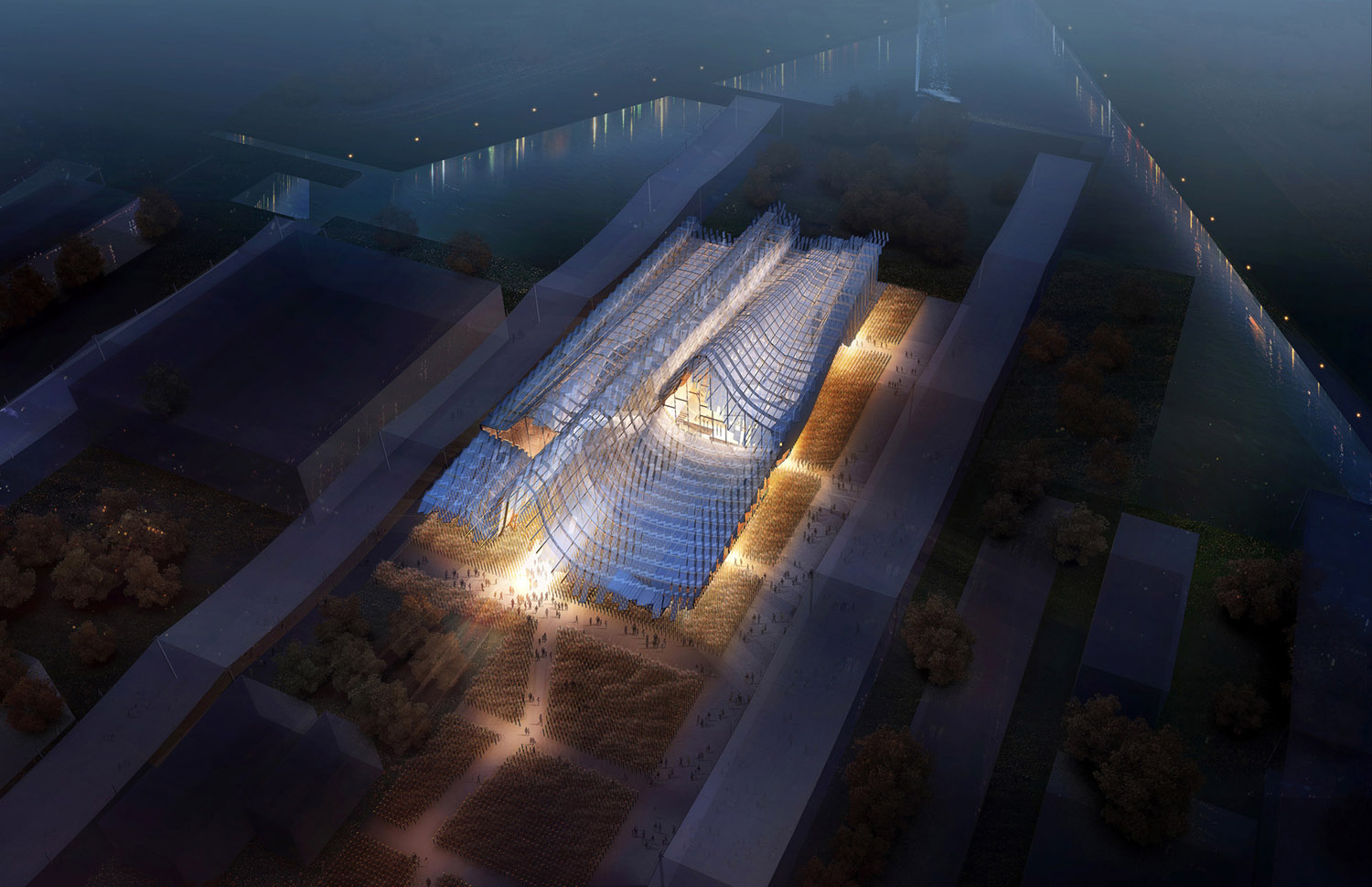
An international team led by SANAA in collaboration with Estudio A0, Caá Porá Arquitectura, Jerome Haferd Studio and Taller Capital Landscape have been selected for the highly anticipated Museo Nacional de Ecuador (MUNA) competition.
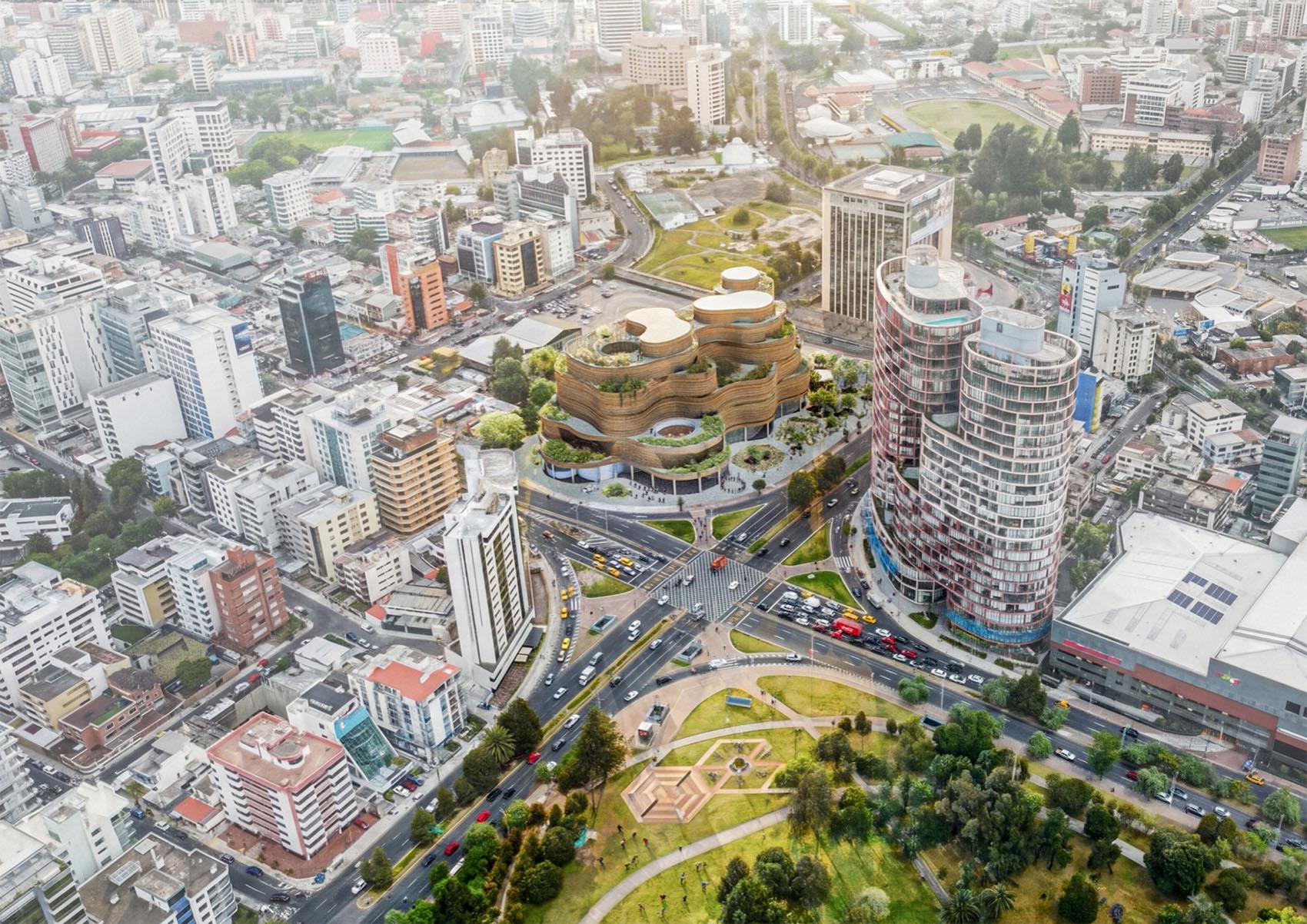
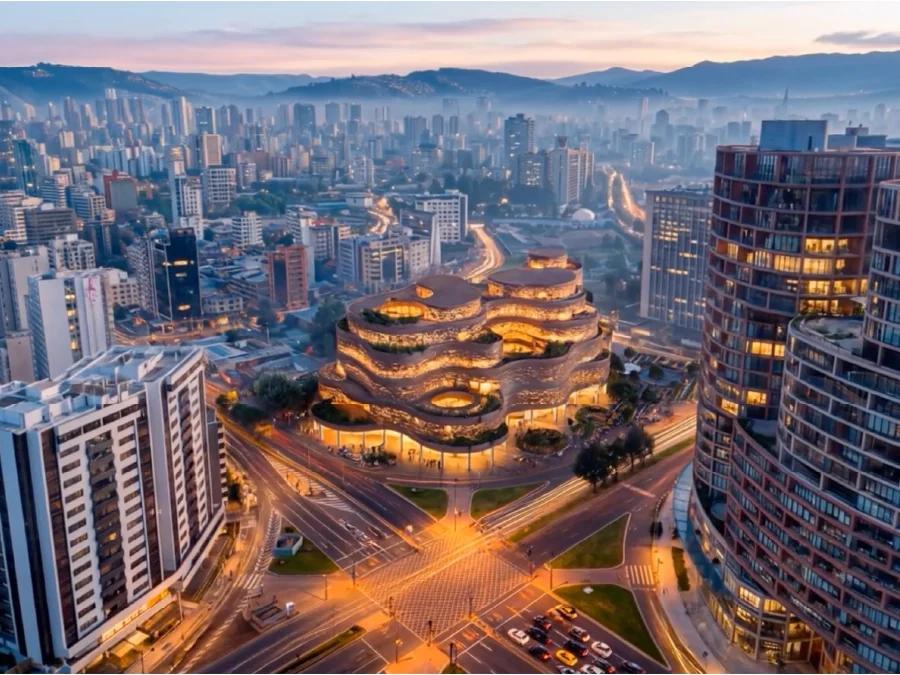
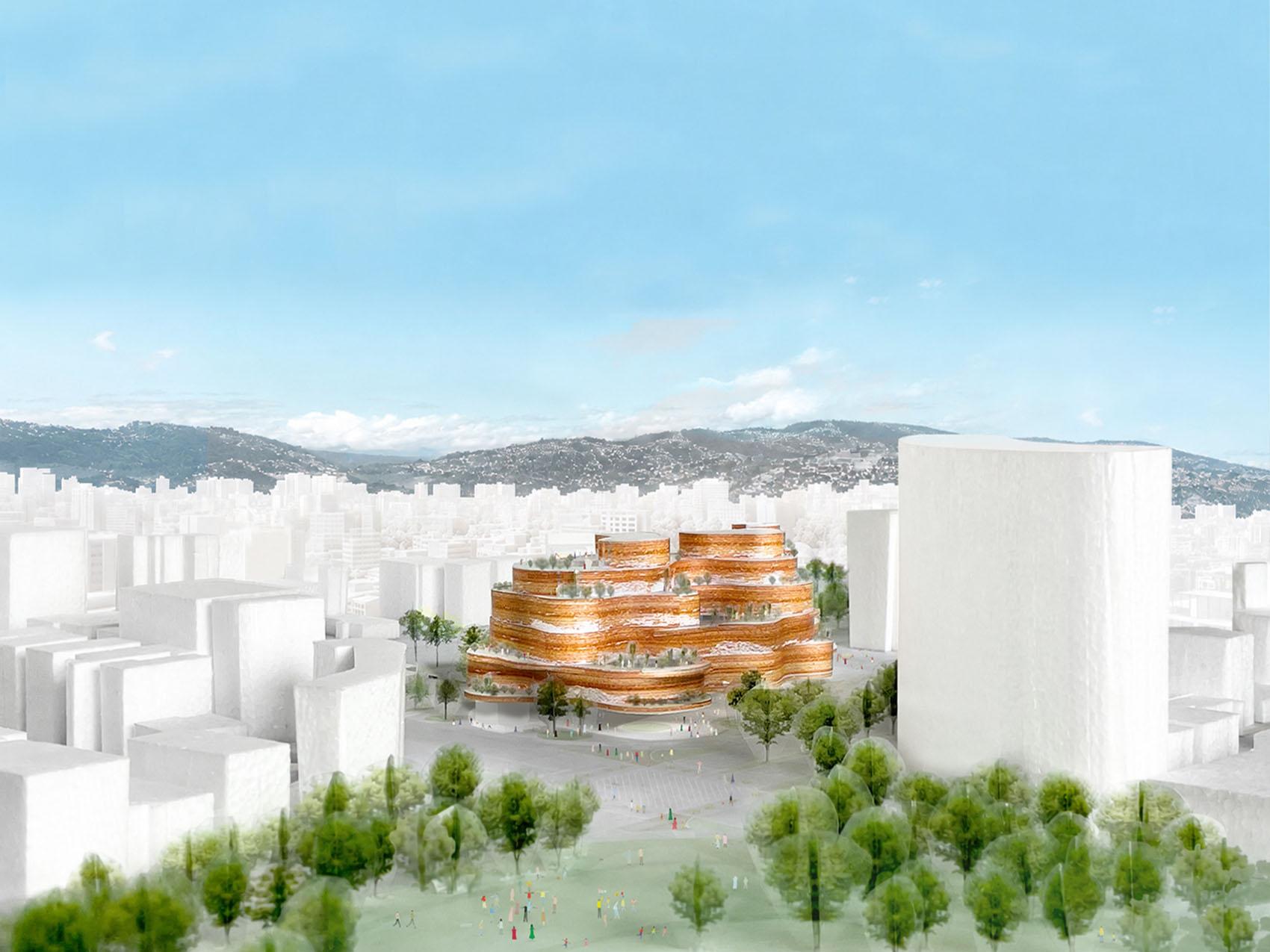
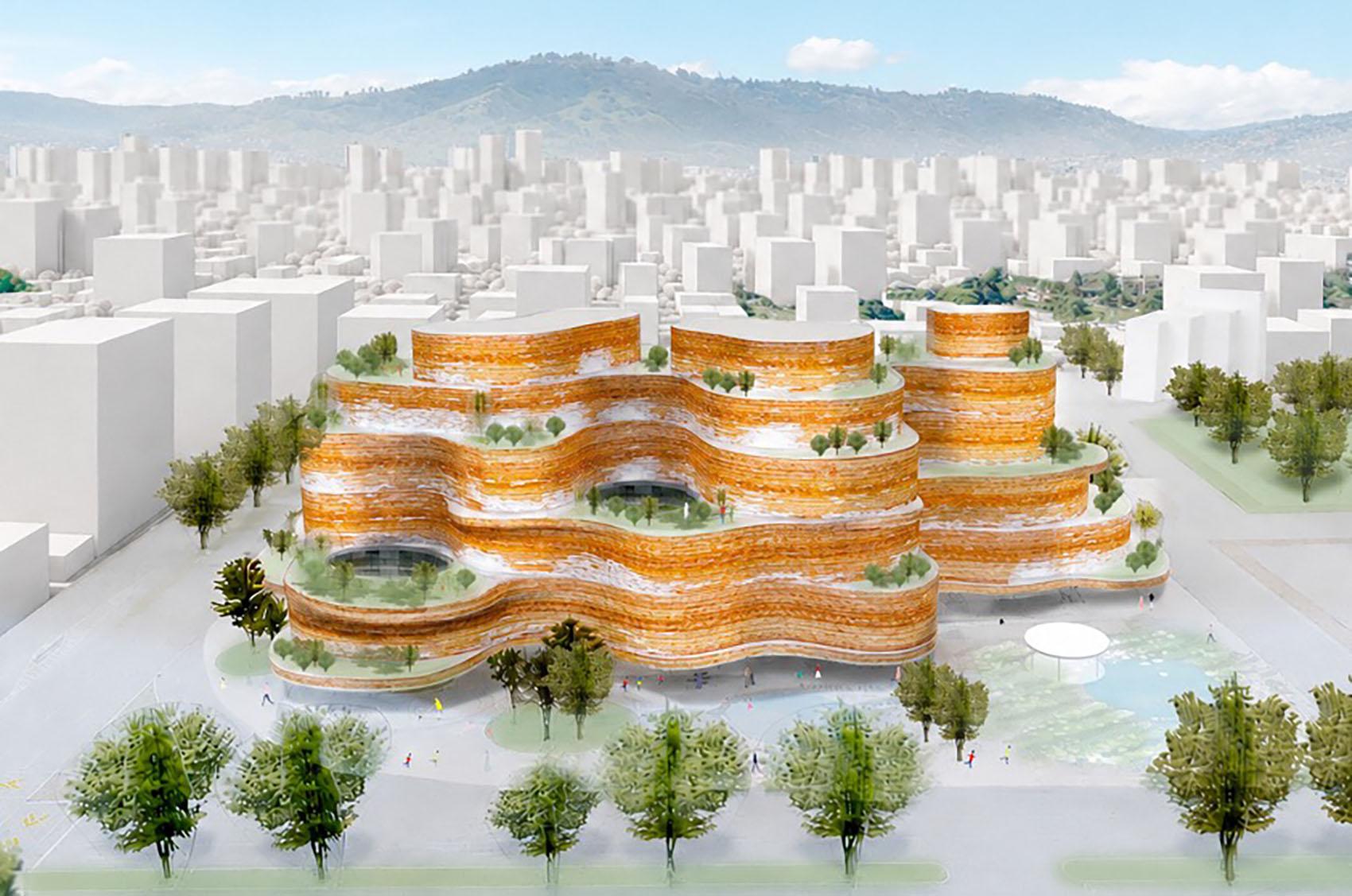
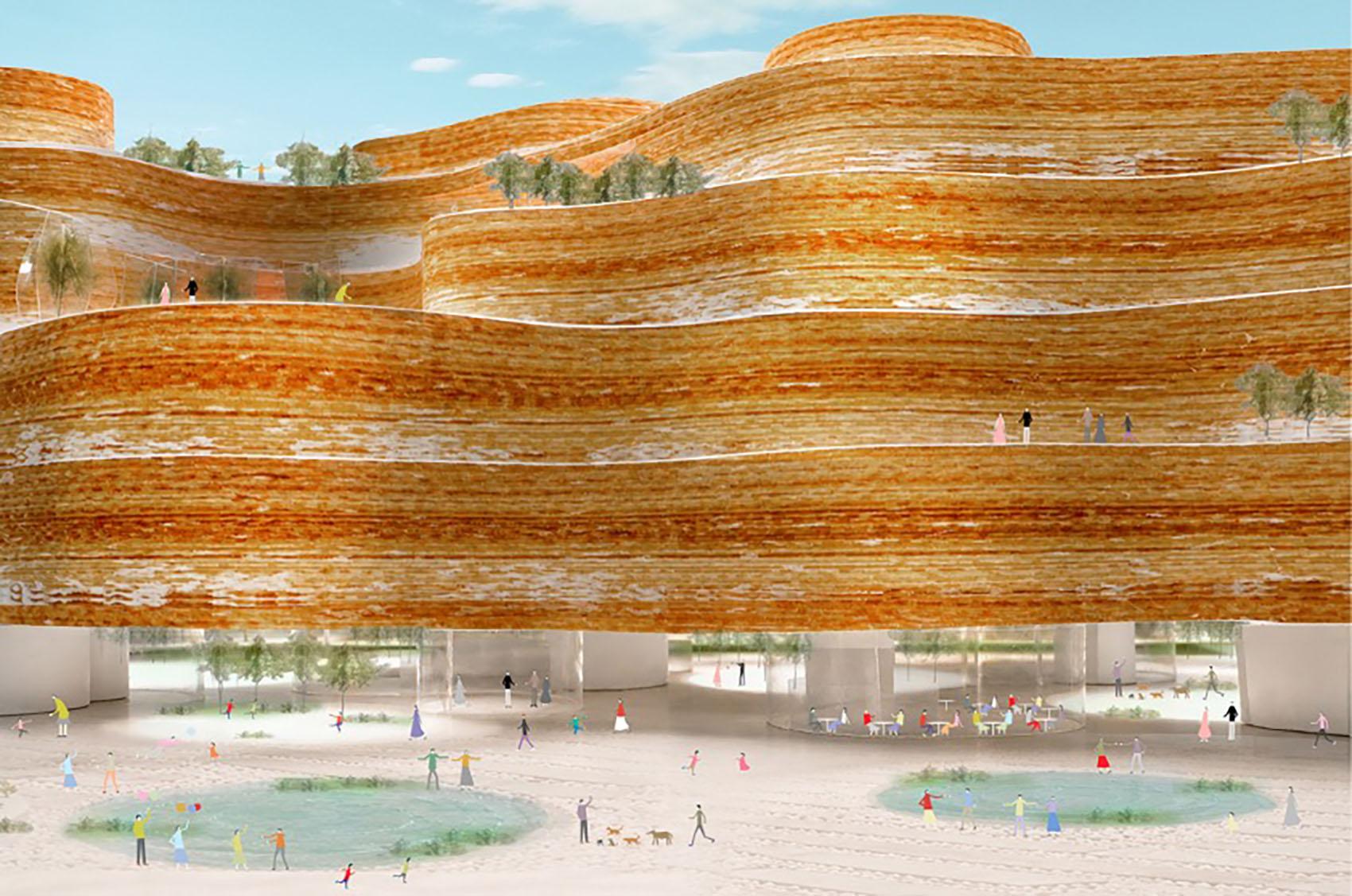
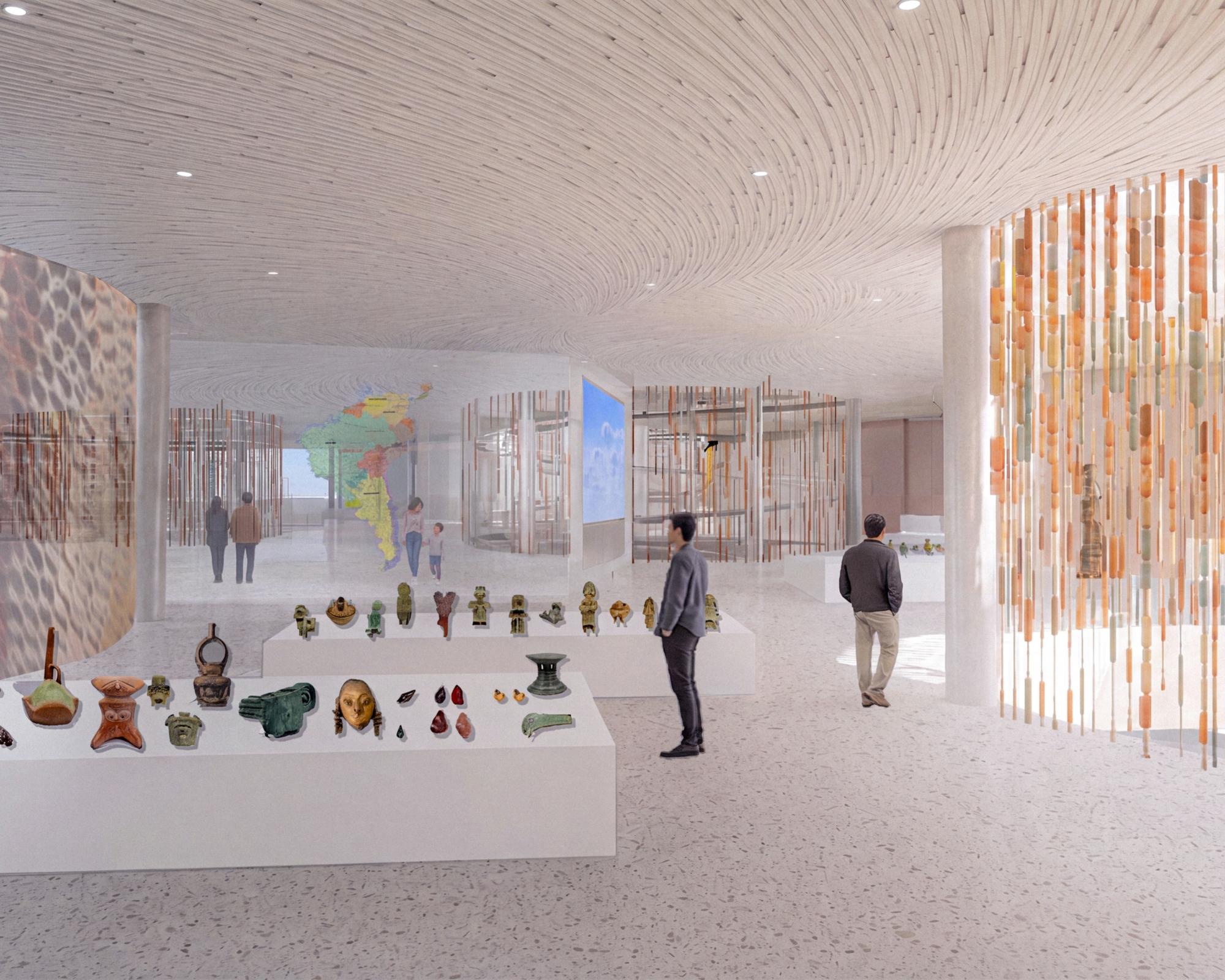
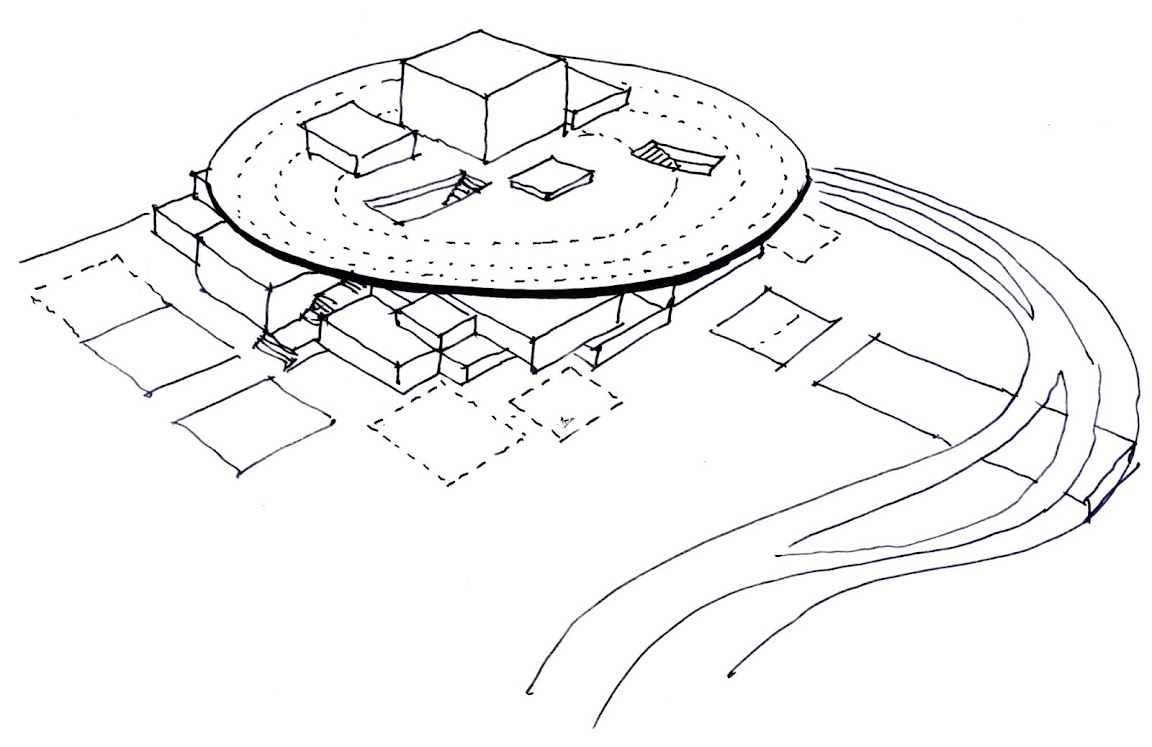
The SANAA-led proposal, “Living Strata”, “celebrates the synthesis between diversity and unity, between landscape and culture, between the ancestral and the contemporary”, the team describes. Inspired by pre-Columbian and Post-Columbian cultures, the project embraces the circle as an expression of collective memory, gathering, and connection with the cosmos. The project aims to reflect all Ecuadorian people and invite the international community to engage in this rich history.
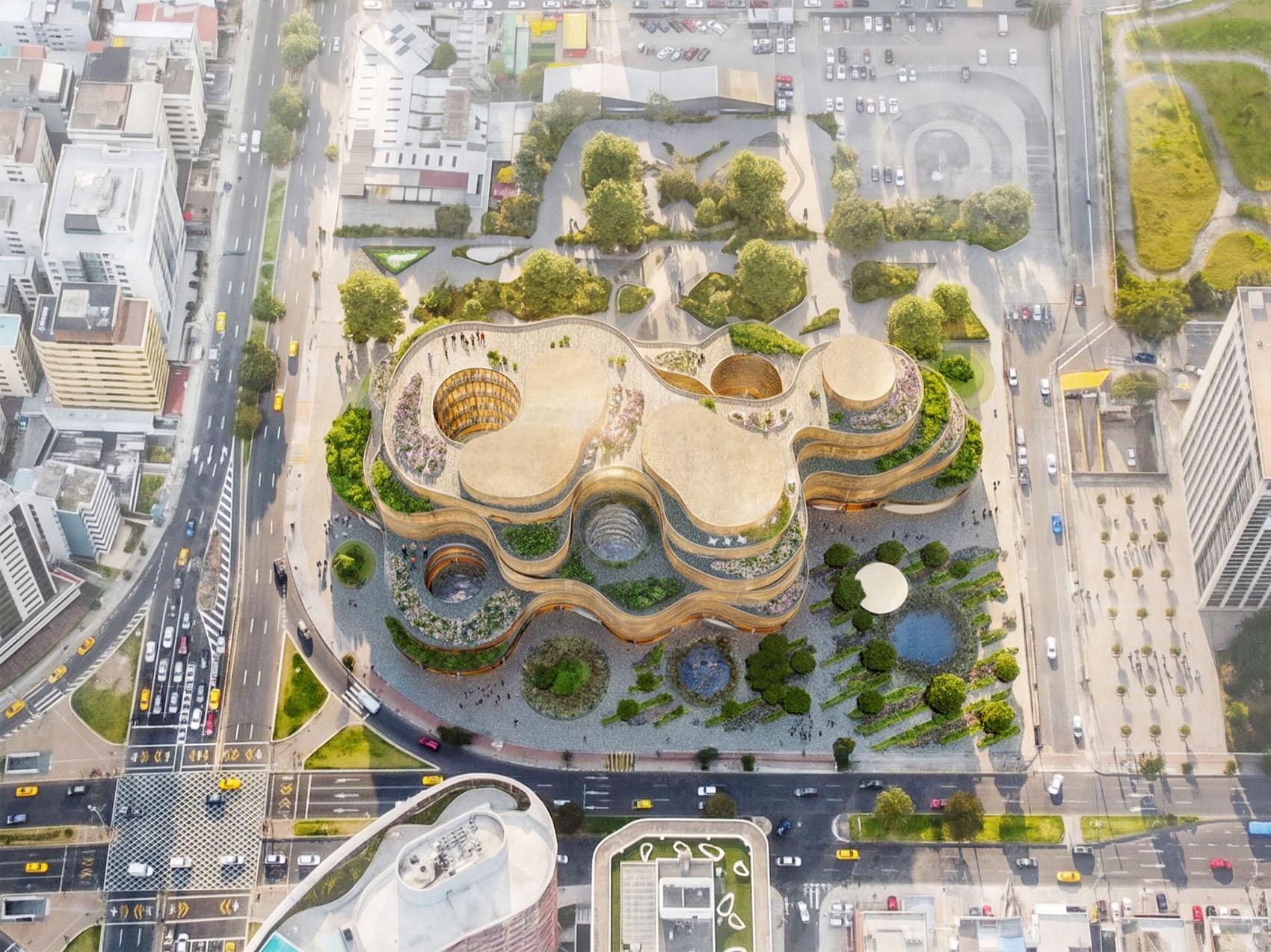
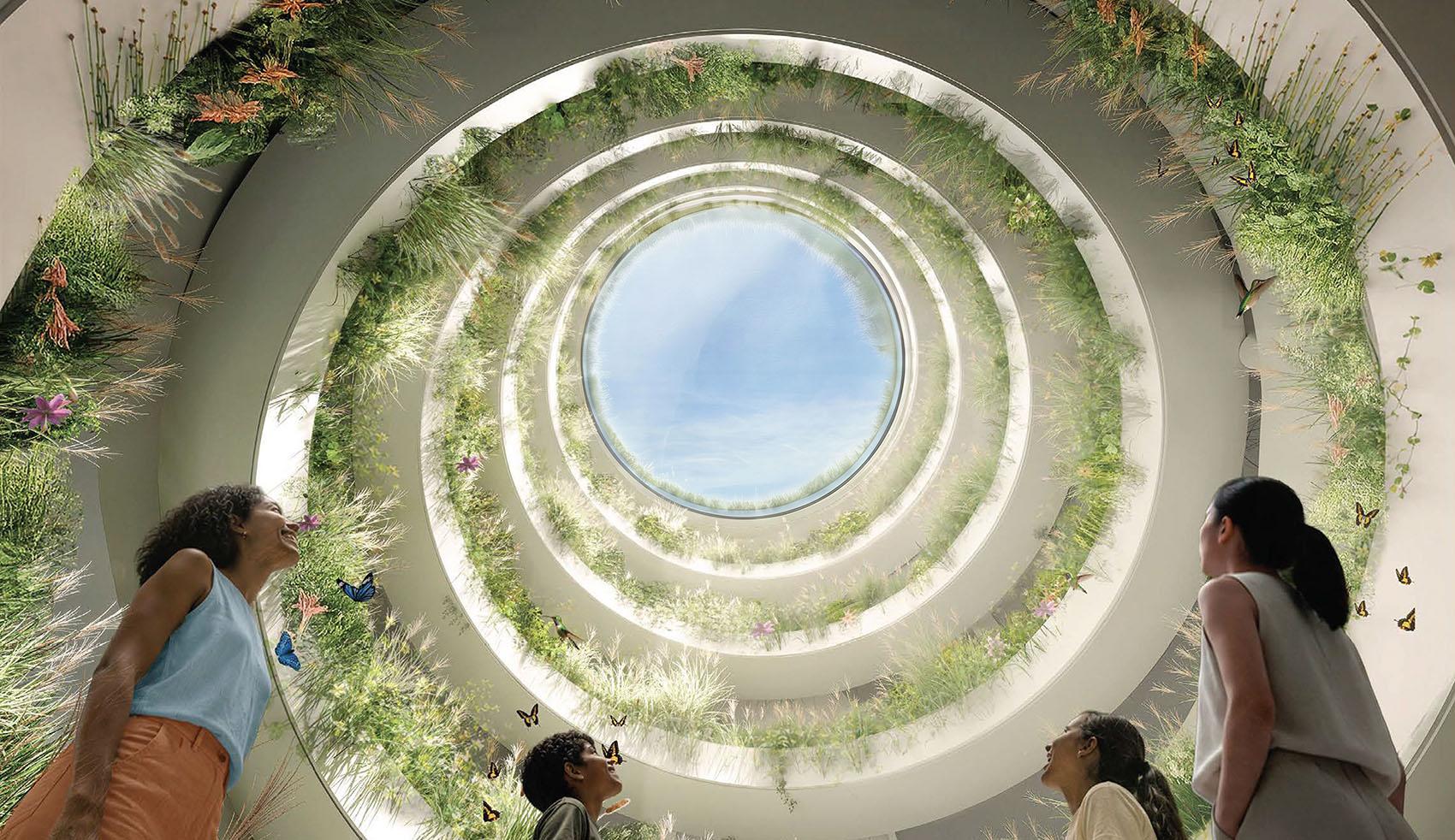
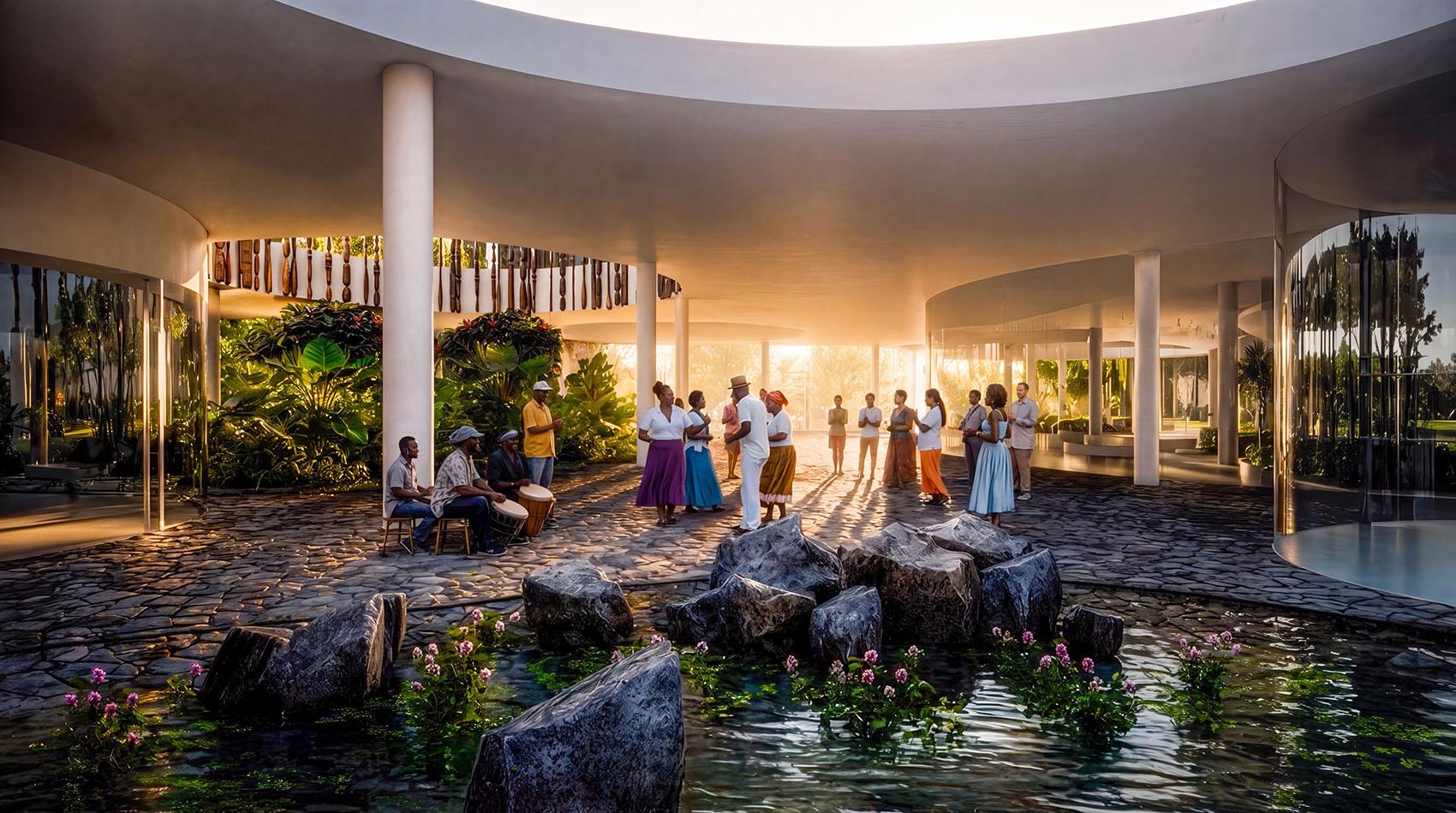
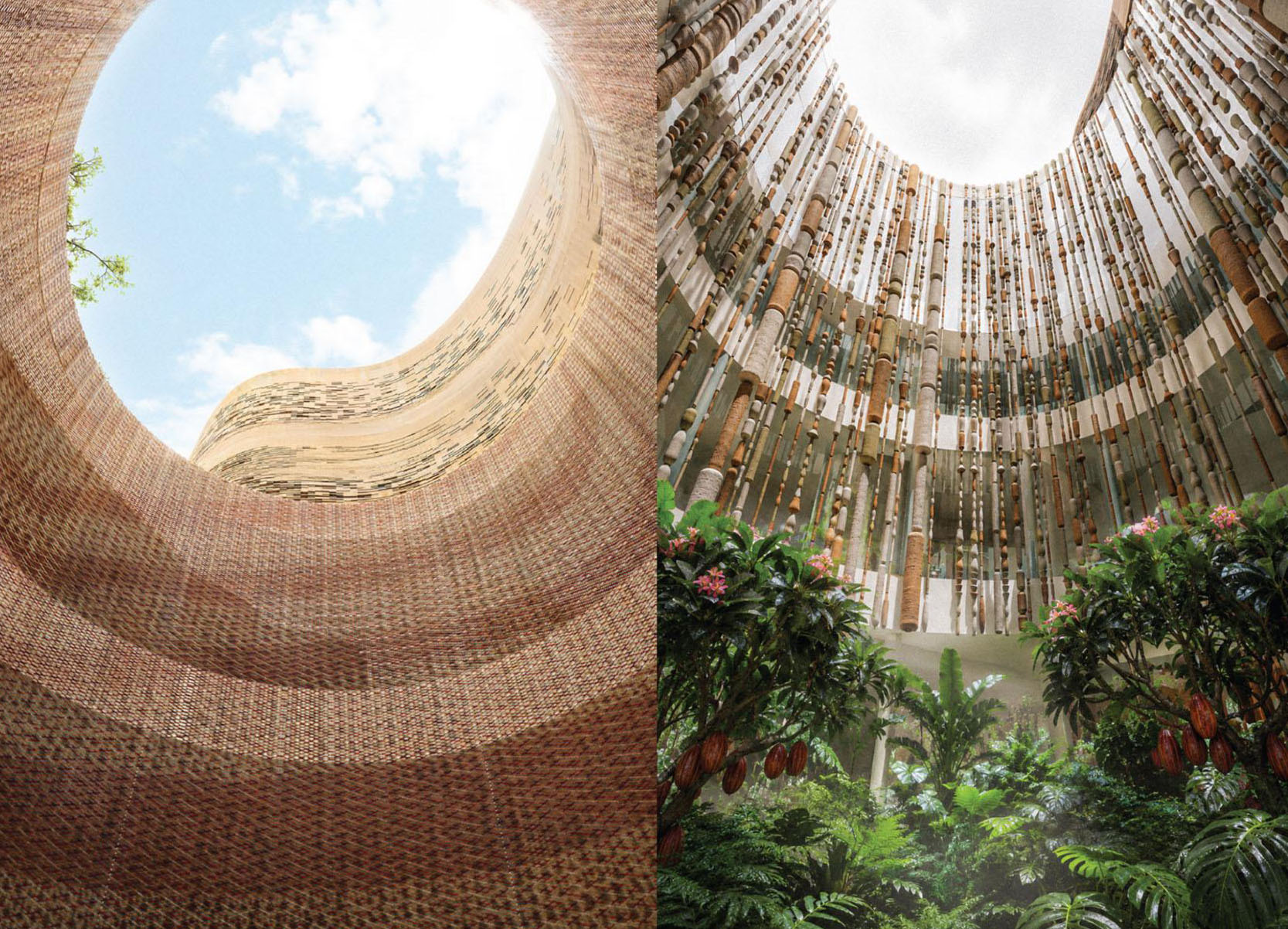
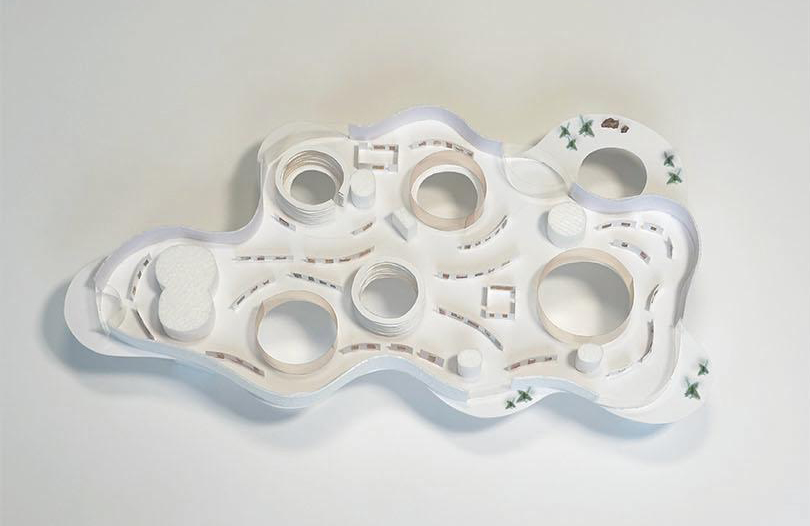
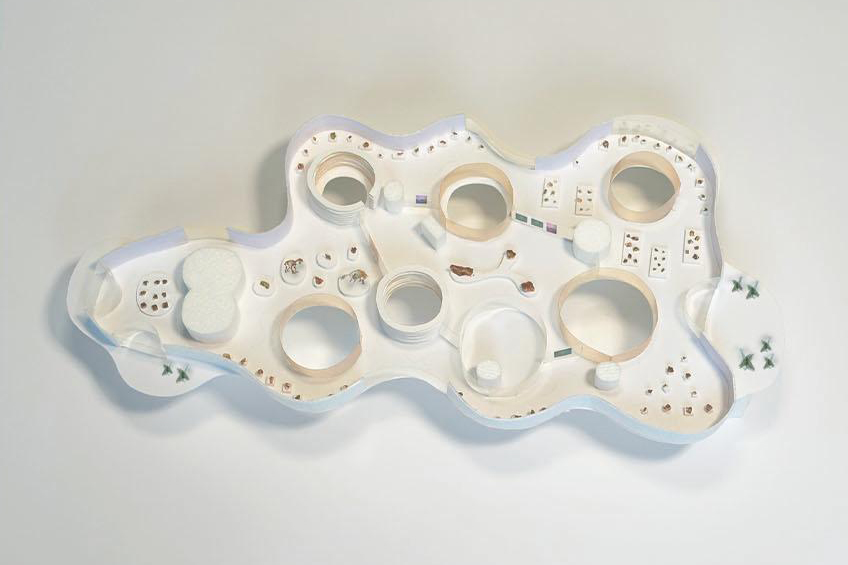
Courtyards cut through the building as contemporary reinterpretations of these traditions, linking earth and sky, the collections, and educational programs within a continuous cultural landscape. The detailed design of these courtyards are inspired by plazas and Ecuadorian archaeological sites, such as Santa Ana – La Florida, Valle del Upano, Valdivia, and Museo de Sitio Tulipe, as well as church domes, baroque altarpieces and stone facades, lattices, glazed ceramics, bone pavements of the Colonial and Republican periods.
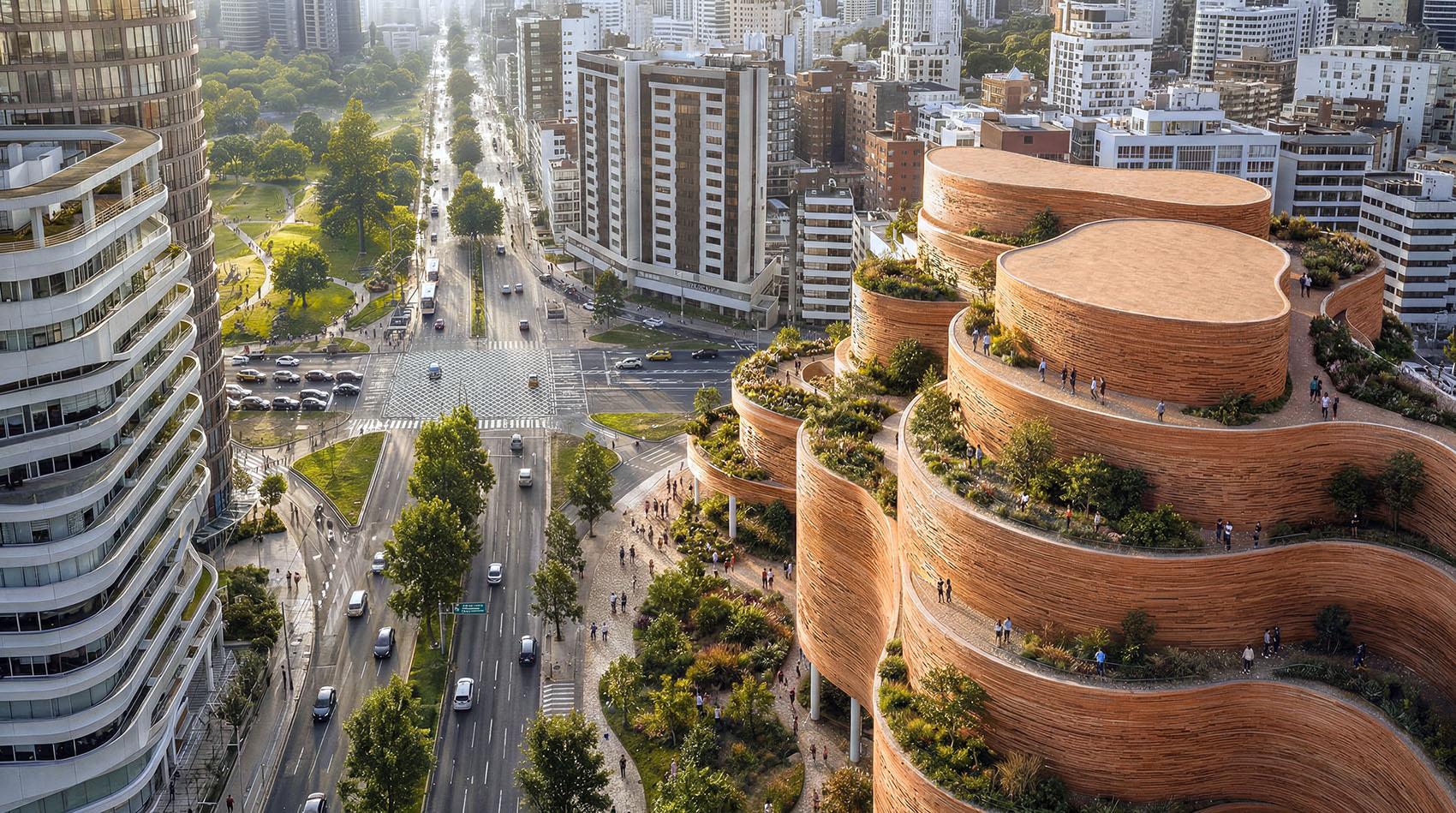
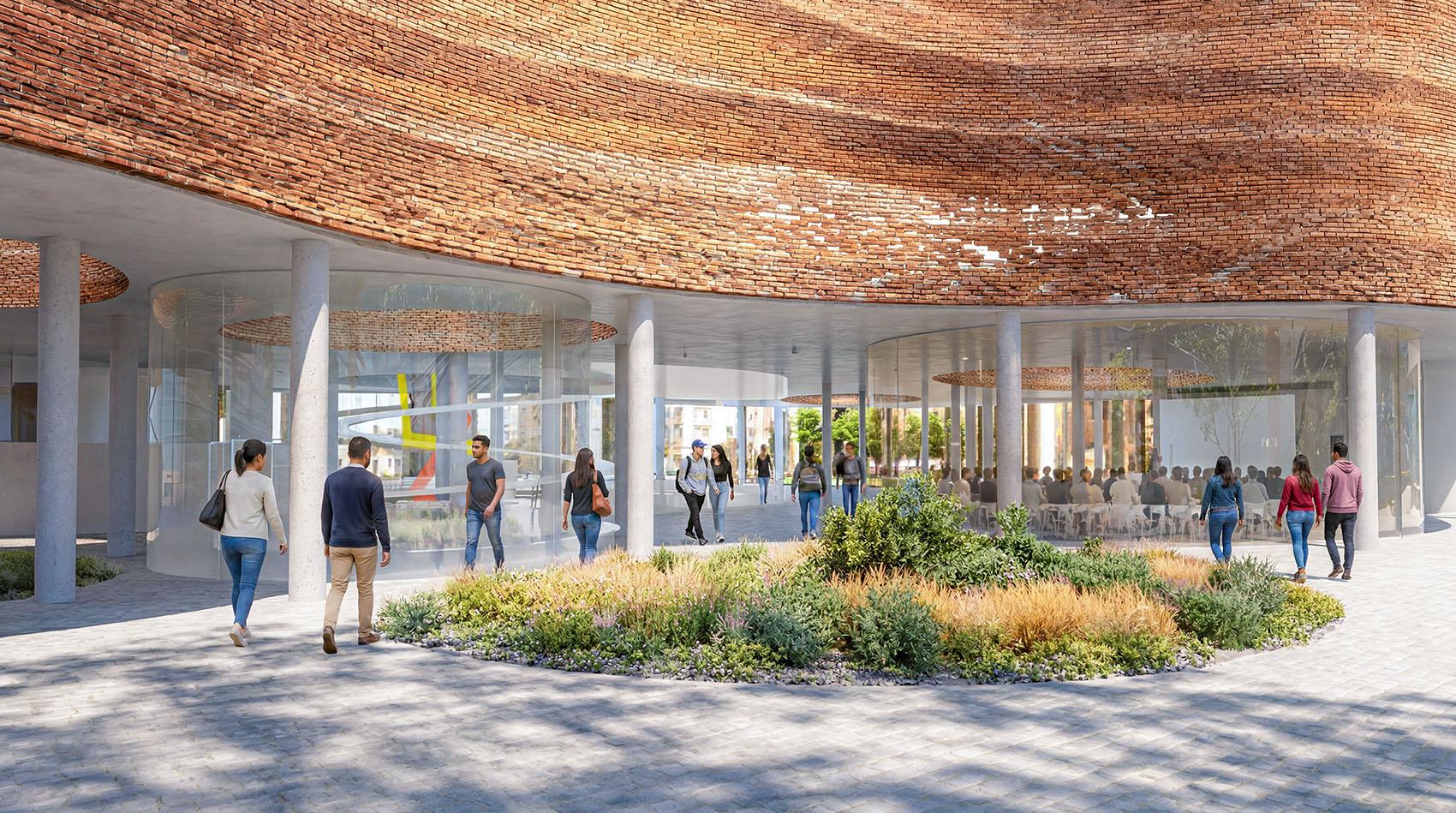
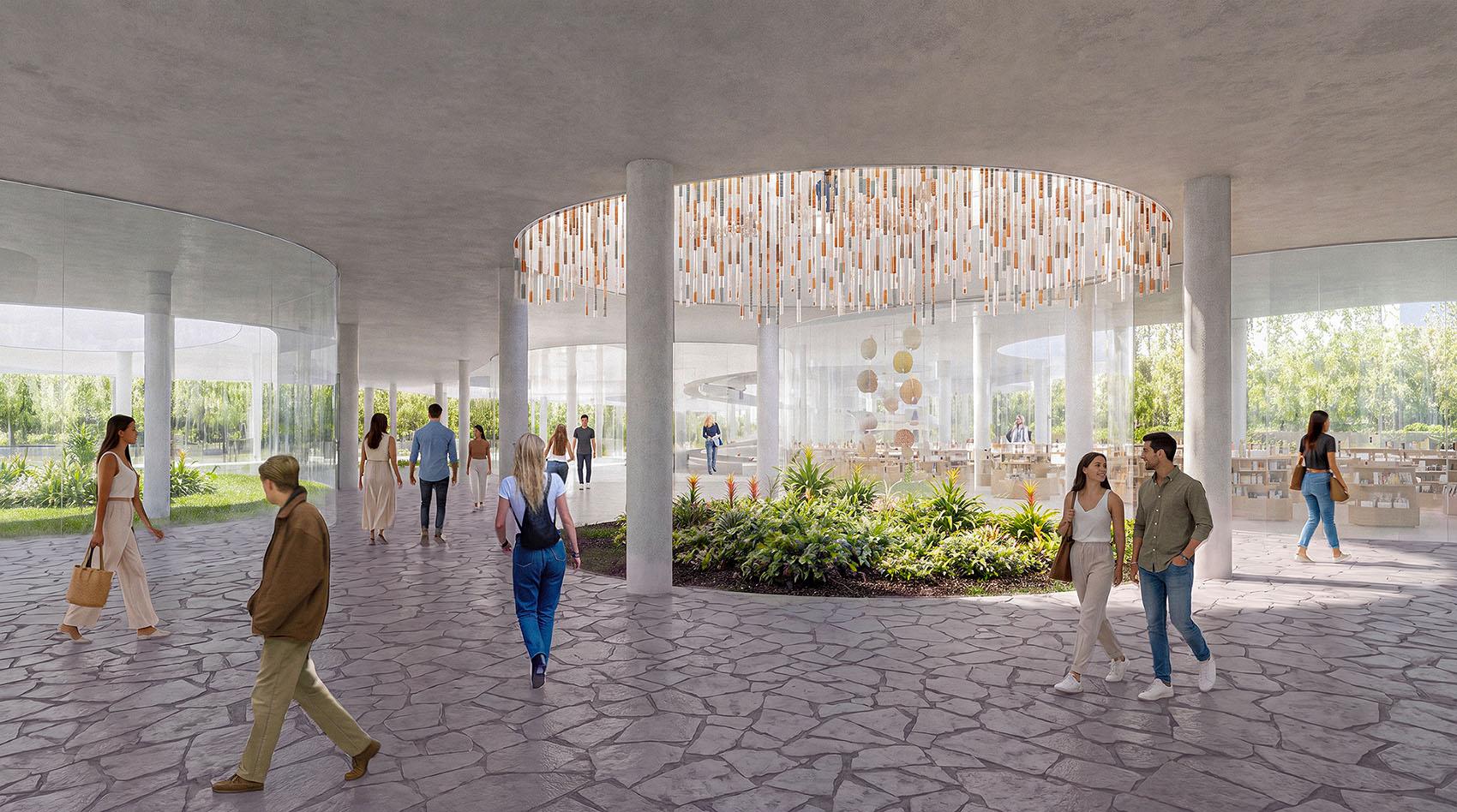
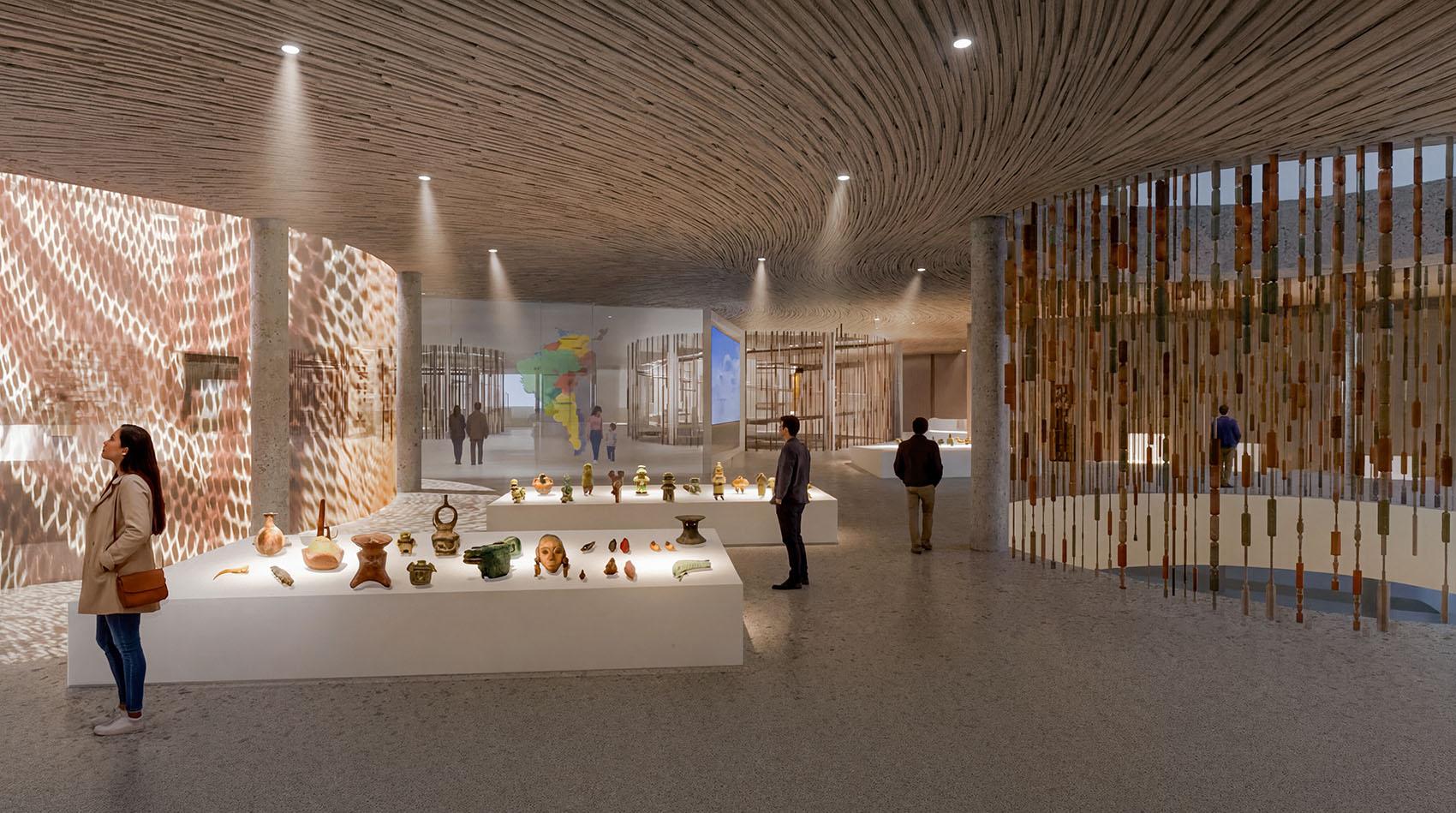
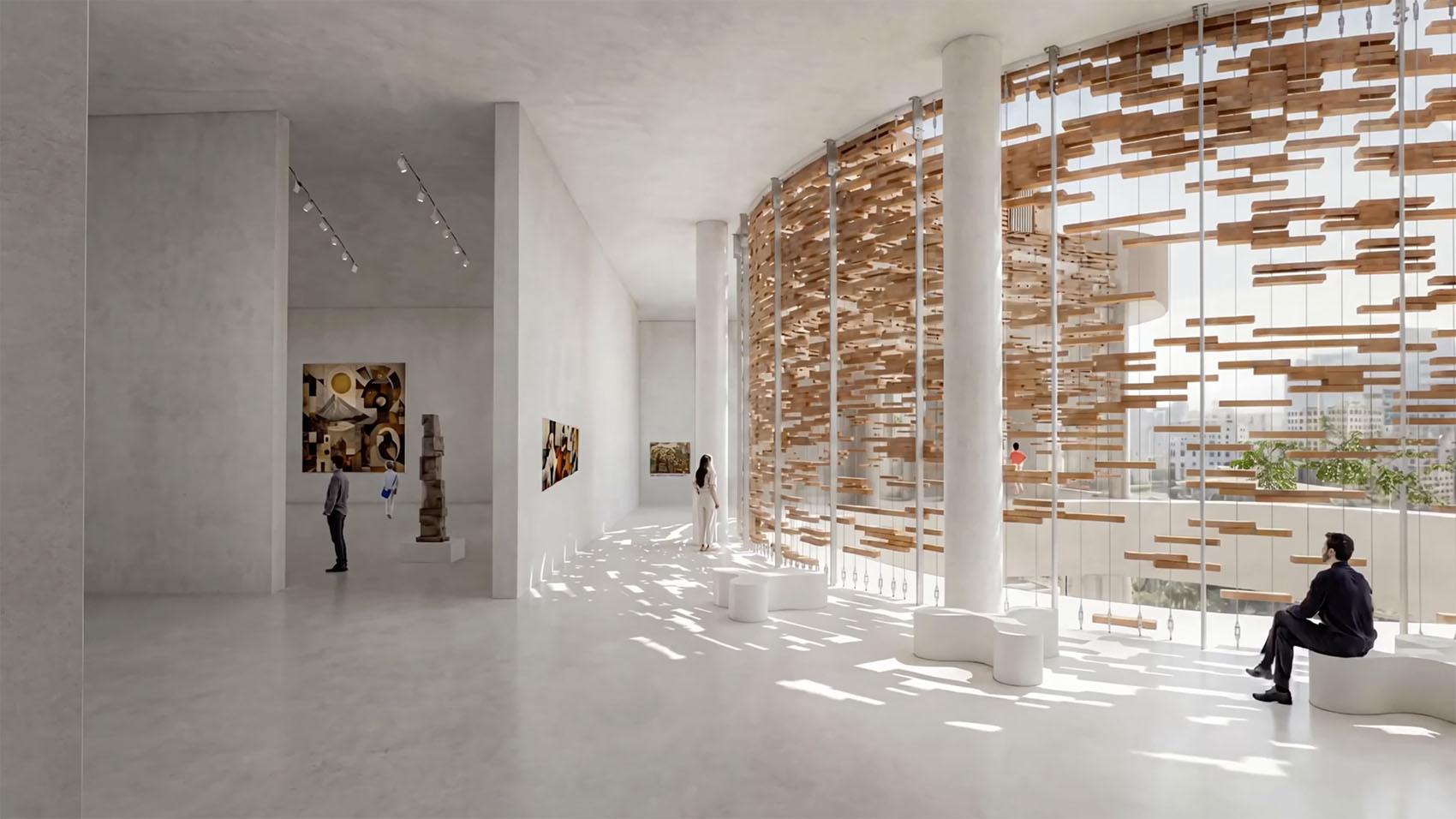
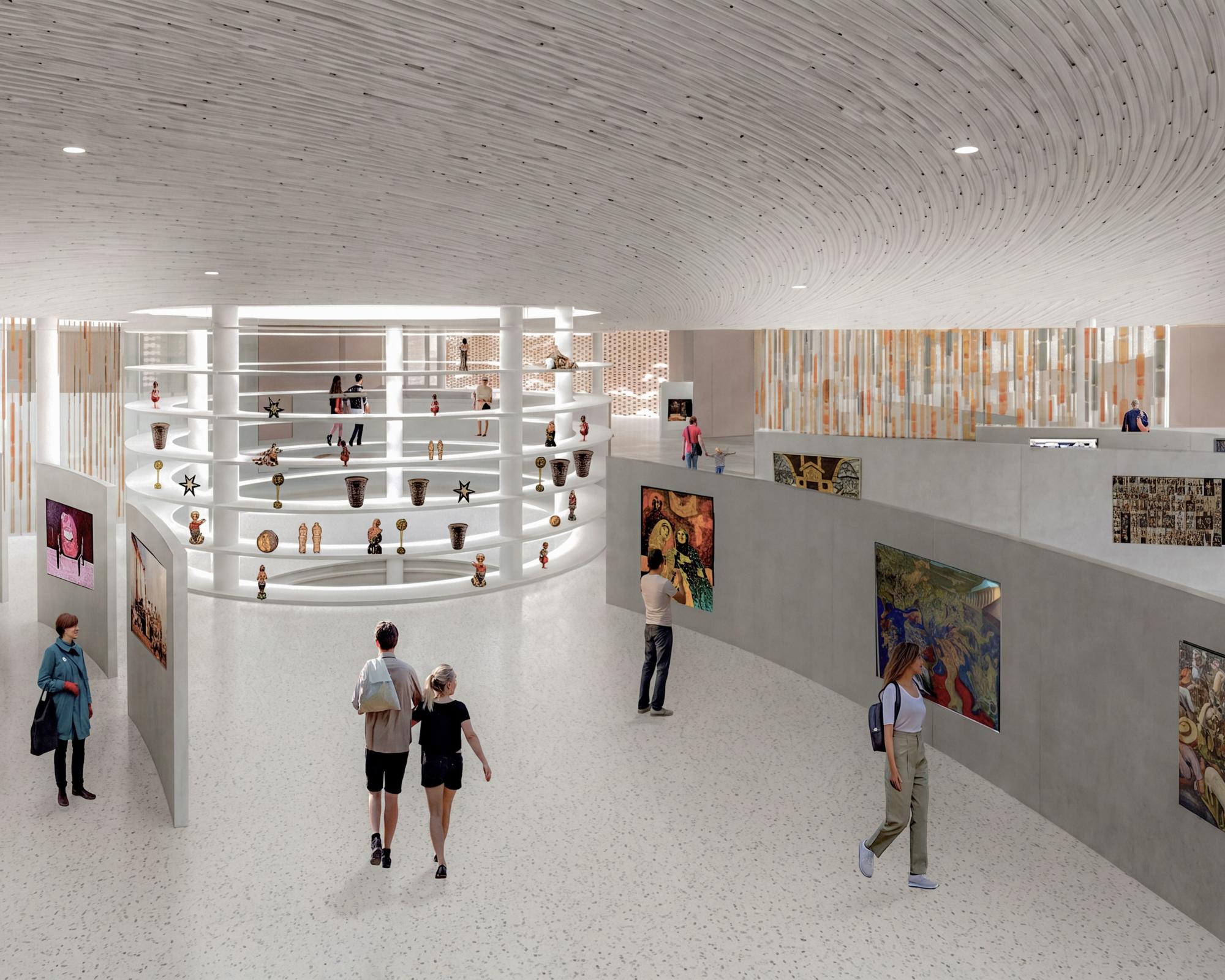
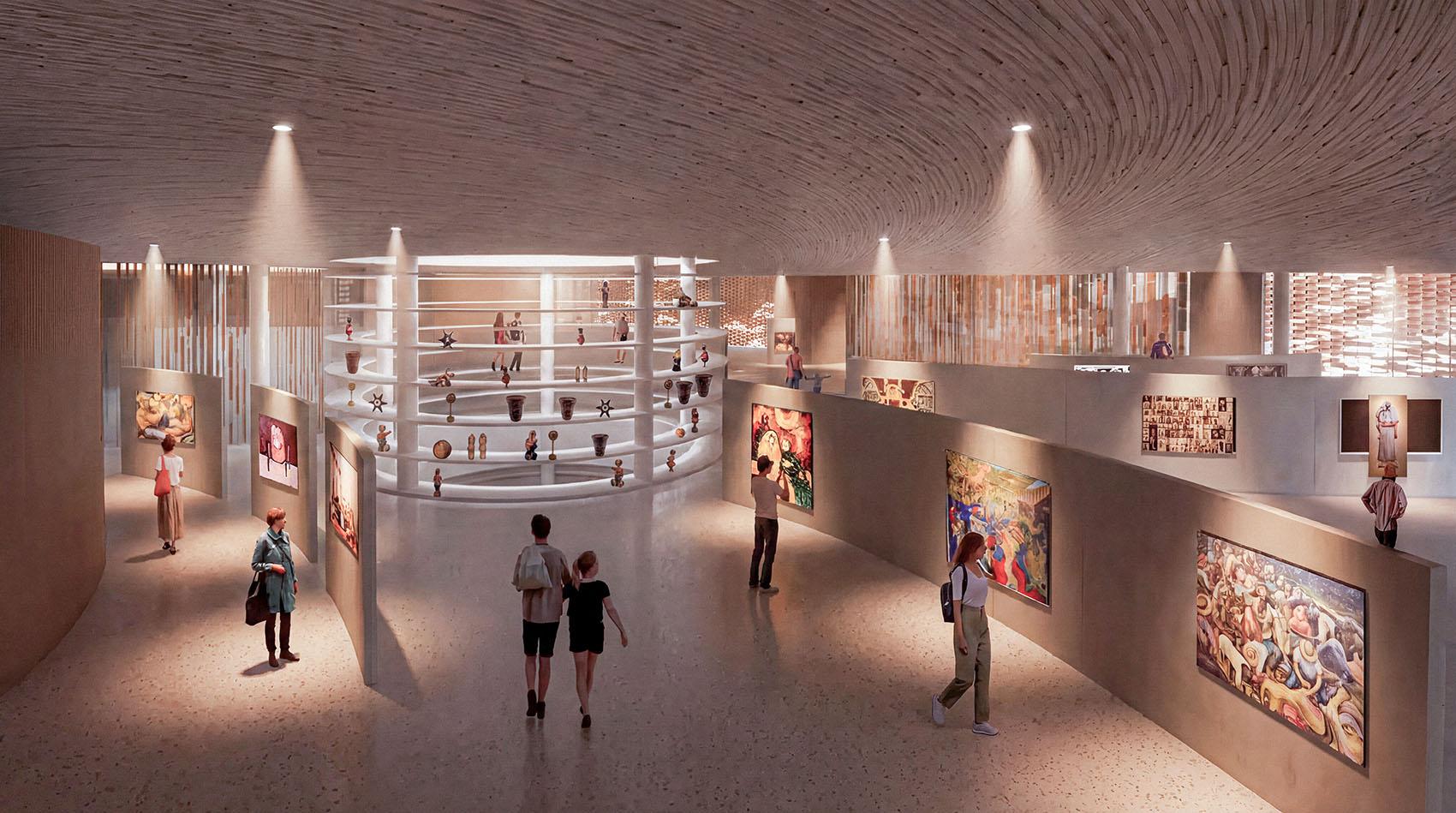
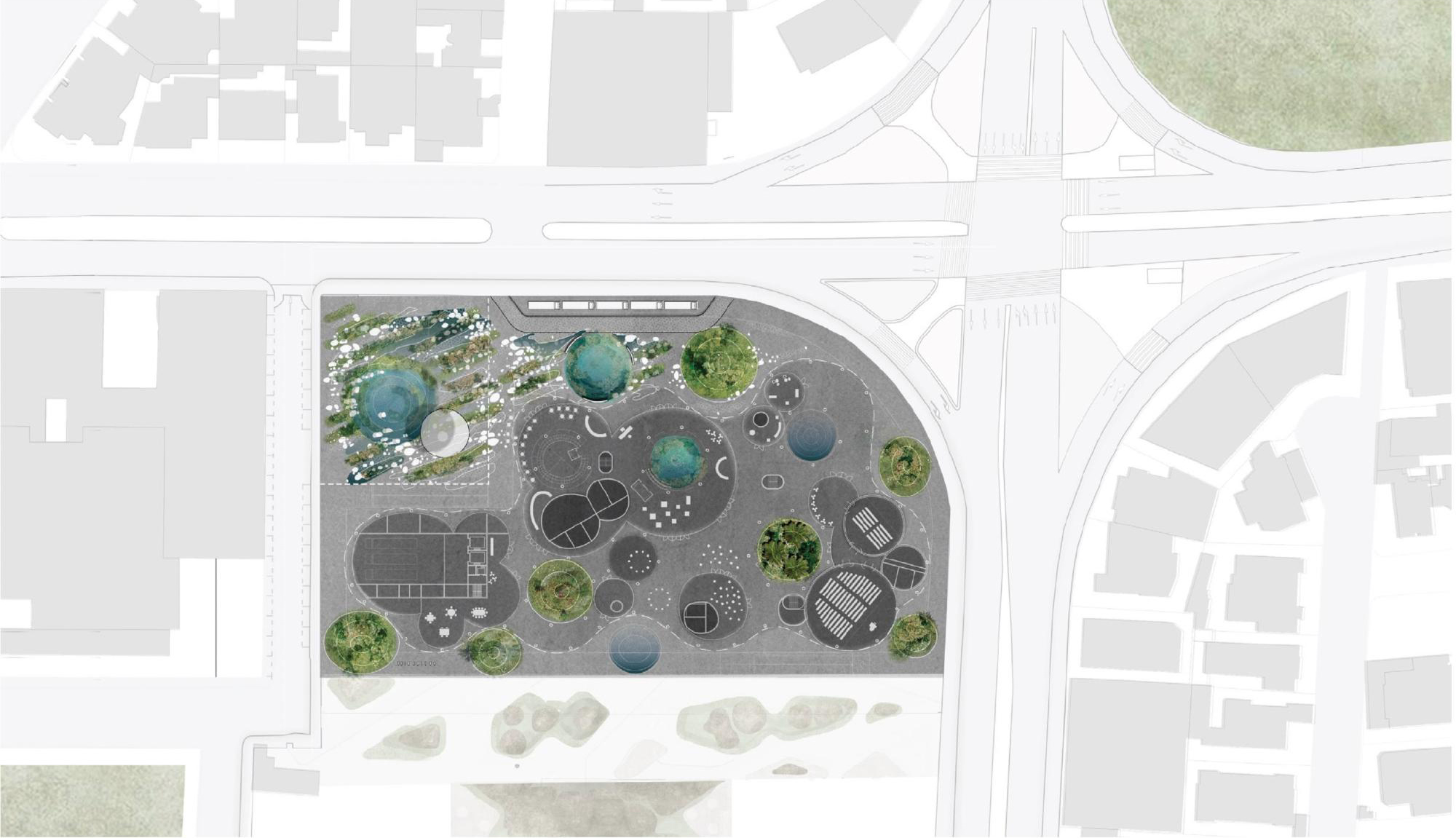
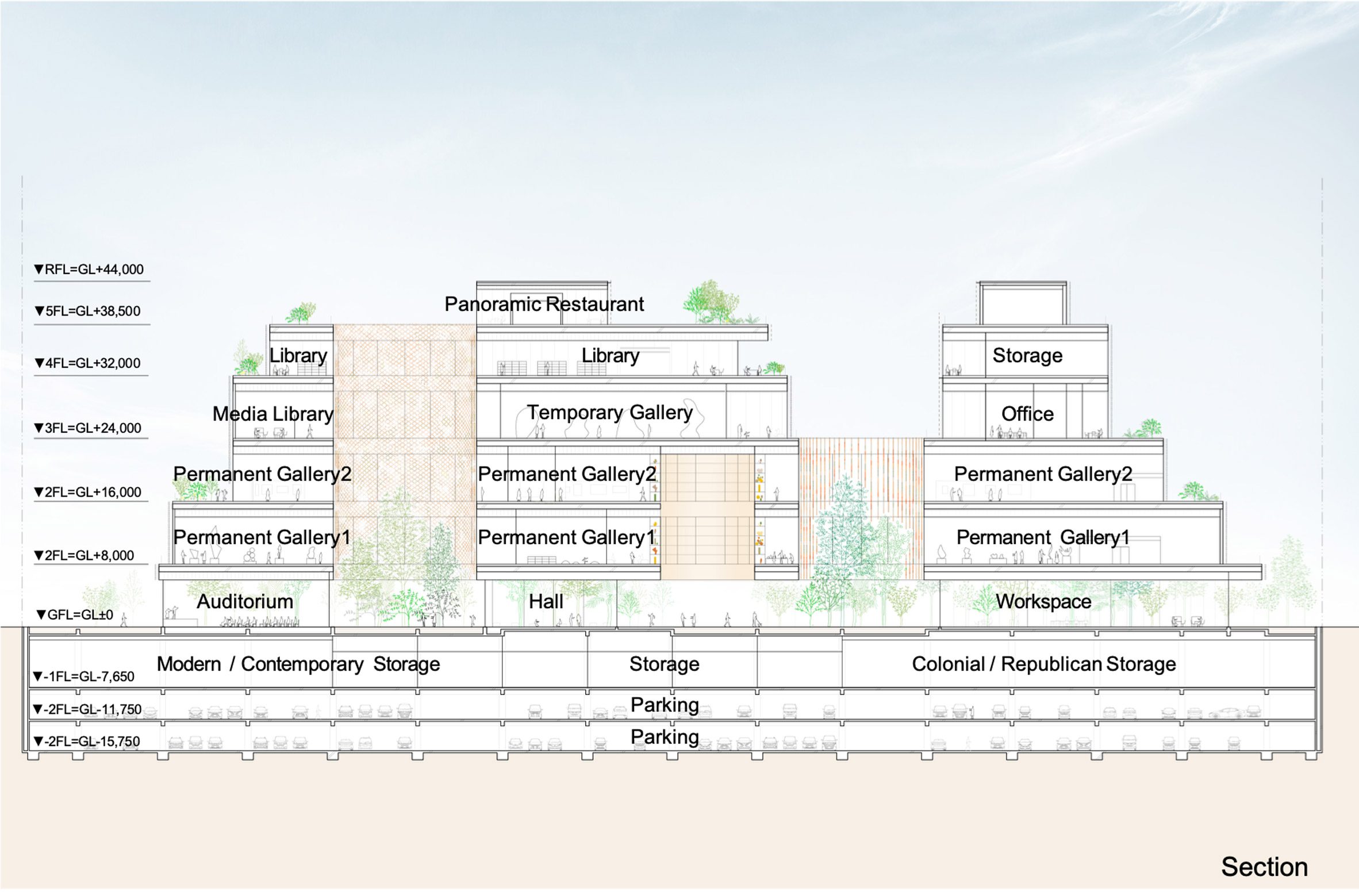
At the ground level, public programs and the museum entrance are organized as a series of islands within an open landscape – designed as an extension of nearby La Carolina Park. This open plaza experience continues up into the main gallery floors, which empty out onto large, planted terraces. These expansive, flexible galleries are conceived as a fluid spatial experience where perceptions expand and contract. The space creates moments of intimacy and openness, allowing visitors to encounter exhibitions in an immersive and dynamic way.
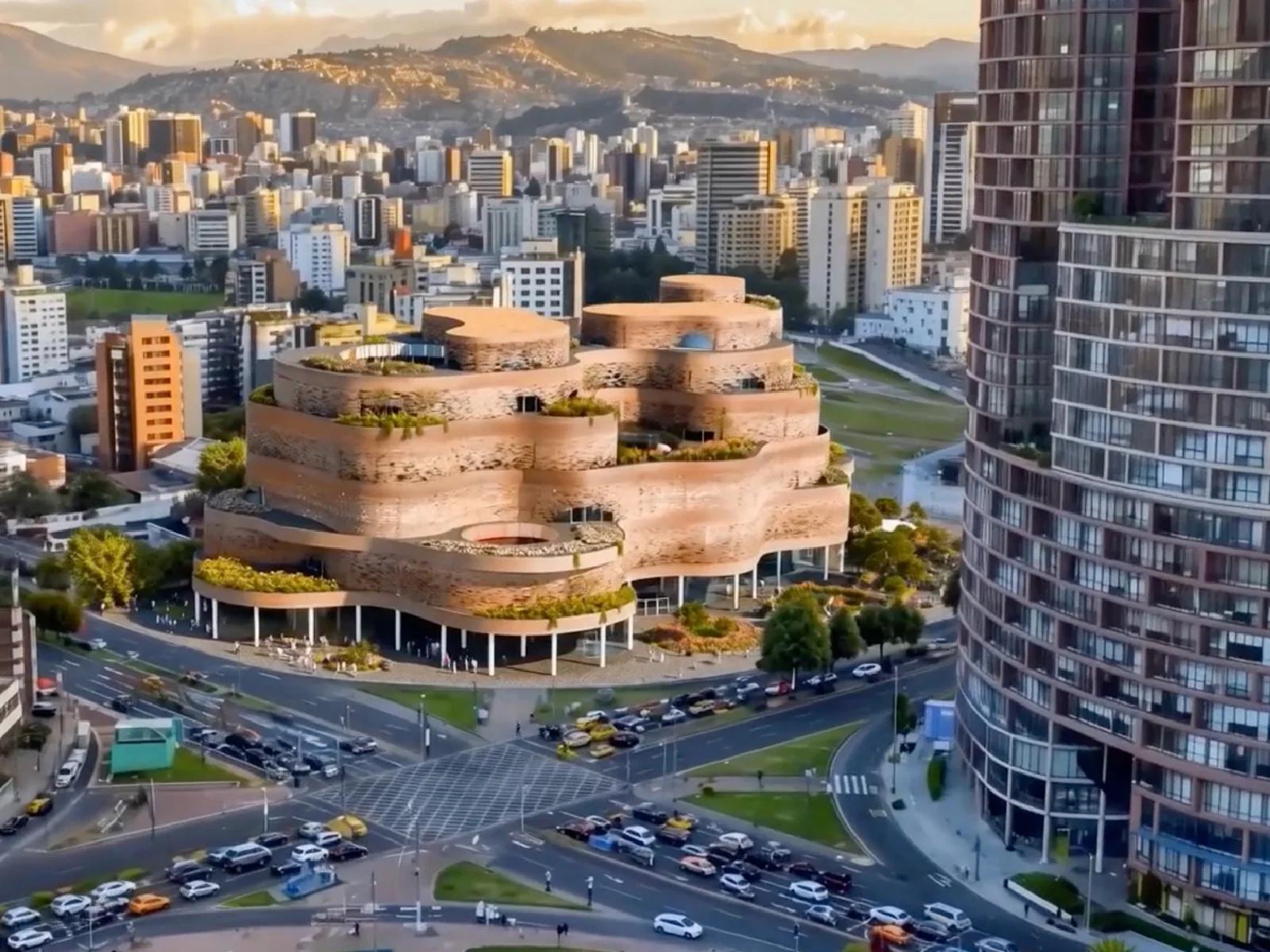
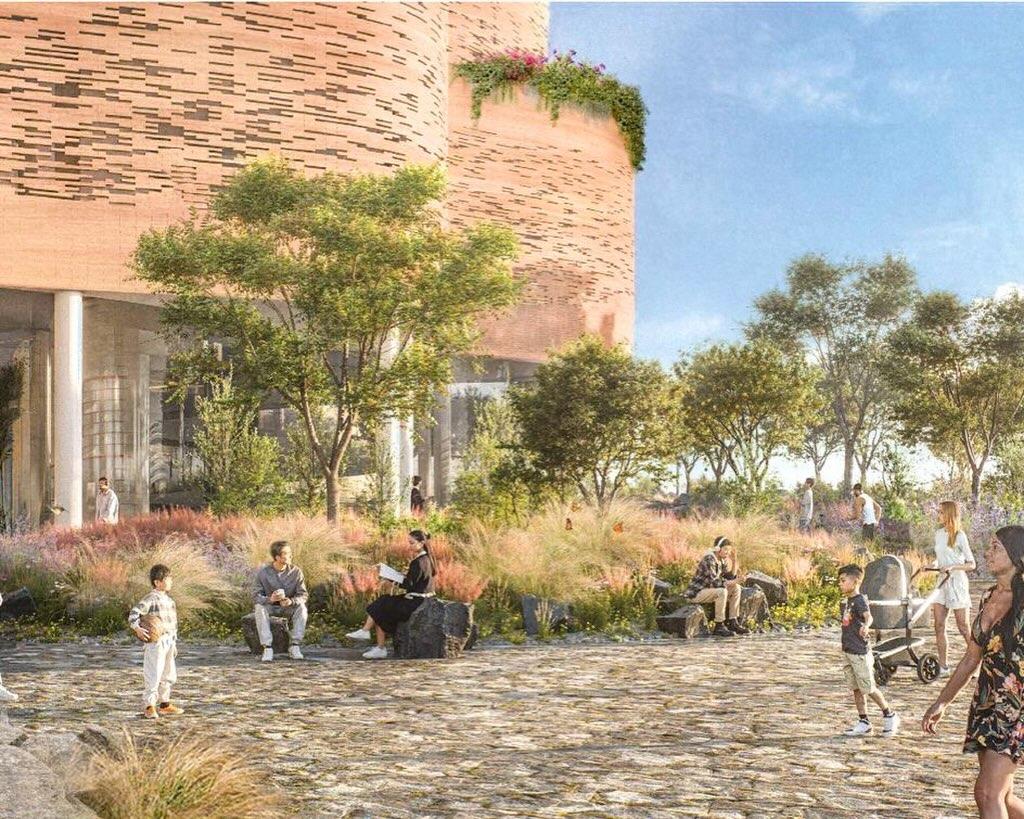
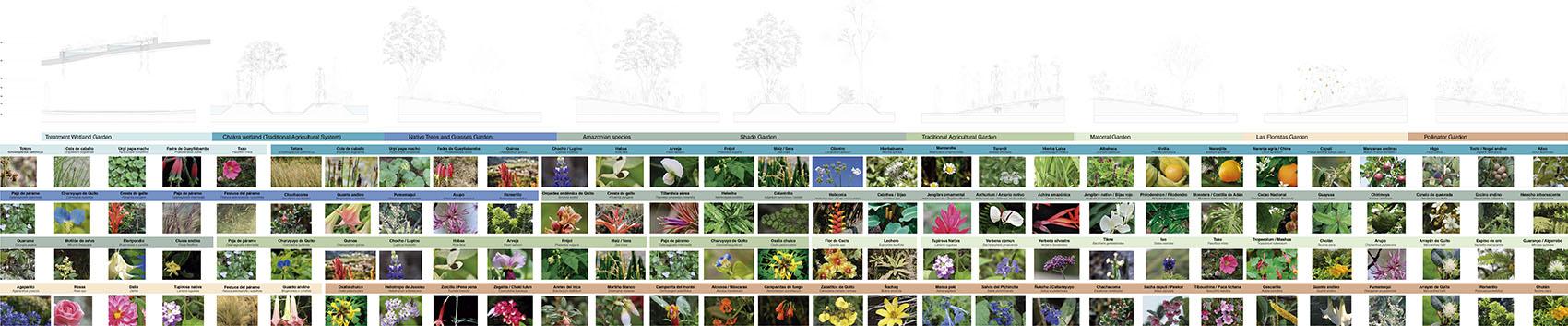
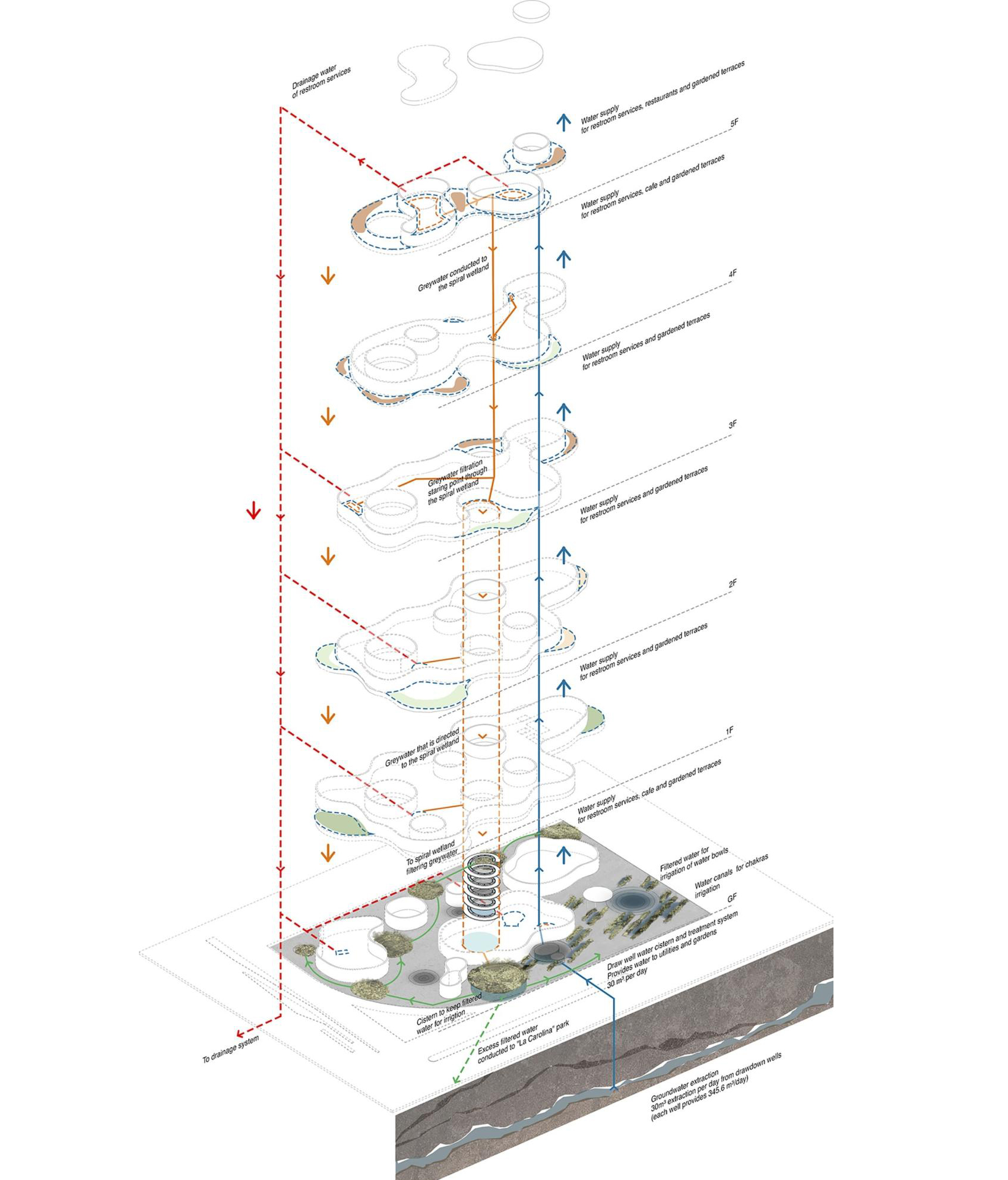
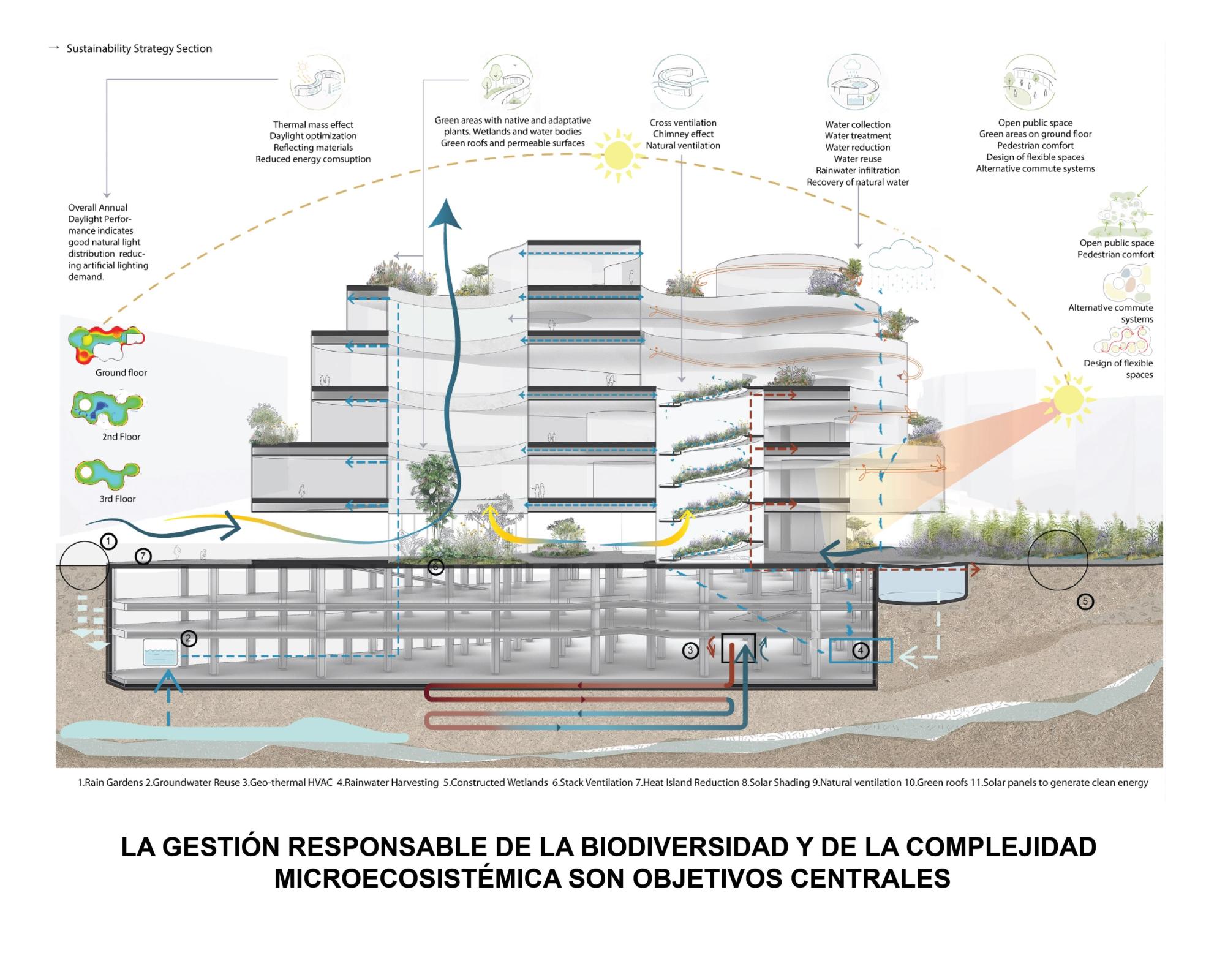
The new museum landscape links to La Carolina park, and enhances the green corridor of the valley while transforming Quito’s highland temperature, solar exposure, rainfall, and consistent daylight into design resources. The ground floor and plaza features diverse circular gardens, including “water chakras”, a traditional form of agriculture that Lake Iquitos once sustained. Key plant species in the landscape are linked to the exhibits and the narrative presented in the museography. Inside and throughout the museum’s circulation, a sequence of gardened terraces unfolds, each one populated with species belonging to a specific Andean ecosystem — high-Andean shrubland, dry interandean scrub, montane forest, páramo, and wetland. Environmentally, the project integrates passive and active strategies, minimizing resource use while optimizing the interior climate. A holistic and self-sufficient water management strategy includes rainwater harvesting, greywater reuse, constructed wetlands and water gardens for natural filtration. Natural ventilation is enhanced through the courtyards’ stacked airflow effect.
The project marks an exciting evolution in museum design today both regionally and internationally. The building is a celebration of three treasures: the country and Land of Ecuador, the Museum collection itself, and finally the people of Ecuador. The project encourages locals and tourists alike to meet and to see each other and the shared history through the collection. With the help of museum consultants DVDL and Monica Vorbeck and echoing refreshing thinking in the design community, the design engages ideas of holistic public access and hospitality, removing barriers to the museum experience.
Source: TETRO Arquitetura
m i l i m e t d e s i g n – w h e r e t h e c o n v e r g e n c e o f u n i q u e c r e a t i v e s
m i l i m e t d e s i g n – w h e r e t h e c o n v e r g e n c e o f u n i q u e c r e a t i v e s











Since 2009. Copyright © 2026 milimetdesign. All rights reserved. Contact: milimetdesign@milimet.com