
Dahecun National Archaeological Site Park and Dehecun Site Museum design by CADG
© CADG
© CADG
© CADG

© CADG

© CADG
Project: Dahecun National Archaeological Site Park and Dehecun Site Museum
Location: CADG
Architects: China Architecture Design & Research Group
Area: 19977 m²
Year: 2025
Photographs: Xiang Li, Haoquan Wang
Lead Architects: Chen Tongbin, Jing Quan, Xu Yuanqing
Location: CADG
Architects: China Architecture Design & Research Group
Area: 19977 m²
Year: 2025
Photographs: Xiang Li, Haoquan Wang
Lead Architects: Chen Tongbin, Jing Quan, Xu Yuanqing
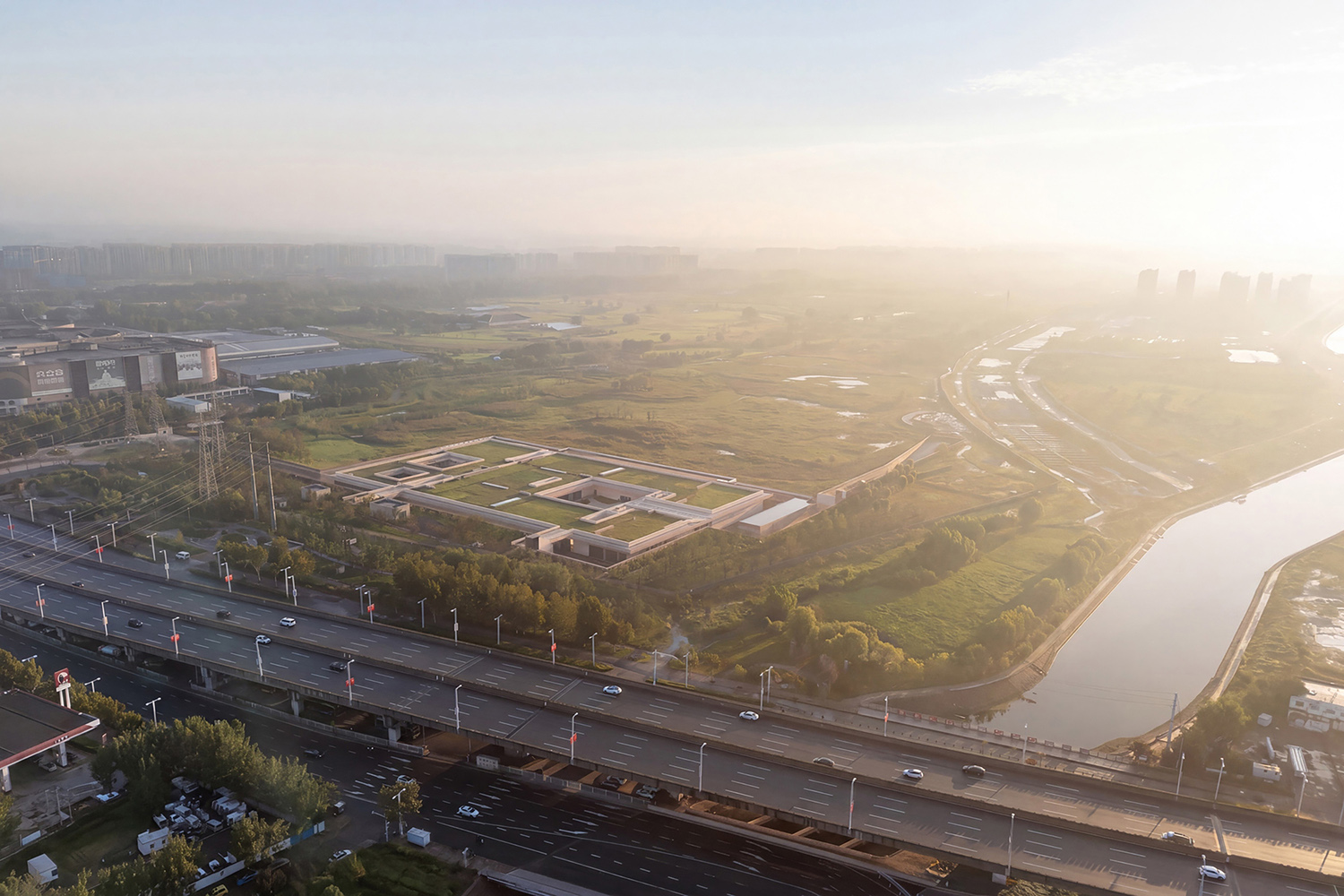
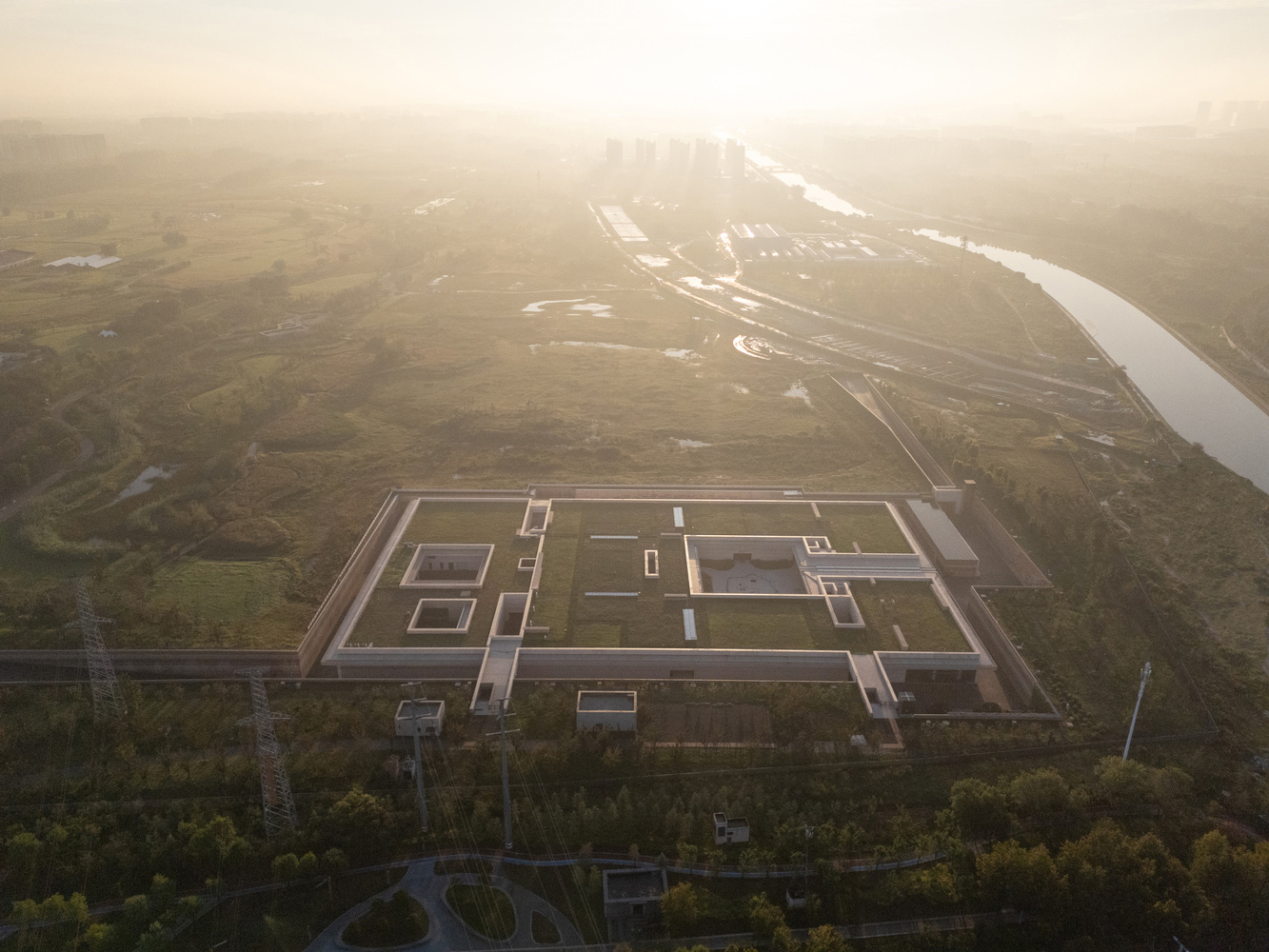
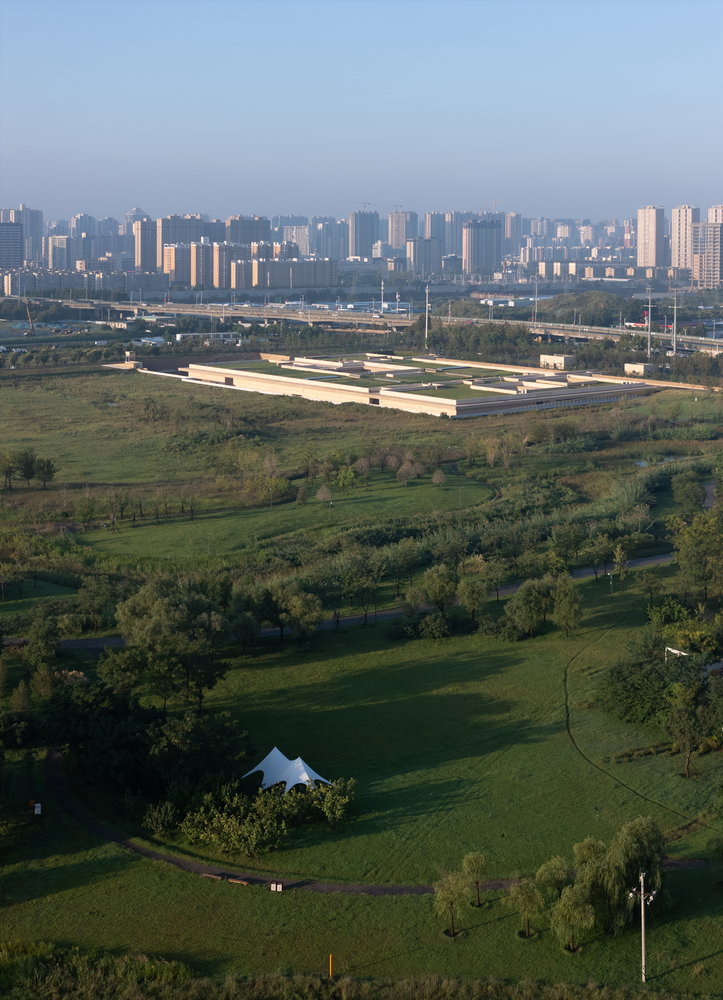
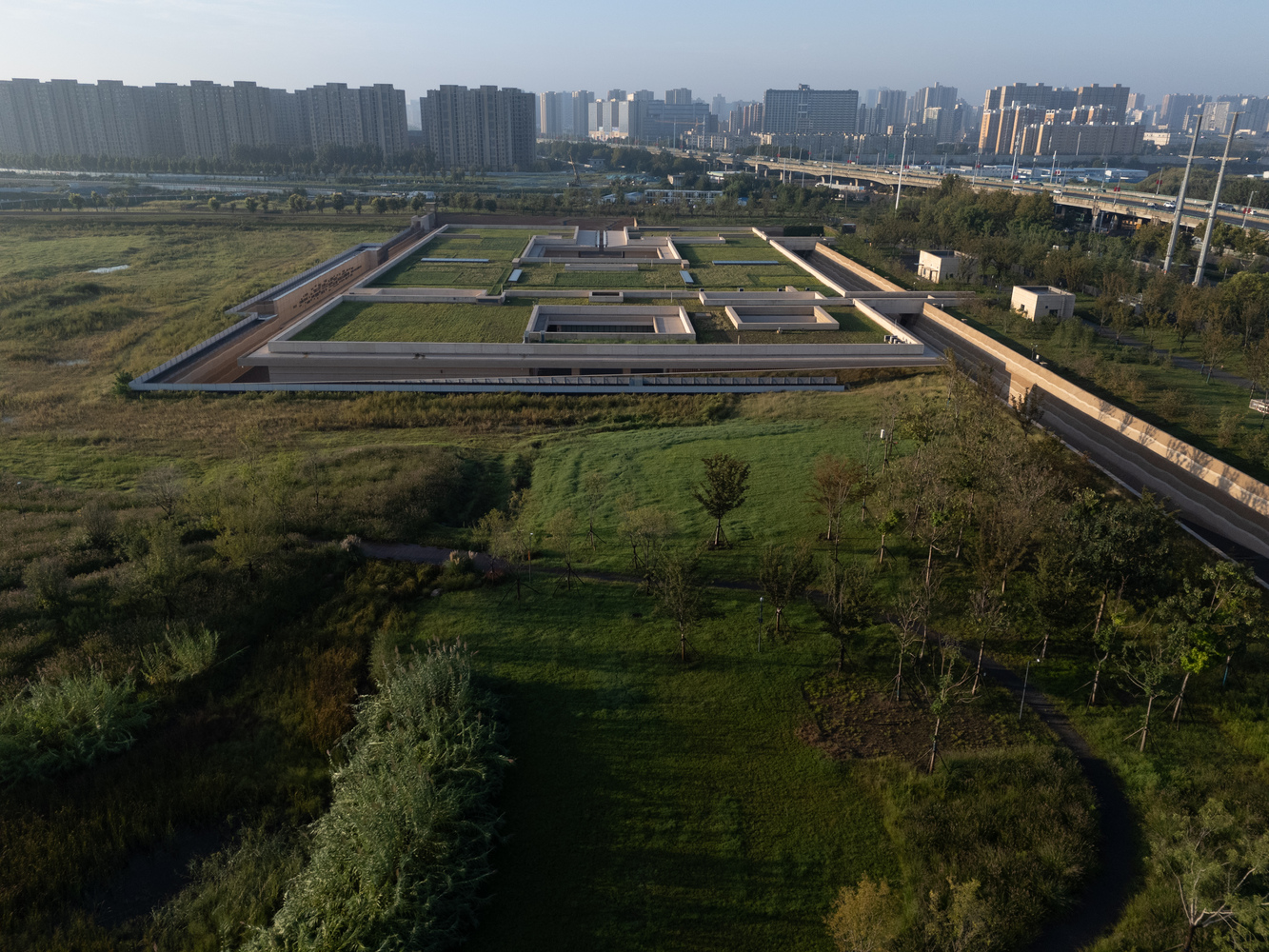
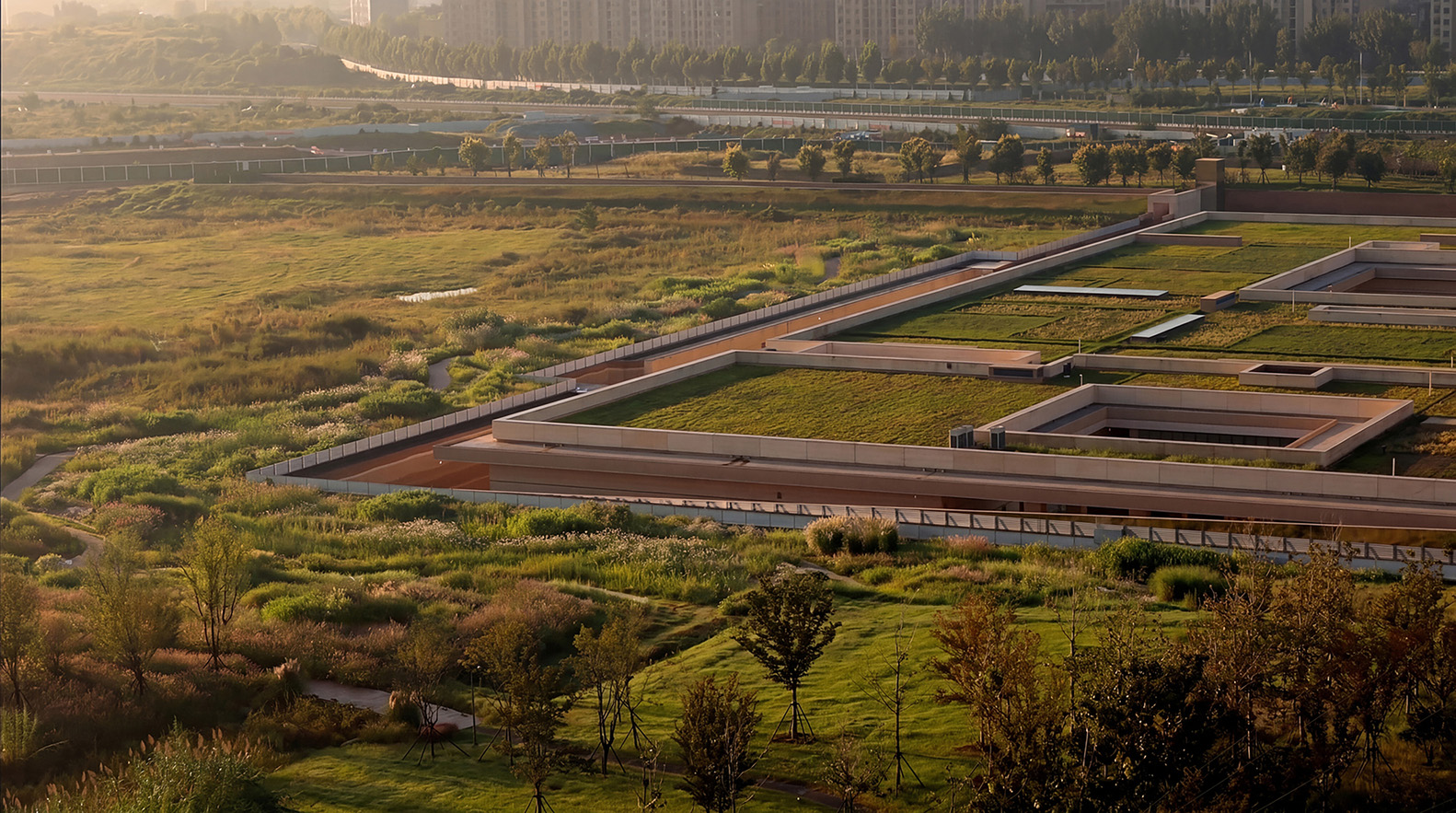
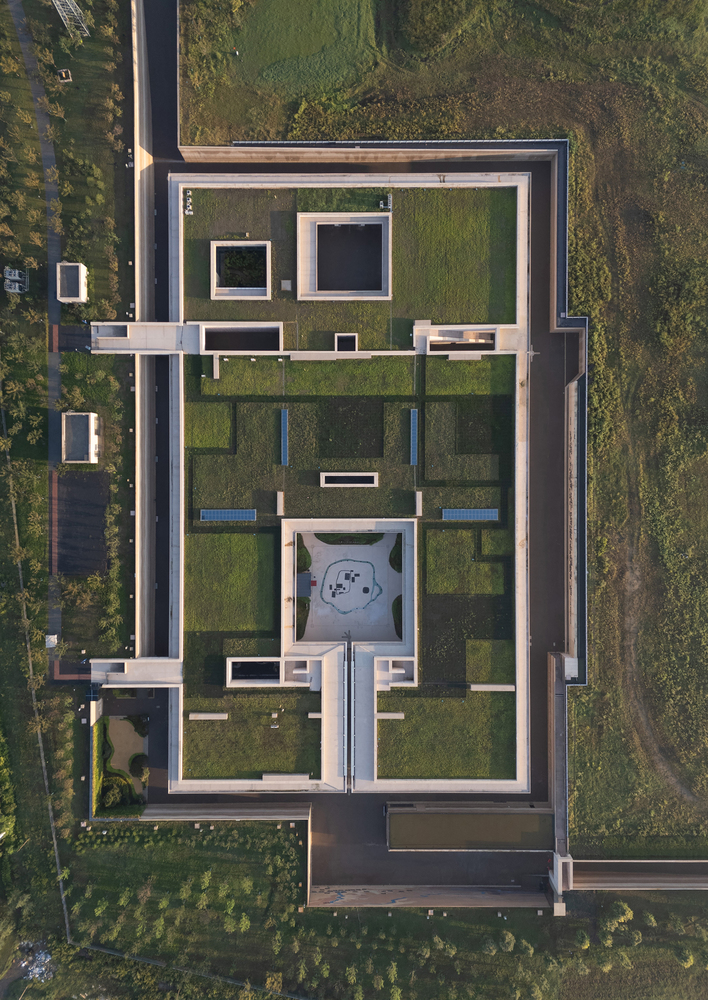
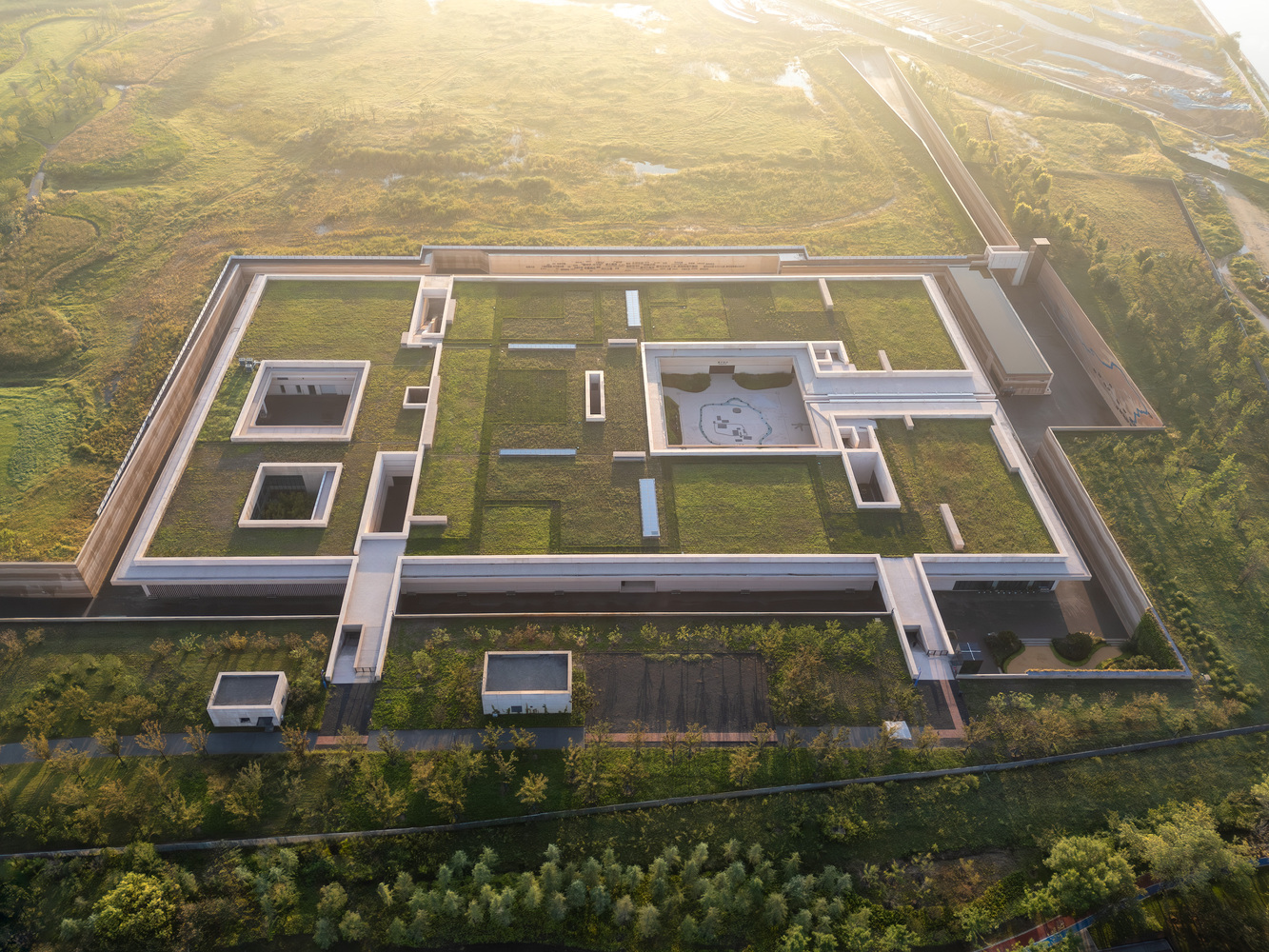
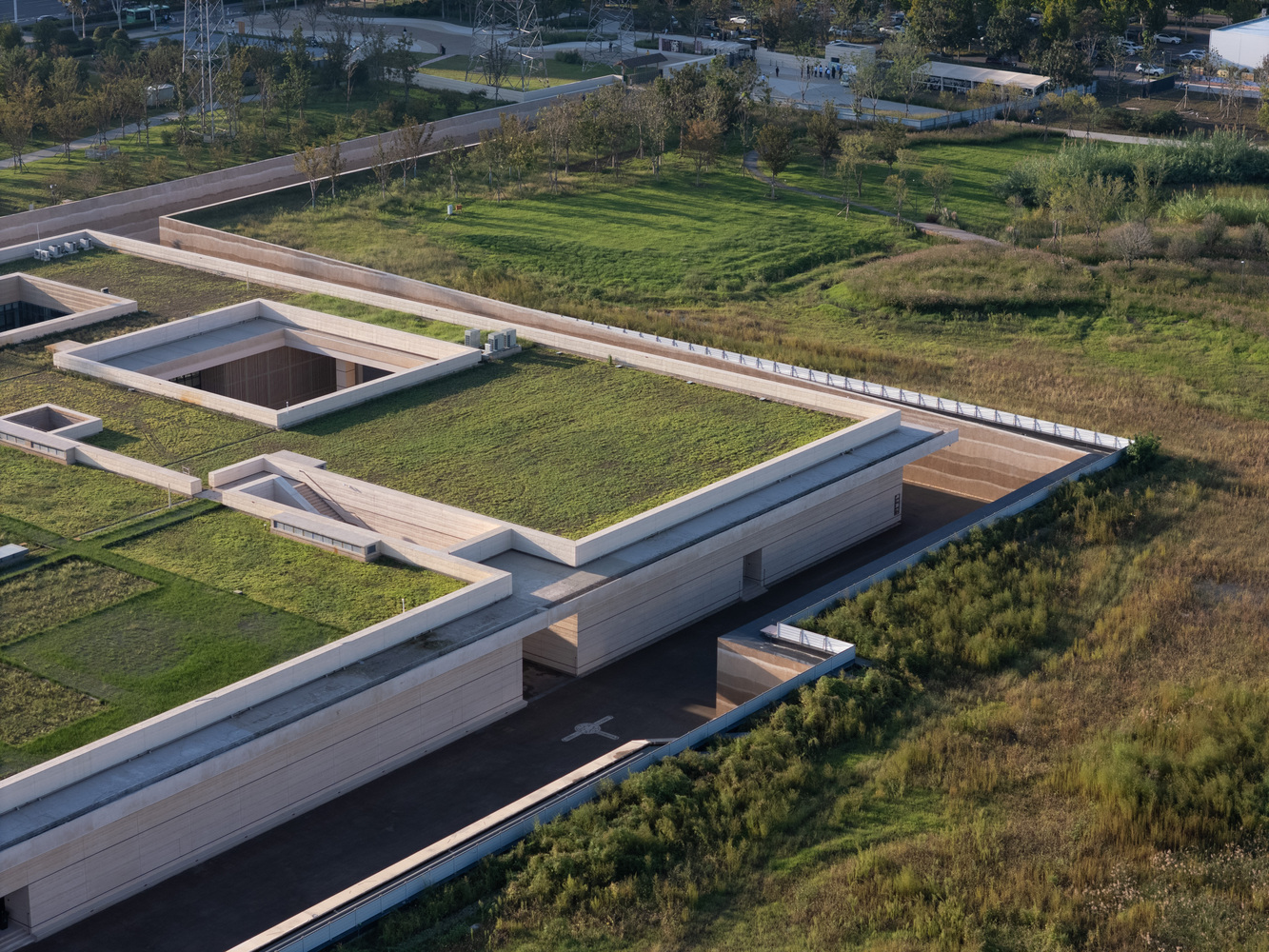
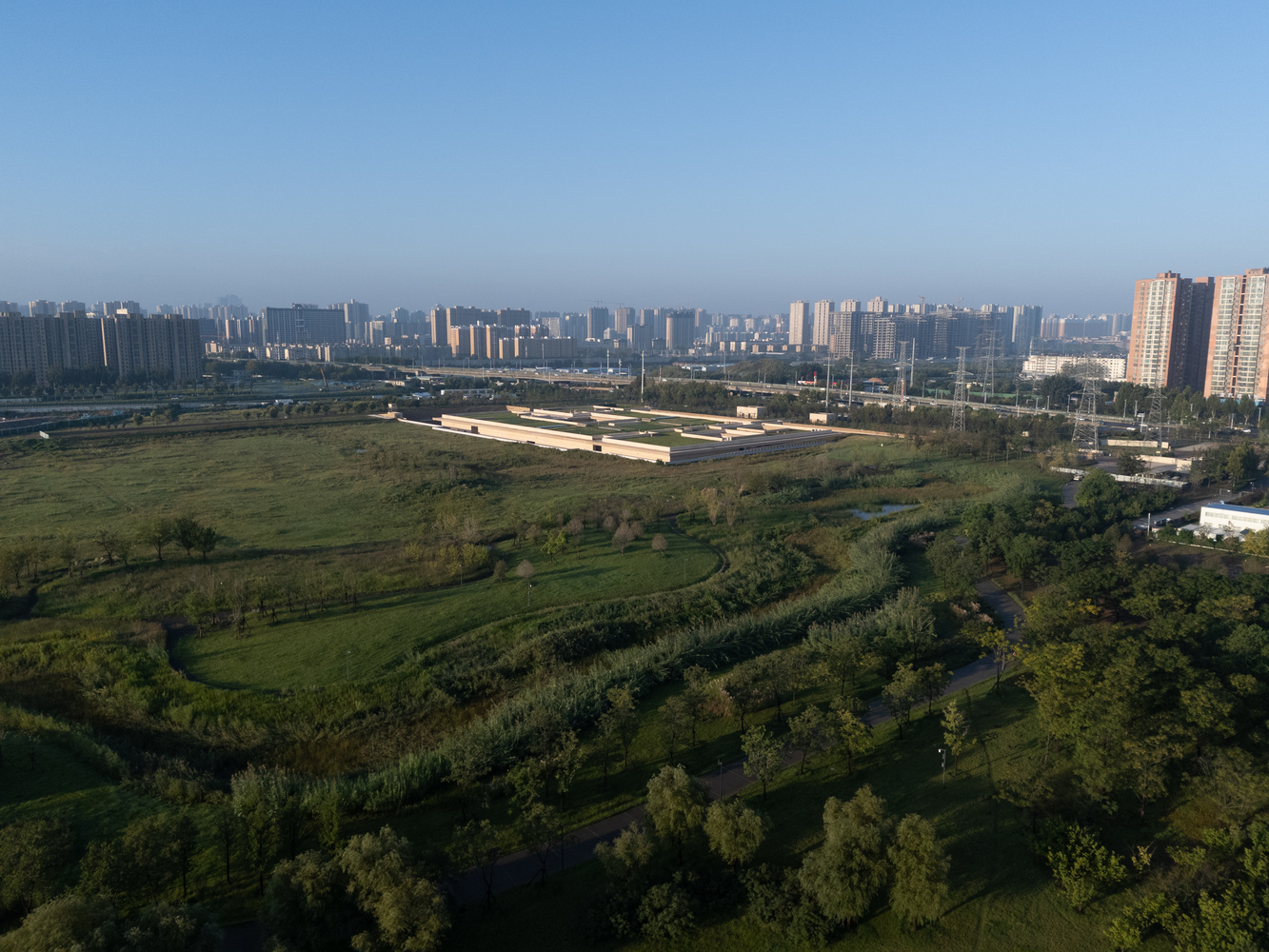
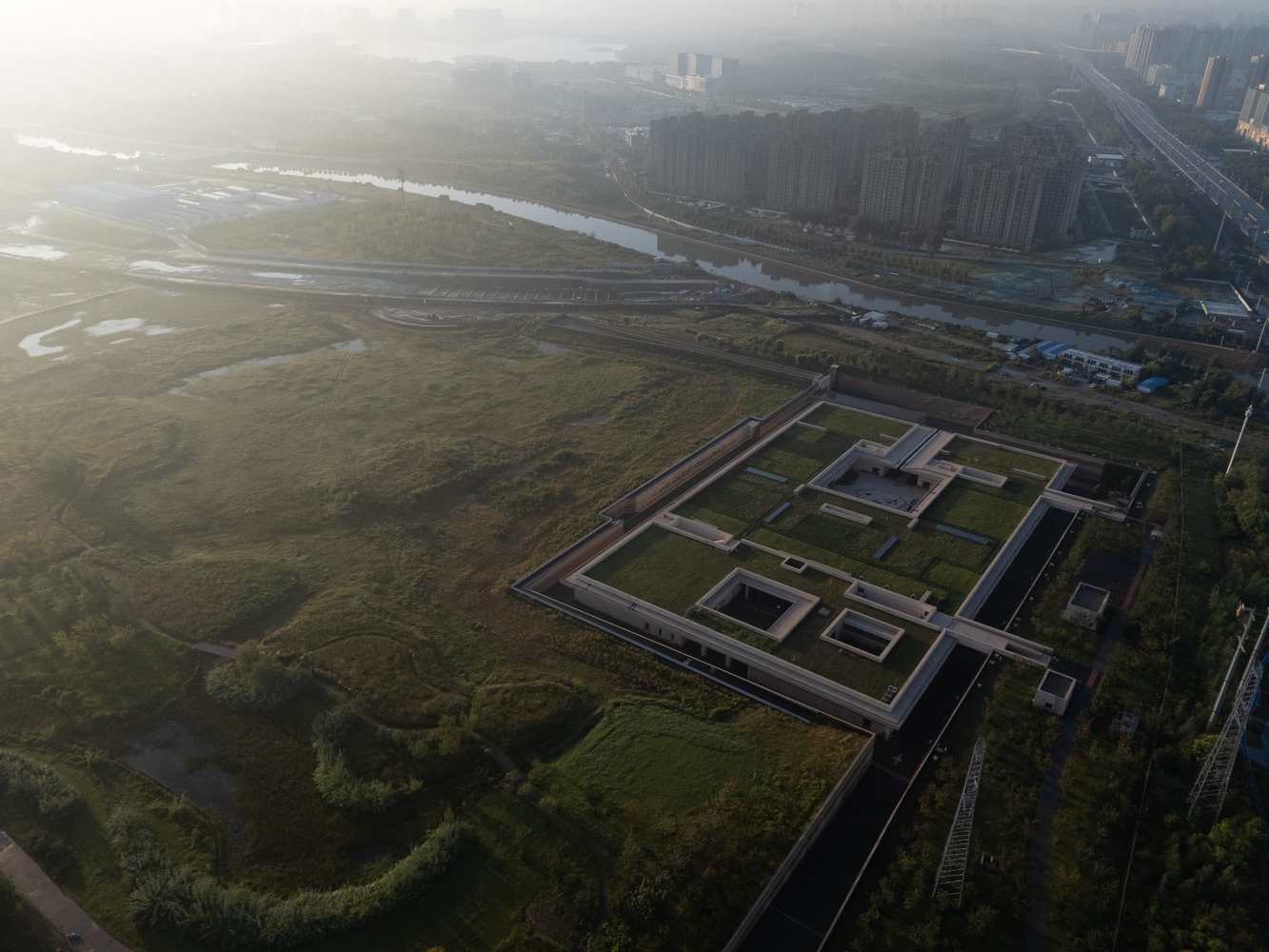
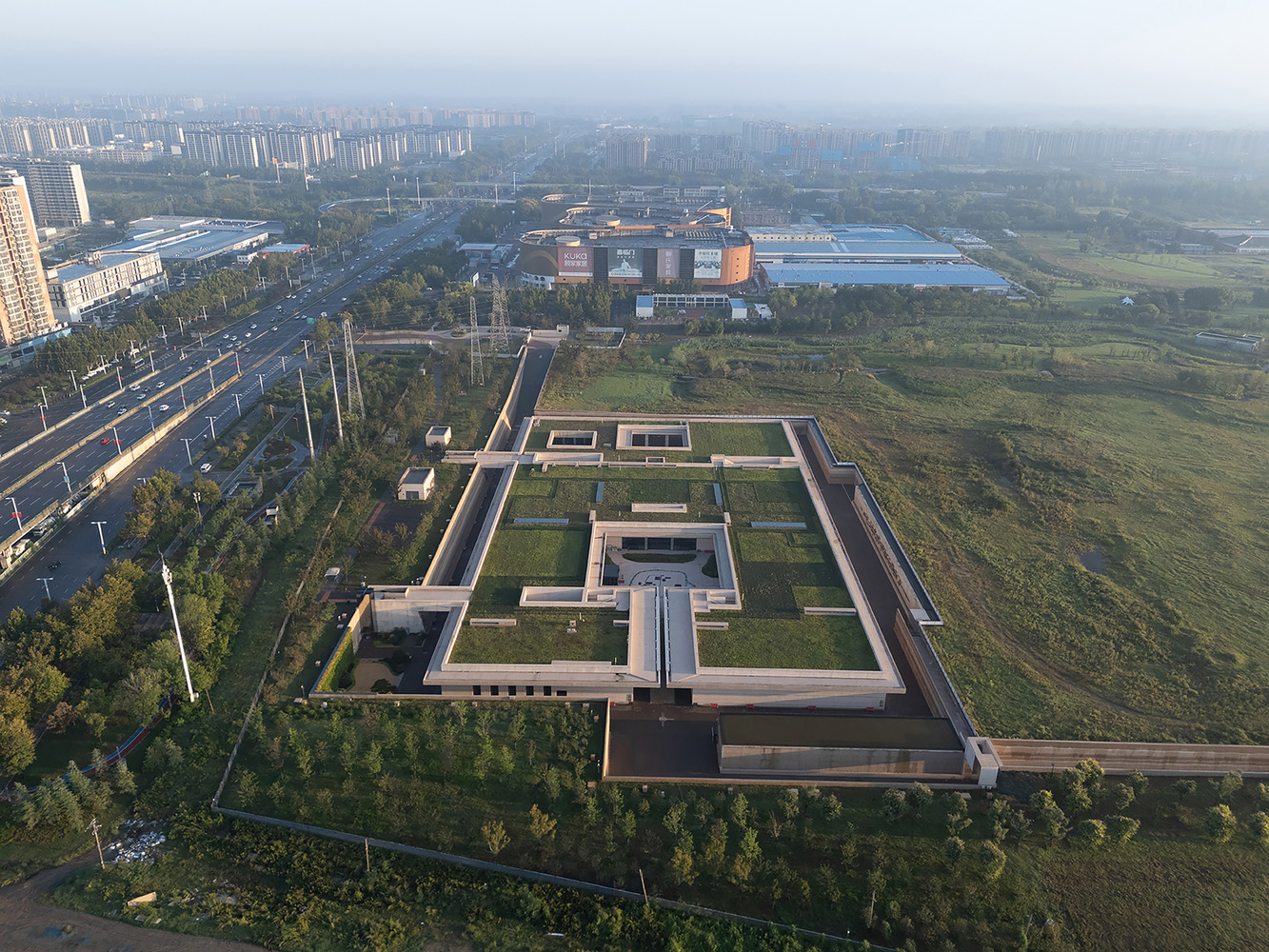
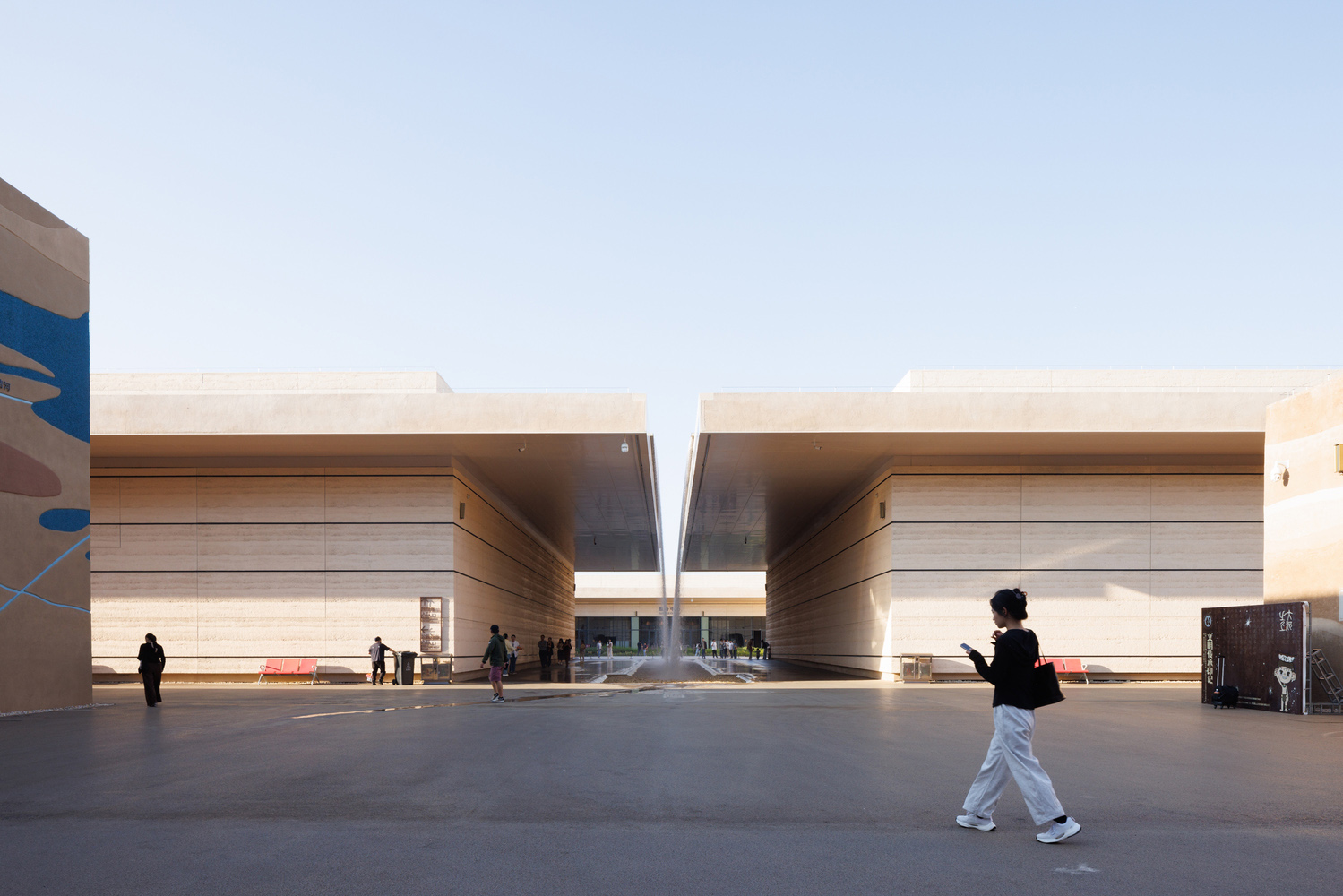
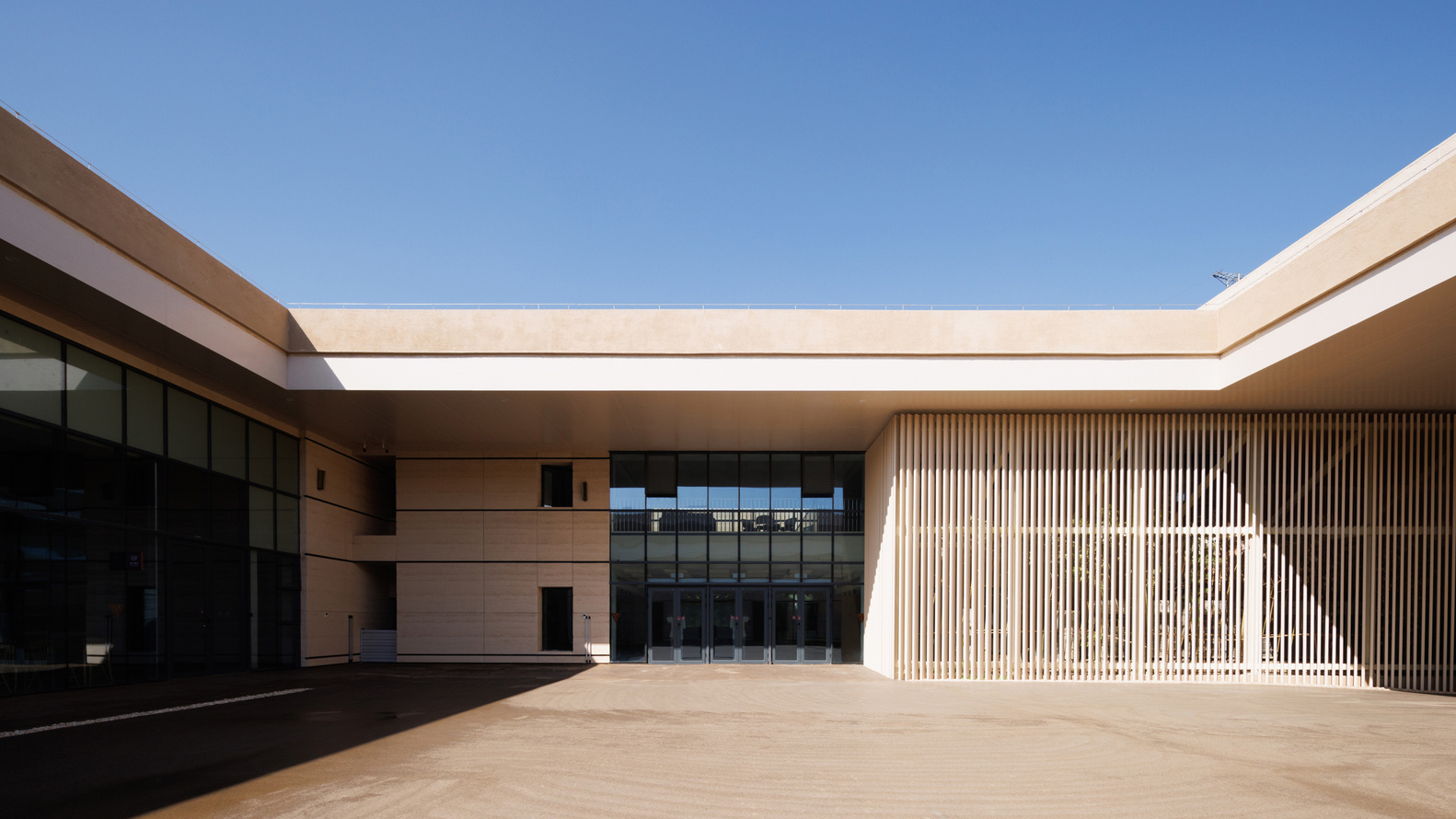
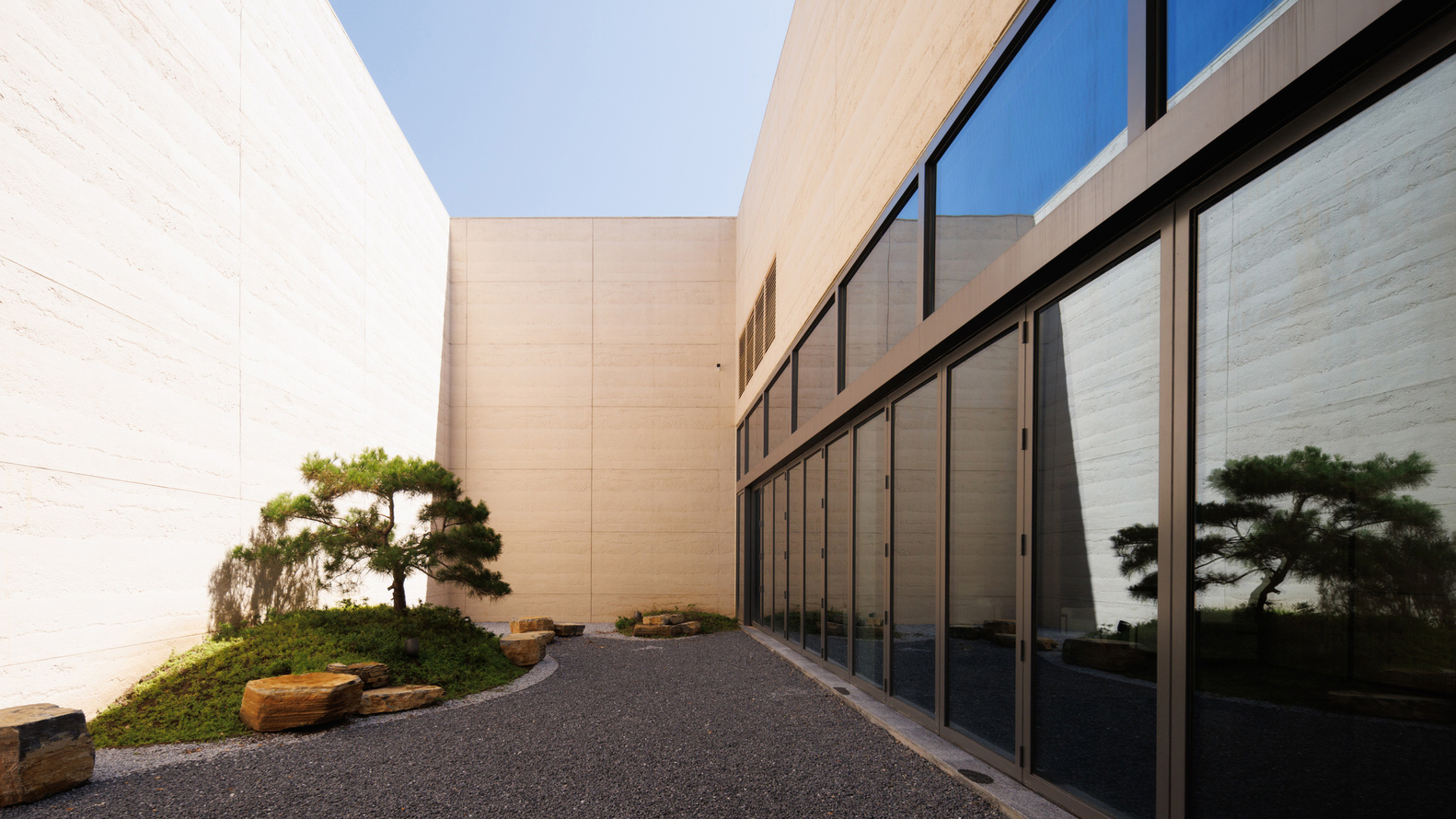
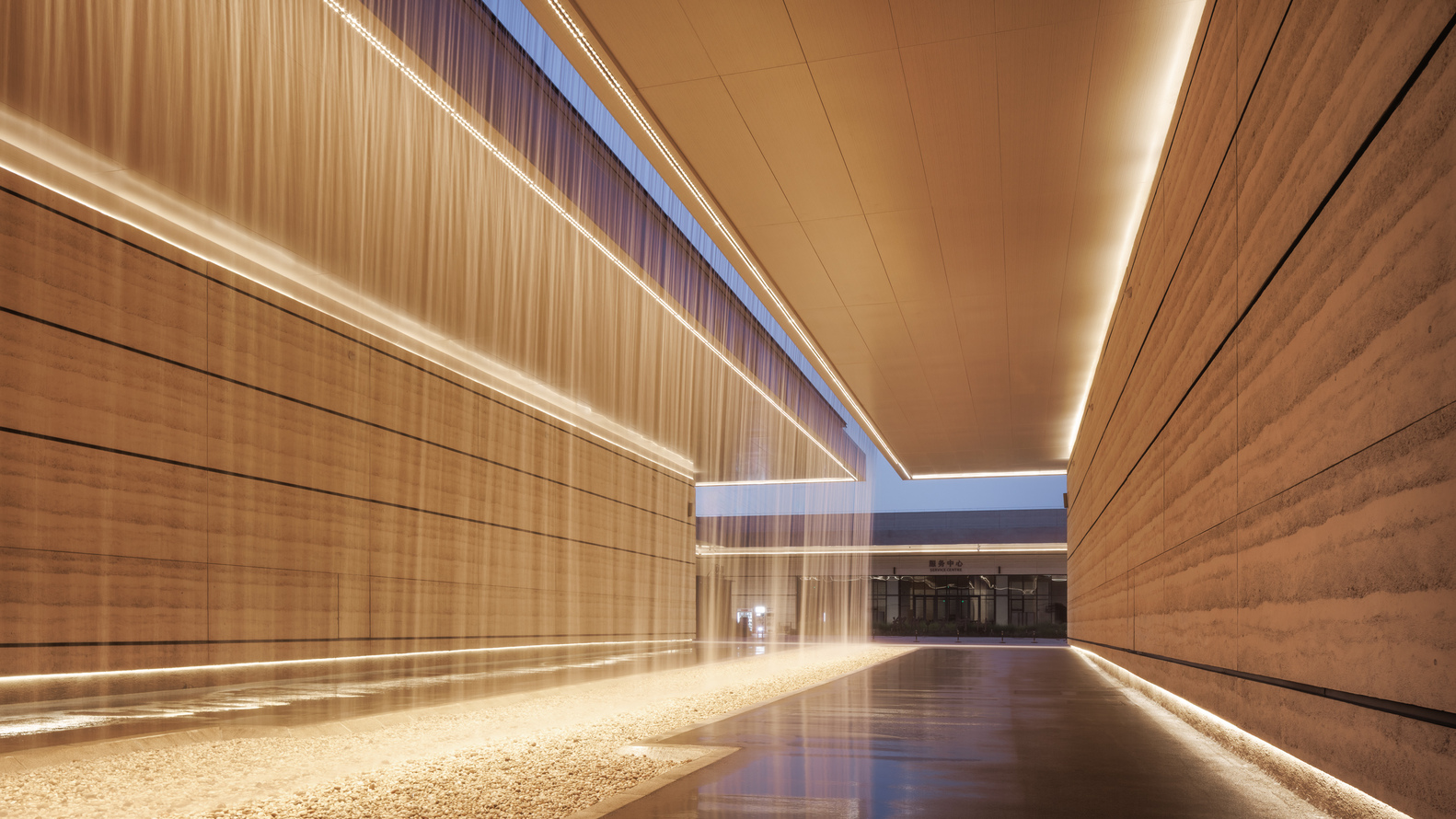
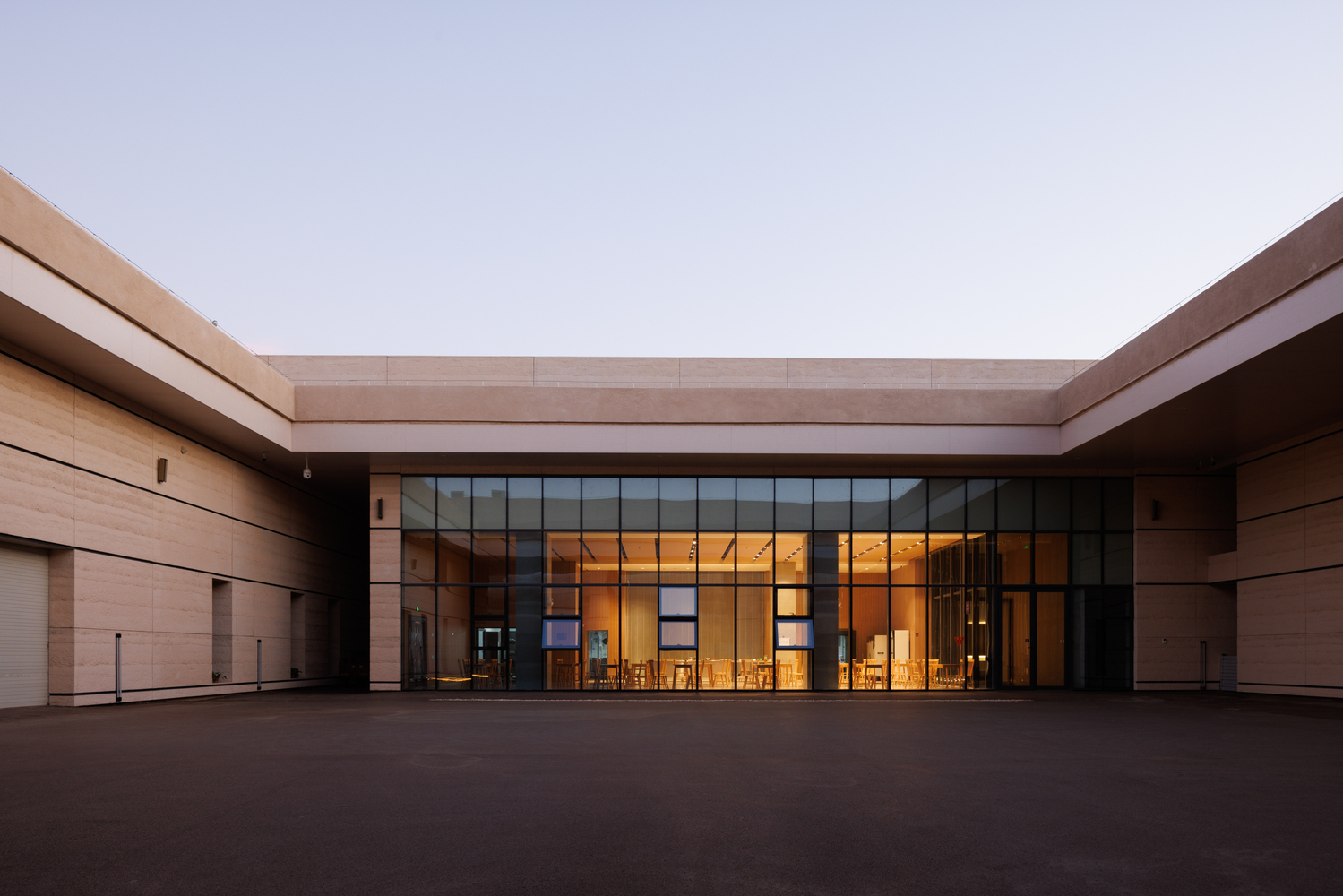
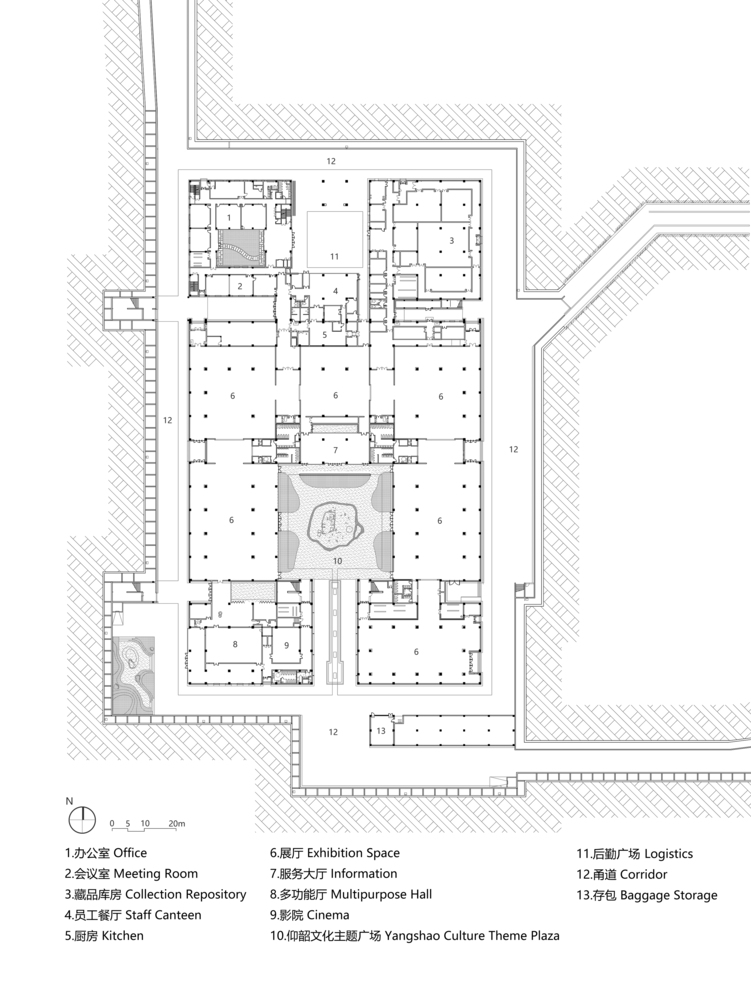
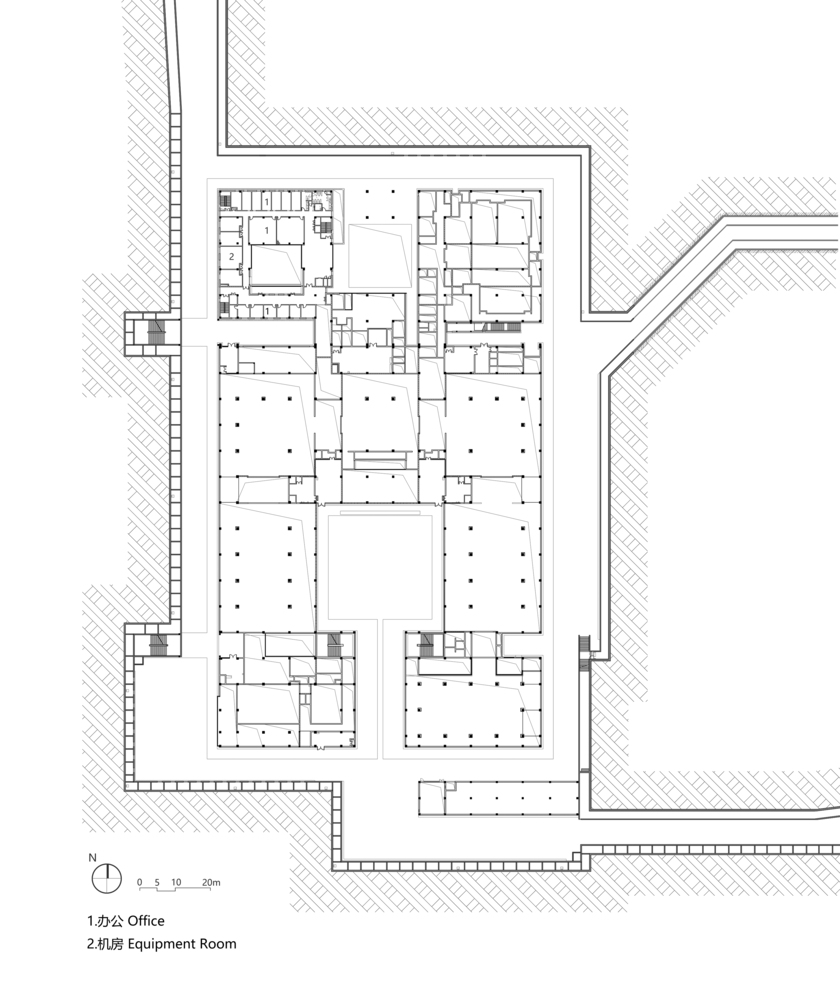
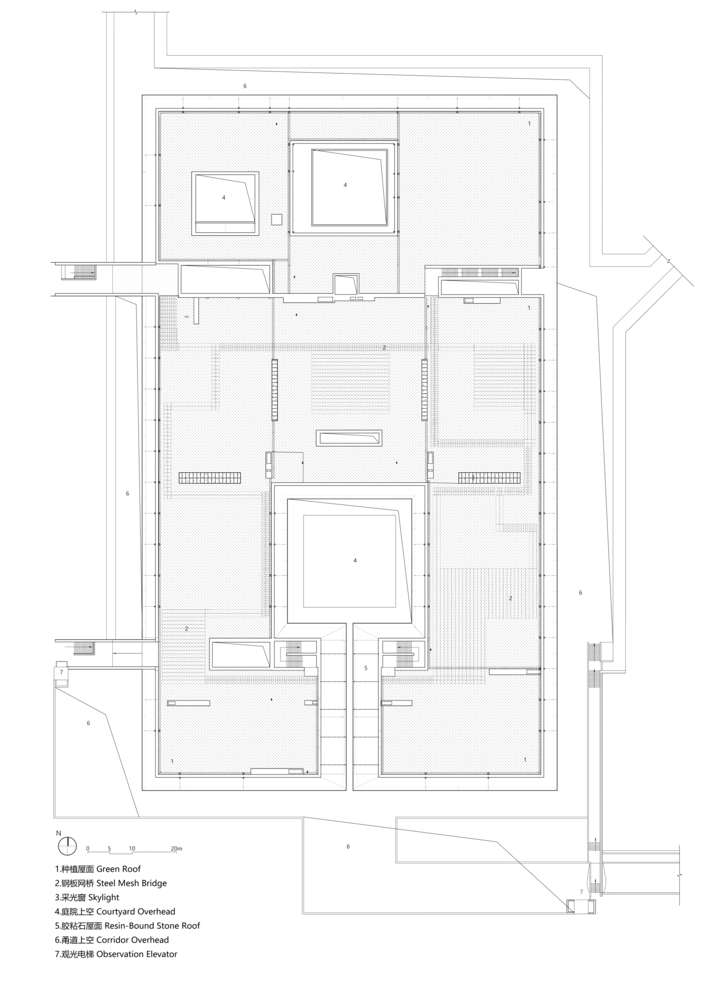
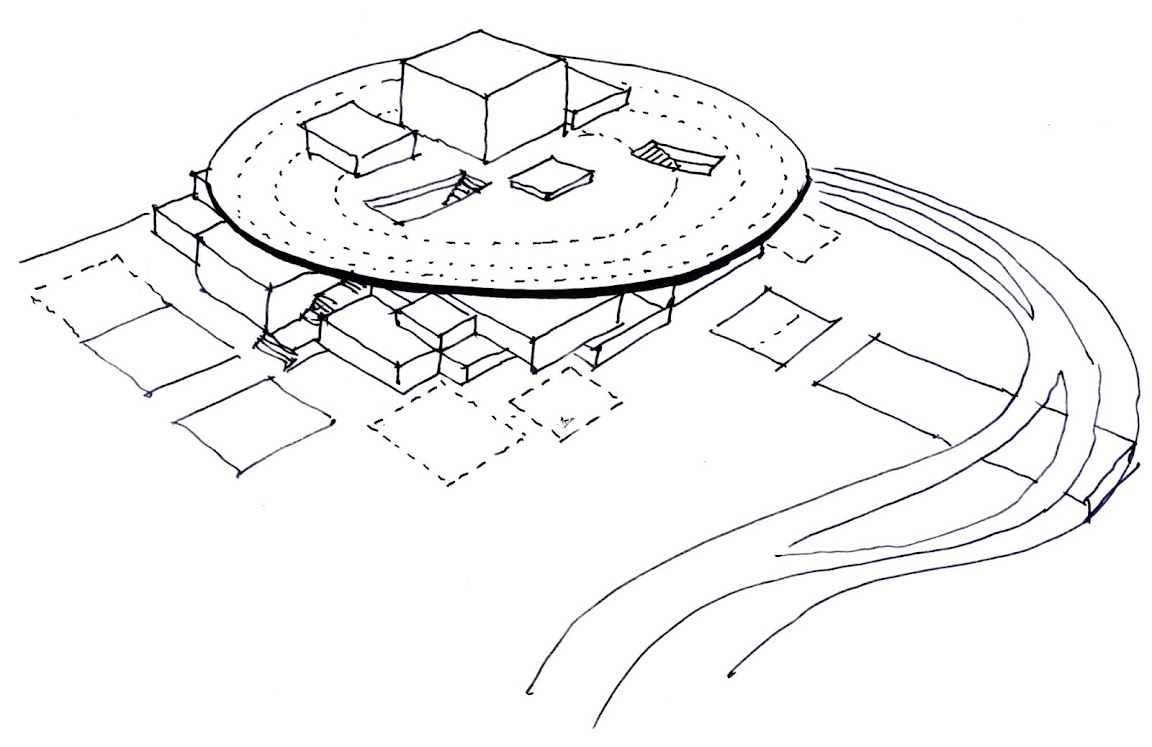
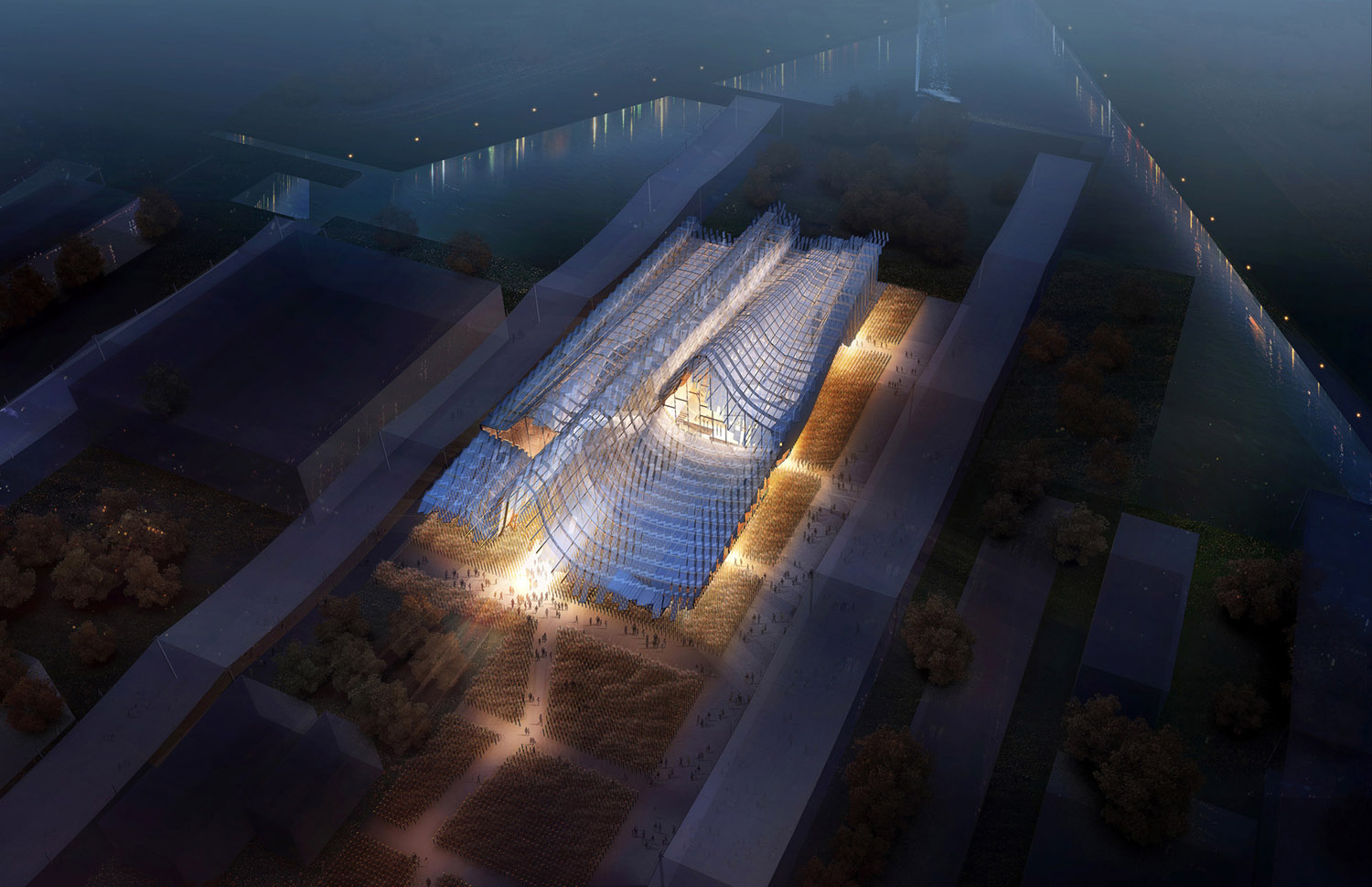
1. Project Overview - The Dahecun Site, which has lain dormant in the hinterland of the middle and lower reaches of the Yellow River for over 6,800 years, holds outstanding significance as a benchmark of Yangshao Culture in the core Central Plains region. The Dahecun Site Museum, a key component of the Dahecun National Archaeological Park, is China's first venue to present a comprehensive display of Yangshao Culture. With a floor area of 20,000 m², it is also the largest fully sunken archaeological site museum in the country. Through its sunken design, the building steps back from the archaeological remains and dissolves its own mass, allowing natural processes to reshape the land.
2. Challenges - The project confronted three intertwined obstacles: (a) the extreme fragility of prehistoric deposits, which prohibited large scale surface construction; (b) the site's former use as a landfill, necessitating complete soil replacement with prohibitive cost and schedule implications; and (c) severe ecological degradation, marked by loss of native species and diminished stormwater capacity.
3. Strategies - •Massing & Earthwork Savings – The sunken footprint is excavated to the same depth as contaminated soil replacement, eliminating backfill. This saved 40,000 m³ of earthwork, over 65 million RMB, and more than two months of construction time.
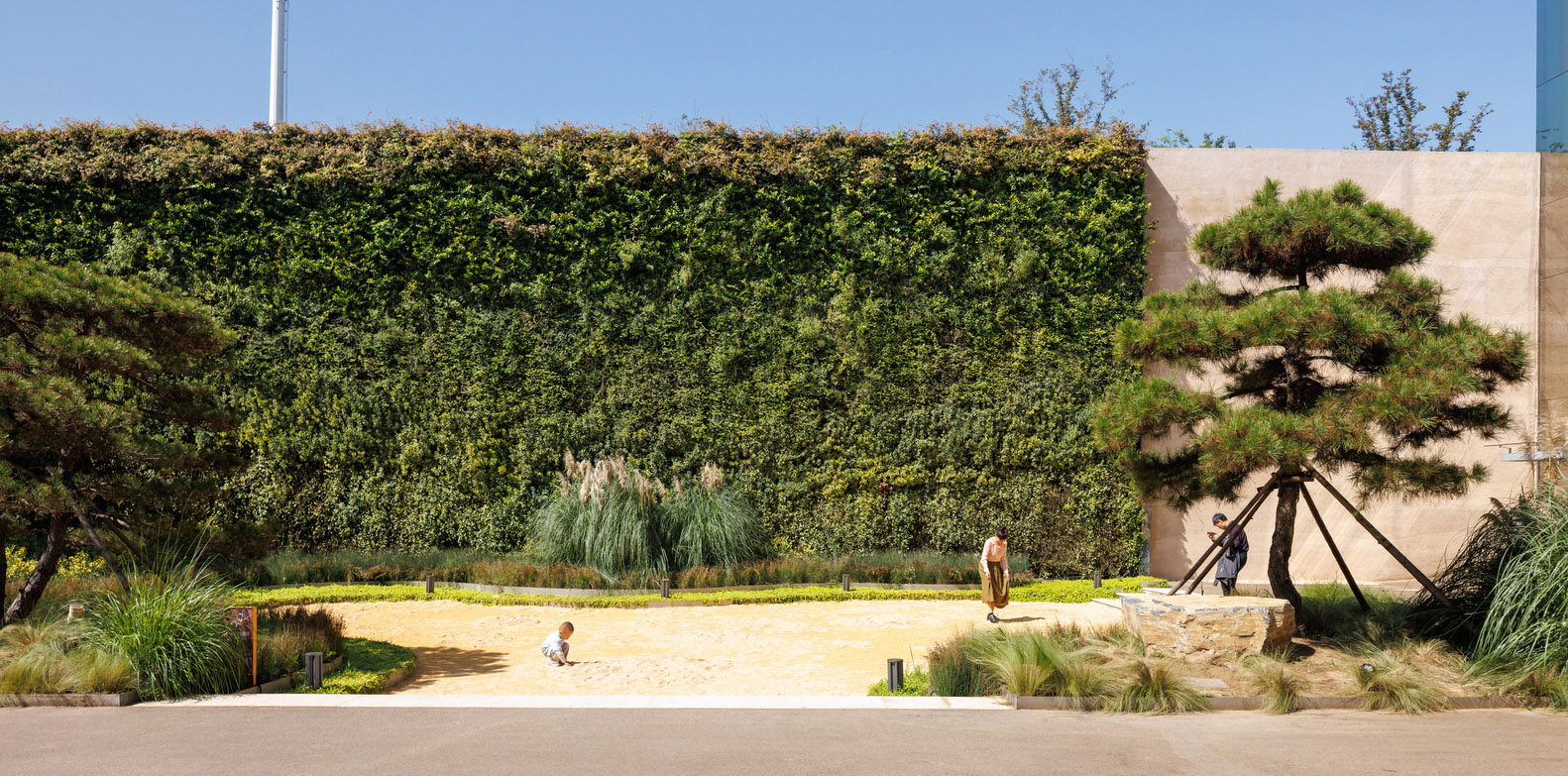
•Ecological Restoration & Biodiversity – A green roof merges the building with the park landscape. Based on historical data, 90 hectares were restored to a "wild" state, including 12 hectares of wetlands. Biodiversity-friendly design and controlled low-illuminance lighting have enabled the return of 126 bird species, with sightings of other small animals also reported.
•Passive Environmental Performance – Wind and thermal simulations guided the design: winter pedestrian level wind speeds stay below 5 m/s, and over 50% of operable surfaces achieve effective natural ventilation. The sunken courtyards, green roof, and wetlands moderate microclimate, yielding a 13–14°C indoor outdoor temperature differential without mechanical cooling and a 1.2 m/s courtyard breeze under calm conditions. Anti condensation detailing prevents moisture issues in winter.
•Climate Resilience – In response to the catastrophic "7.20" rainstorm of 2021, a comprehensive flood protection system was developed for sunken spaces, integrating patented dual drainage, retaining walls, and artifact repository barriers. The system has since withstood heavy rainfall and extreme heat.
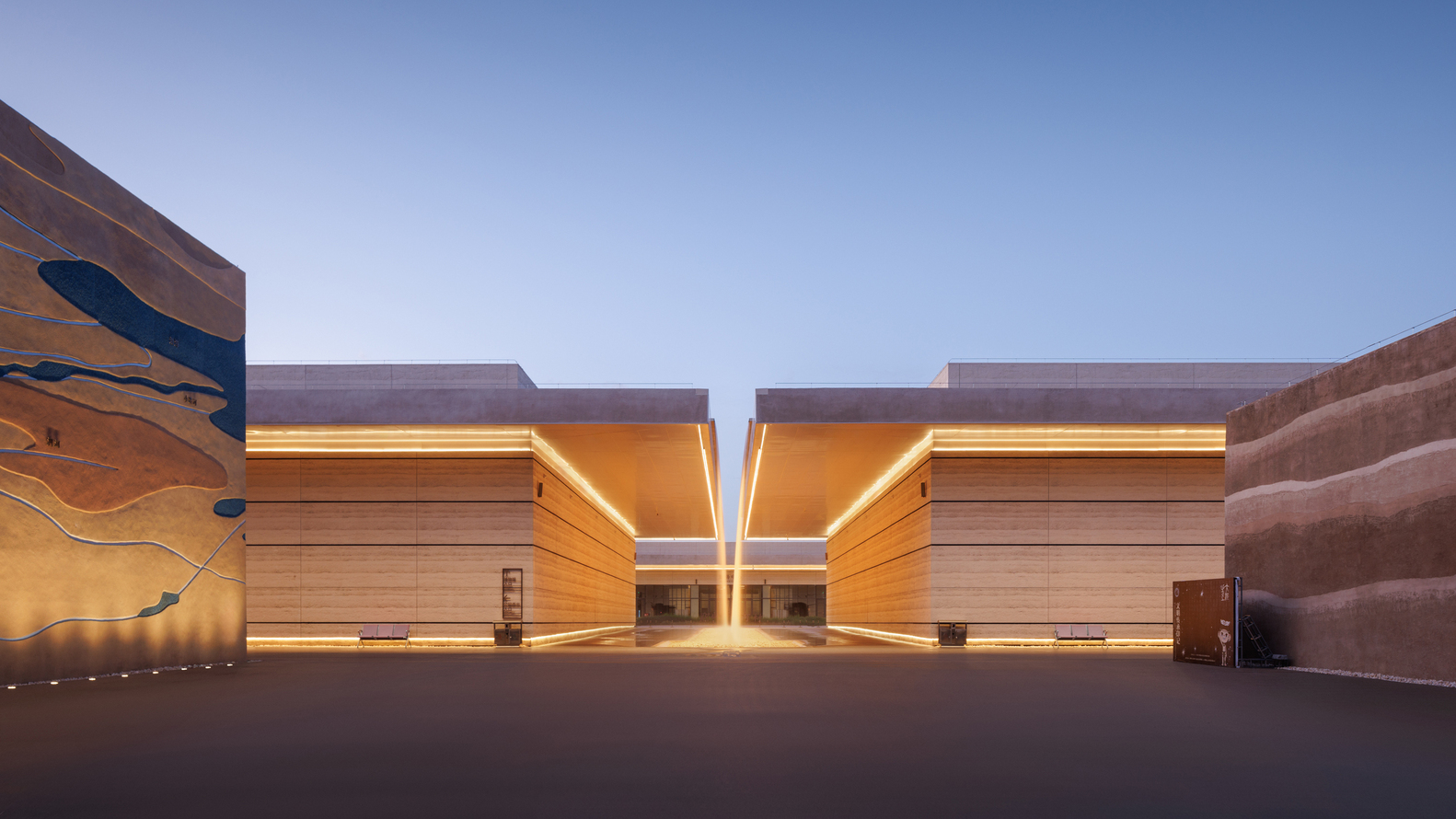
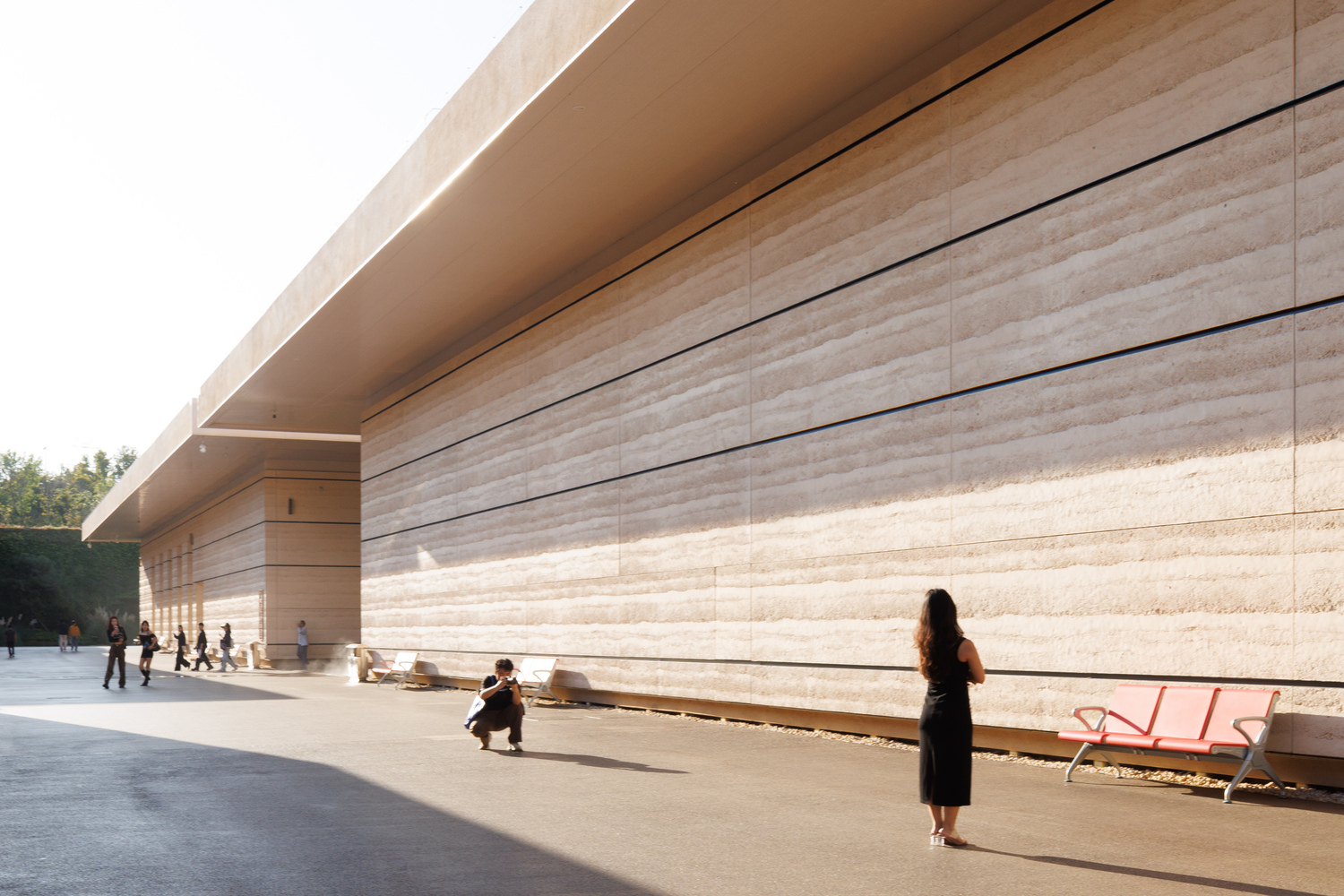
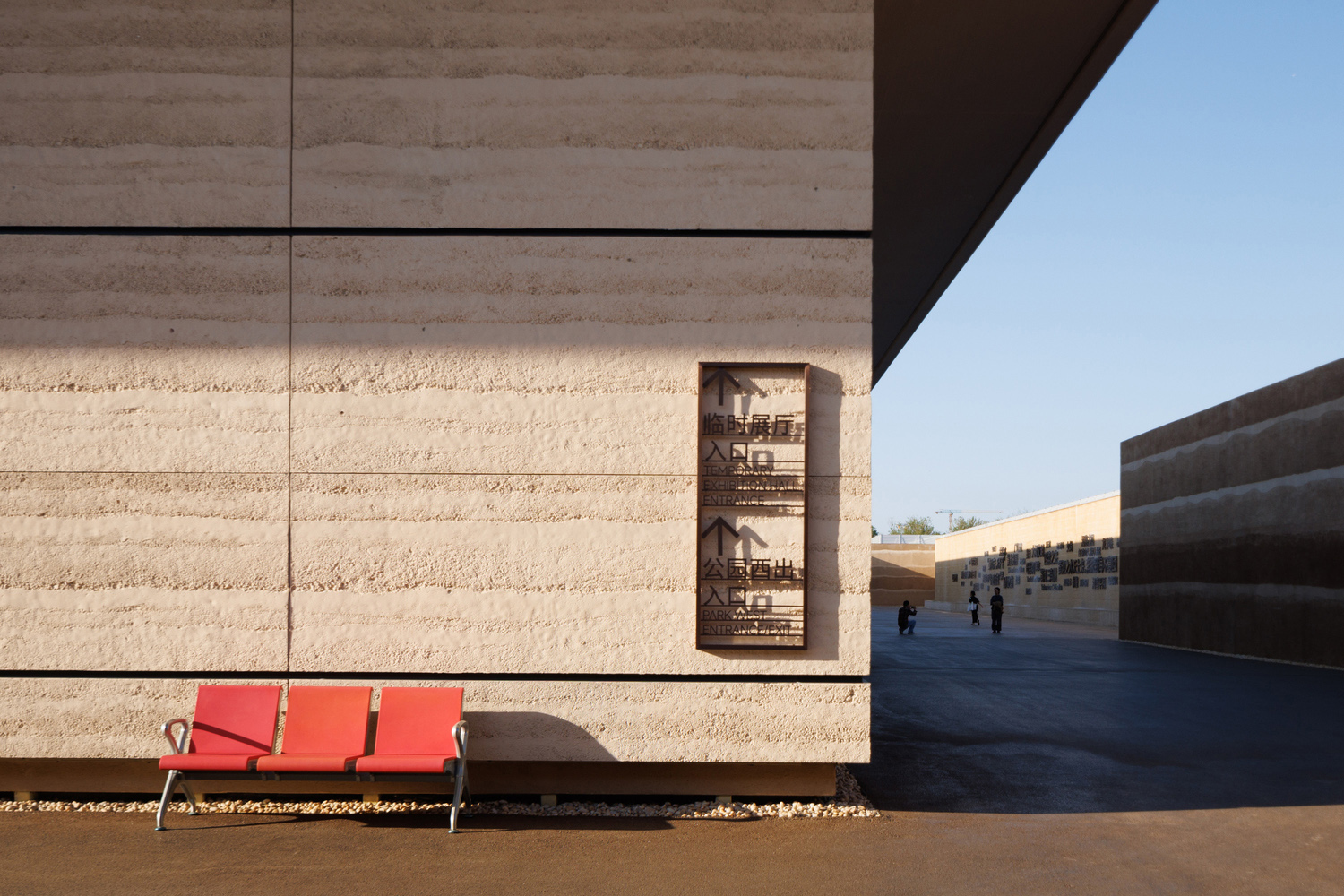
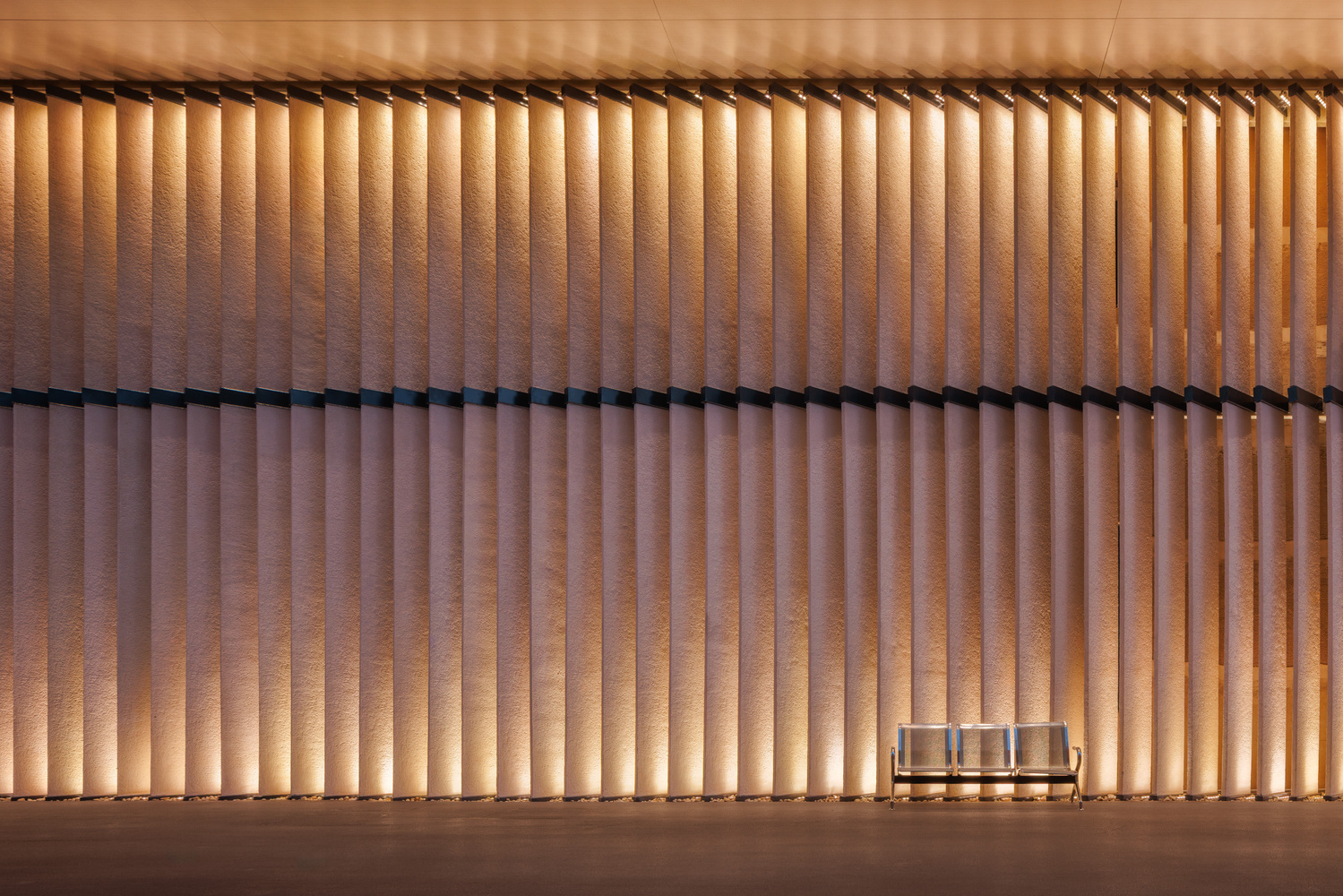
•Innovative Envelope Technology – A patented rammed earth effect façade panel (max size 4.2 m × 2.1 m) was developed, minimizing joints, improving insulation and airtightness, and accelerating on site assembly—securing one international patent.
•Ecological Restoration & Biodiversity – A green roof merges the building with the park landscape. Based on historical data, 90 hectares were restored to a "wild" state, including 12 hectares of wetlands. Biodiversity-friendly design and controlled low-illuminance lighting have enabled the return of 126 bird species, with sightings of other small animals also reported.
•Passive Environmental Performance – Wind and thermal simulations guided the design: winter pedestrian level wind speeds stay below 5 m/s, and over 50% of operable surfaces achieve effective natural ventilation. The sunken courtyards, green roof, and wetlands moderate microclimate, yielding a 13–14°C indoor outdoor temperature differential without mechanical cooling and a 1.2 m/s courtyard breeze under calm conditions. Anti condensation detailing prevents moisture issues in winter.
•Climate Resilience – In response to the catastrophic "7.20" rainstorm of 2021, a comprehensive flood protection system was developed for sunken spaces, integrating patented dual drainage, retaining walls, and artifact repository barriers. The system has since withstood heavy rainfall and extreme heat.
•Innovative Envelope Technology – A patented rammed earth effect façade panel (max size 4.2 m × 2.1 m) was developed, minimizing joints, improving insulation and airtightness, and accelerating on site assembly—securing one international patent.
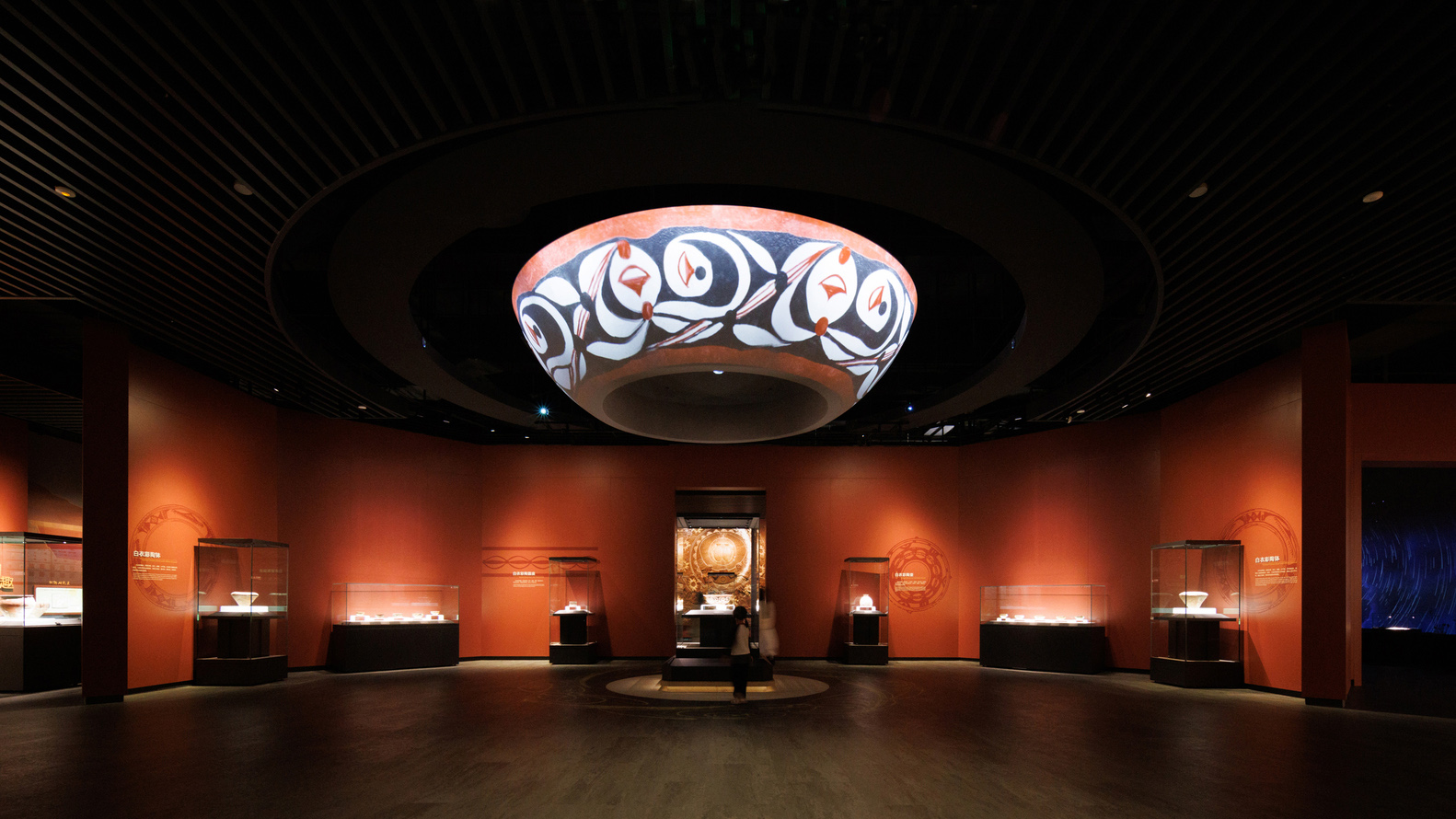
4. The Earth Settles; The Birds Return. - Since its opening, the museum has garnered acclaim for its immersive exhibits. Yet its most profound achievement lies beyond the exhibitions: the return of bird calls beneath the eaves and the resurgence of wilderness above millennia old foundations. When humanity learns to step back, life finds its way home—fulfilling the museum's dual mission of cultural preservation and ecological renewal.
Source: ADG
m i l i m e t d e s i g n – w h e r e t h e c o n v e r g e n c e o f u n i q u e c r e a t i v e s










Since 2009. Copyright © 2026 milimetdesign. All rights reserved. Contact: milimetdesign@milimet.com